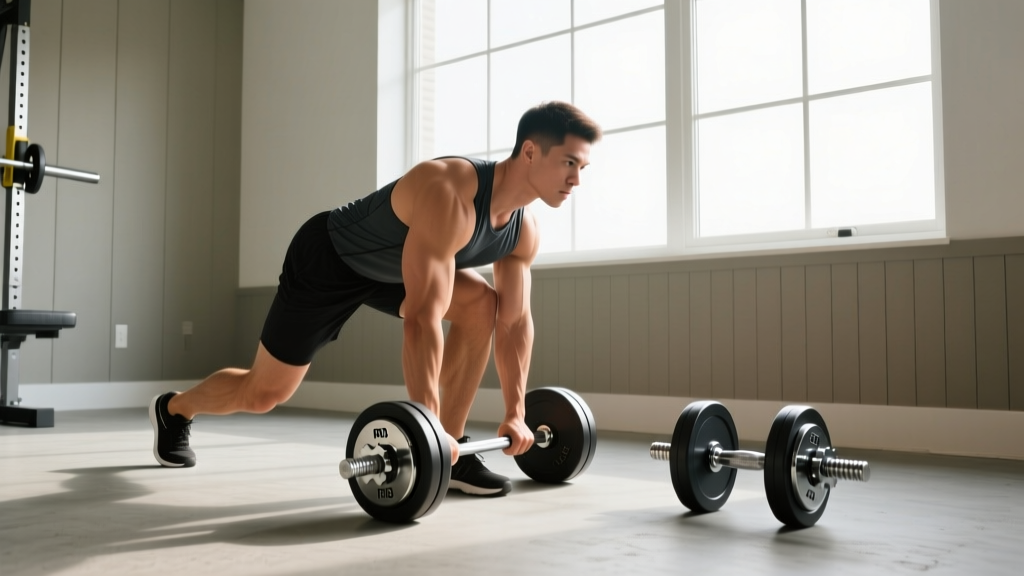
RDL with Dumbbells: Form Mistakes & Adjustable Gear Guide
Master the RDL with dumbbells. We troubleshoot common form mistakes, analyze how adjustable dumbbells affect your hinge, and review the best models.

The Biomechanics of the RDL with Dumbbells: Why Gear Matters
The Romanian Deadlift (RDL) is a foundational hip hinge movement designed to target the hamstrings, glutes, and erector spinae through stretch-mediated hypertrophy. While barbells are often the default choice for heavy loading, performing an RDL with dumbbells offers distinct advantages: it allows for a greater range of motion (ROM), reduces lower back shear force, and corrects bilateral strength imbalances. However, transitioning to dumbbells—specifically adjustable dumbbells—introduces a unique set of mechanical and ergonomic variables that can sabotage your form.
Unlike fixed hex or urethane dumbbells, adjustable models possess varied handle lengths, bulky weight blocks, and fragile internal selector mechanisms. According to the EXRX Hip Hinge Concepts database, maintaining a neutral spine while keeping the load close to your center of gravity is paramount for injury prevention. When your equipment physically prevents you from keeping the weight close to your body, your biomechanics break down. This guide troubleshoots the most common RDL mistakes exacerbated by adjustable gear and reviews the top 2026 adjustable dumbbell models to find the ultimate tool for your hinge.
4 Common RDL Mistakes (And How Adjustable Dumbbells Exacerbate Them)
1. The Patella Smash (Shaving the Legs)
The Mistake: Allowing the dumbbells to drift away from the body during the eccentric (lowering) phase, or conversely, keeping them so close that they scrape the knees and thighs.
The Adjustable Gear Factor: Many popular adjustable dumbbells, such as the Bowflex SelectTech 552, measure 15.75 inches in total length. When you push your hips back into a deep hinge, a 15-inch block of plastic and steel will inevitably collide with your patella or anterior thigh. This forces lifters to either flare the weights outward (losing lat engagement) or round their upper back to create clearance.
The Fix: Widen your stance by 2 to 3 inches per side to create a 'track' for the dumbbells. If your adjustable dumbbells exceed 14 inches in length, consider a sumo-stance RDL or switch to a compact adjustable model.
2. Lumbar Flexion at the Bottom
The Mistake: Rounding the lower back at the bottom of the movement in an attempt to touch the dumbbells to the floor.
The Adjustable Gear Factor: Adjustable dumbbells have a larger physical footprint than fixed pro-style dumbbells. The bulky selector dials or weight cages often strike the floor before your hamstrings reach their end-range stretch. Lifters, feeling they haven't gone 'low enough,' compensate by flexing the lumbar spine.
The Fix: The RDL is dictated by hip mechanics, not floor contact. Stop your descent the exact moment your hips stop translating backward (usually mid-shin). To increase ROM without hitting the floor, stand on a 45-pound bumper plate or a 2-inch wooden deficit block.
3. Grip Fatigue and Wrist Extension Limits
The Mistake: Losing grip strength before the hamstrings reach failure, or excessively extending the wrists to hold the weight.
The Adjustable Gear Factor: Models like the PowerBlock Elite EXP feature a 'caged' or blocky urethane design that restricts natural wrist extension and limits the ability to wrap the thumb for a secure hook grip. Furthermore, some adjustable handles lack adequate knurling, turning a heavy 80-pound RDL set into a forearm endurance test rather than a posterior chain workout.
⚠️ CRITICAL WARNING: Dropping Adjustable DumbbellsA common habit in heavy RDLs is touching the floor and releasing the grip. Never drop adjustable dumbbells unless explicitly warranted. Dropping a dial-based or pin-selector dumbbell will shatter the internal housing or shear the selector pins, resulting in $100-$150 replacement parts and voided warranties. Always maintain control and place them gently on the floor or a thick crash mat.
Adjustable Dumbbell Comparison Matrix for Hinge Movements
Not all adjustable dumbbells are created equal. Below is a 2026 comparison matrix focusing strictly on the variables that matter for the RDL: handle ergonomics, physical footprint, and drop durability.
| Model | Total Length | Handle Type | Drop Tolerance | 2026 Price (Pair) |
|---|---|---|---|---|
| Nuobell 80 LB | 14.5" (Variable) | Knurled Steel (5.9") | Low (Fragile Pins) | $429 |
| Ironmaster V2 | 11.0" (Compact) | Knurled Steel (6.5") | High (Indestructible) | $759 |
| Bowflex 552 | 15.75" (Fixed) | Smooth Plastic/Metal | None (Dials Break) | $399 |
| PowerBlock EXP | 12.0" (Block) | Caged Urethane | Medium | $369 |
Deep Dive: Top Adjustable Models Reviewed for RDLs
Nuobell 80 LB: The RDL Specialist
The Nuobell 80 is widely considered the closest adjustable dumbbell to a traditional fixed commercial dumbbell. For the RDL, its primary advantage is the traditional knurled steel handle and the twist-lock mechanism that leaves the handle entirely unobstructed. Because the weight plates stack tightly against the handle, the center of mass remains close to your grip, reducing the torque on your wrists during heavy eccentrics. Drawback: The internal selector pins are vulnerable. If you fatigue at the bottom of an RDL and drop them from a height greater than 6 inches, you risk snapping the pin.
Ironmaster Quick-Lock V2: The Indestructible Option
If your RDLs involve heavy loads (50+ lbs per hand) and you tend to set the weights down aggressively at the bottom of the movement, the Ironmaster Quick-Lock V2 is the only logical choice. Built from solid steel with a screw-in locking mechanism, these dumbbells are virtually indestructible. Their compact 11-inch footprint means they will rarely catch on your thighs during the hinge. Drawback: Adjusting the weight takes 15-20 seconds per dumbbell, making drop-sets or rapid weight changes during a superset frustrating.
Bowflex SelectTech 552: The Budget/Space Saver with Caveats
The Bowflex 552 remains a home-gym staple due to its rapid dial-adjustment and accessible $399 price point. However, for the RDL, it is the most problematic option on the market. The 15.75-inch fixed length means the dumbbell does not shrink as you lower the weight. Performing an RDL with the 552s requires significant spatial awareness to avoid banging the plastic housings against your knees. Furthermore, the smooth handle lacks aggressive knurling, forcing lifters to rely heavily on chalk or lifting straps to maintain a secure grip.
Troubleshooting Your Setup: A Step-by-Step Fix
If your hamstring activation is low or your lower back is aching after RDL sessions, run through this diagnostic checklist:
- Check Your Stance Width: Stand upright holding the dumbbells. Note where the inner edges of the weights rest against your legs. Step your feet out so they are directly under the weights. This prevents the 'patella smash' during the hinge.
- Engage the Lats Early: Before unhinging, pull the dumbbells slightly into your outer thighs and depress your shoulder blades. Imagine trying to crush an apple in your armpit. This locks the weights to your center of gravity.
- Use a Hook Grip or Straps: If using adjustable dumbbells with short handles (like the Nuobell), wrap your thumb over your index finger (hook grip). If grip is the limiting factor, use figure-8 lifting straps to bypass forearm fatigue and isolate the hamstrings.
- Implement a Deficit: Stand on a 1.5 to 2-inch elevated platform. This allows you to achieve a deep hamstring stretch without the bulky adjustable weight blocks hitting the floor prematurely, preserving your lumbar spine.
"The RDL is an exercise in spatial awareness. The moment the load dictates your joint angles—rather than your muscles dictating the load's path—you have lost the mechanical advantage of the hinge."
Expert Verdict: Matching Your Gear to Your Hinge
Executing a flawless RDL with dumbbells requires a synergy between proper biomechanics and appropriate equipment. If you are prioritizing hypertrophy, strict form, and a natural grip, the Nuobell 80 offers the best ergonomic profile, provided you respect its fragile selector mechanism. If you train heavy, train alone, and need equipment that can survive being set down hard on rubber mats, the Ironmaster Quick-Lock V2 is an unparalleled investment. Avoid using elongated dial-adjustable dumbbells for heavy hinges unless you have the mobility and stance width to accommodate their footprint. By aligning your gear with the biomechanical demands of the hip hinge, you will unlock unprecedented posterior chain development while keeping your spine safe.
More gear to consider
All reviews
Rack Storage & Care for the Incline Dumbbell Bench Press Exercise

Pepins Dumbbell Upgrade: Olympic Barbell Weight & Knurling Mistakes

Bumper vs Iron Plates: Budgeting & Lying Dumbbell Lateral Raise

Olympic vs Standard Plates for the One Arm Dumbbell Shoulder Press
Dumbbell Jump Squats & Rack Care: Storage Tips for Longevity
