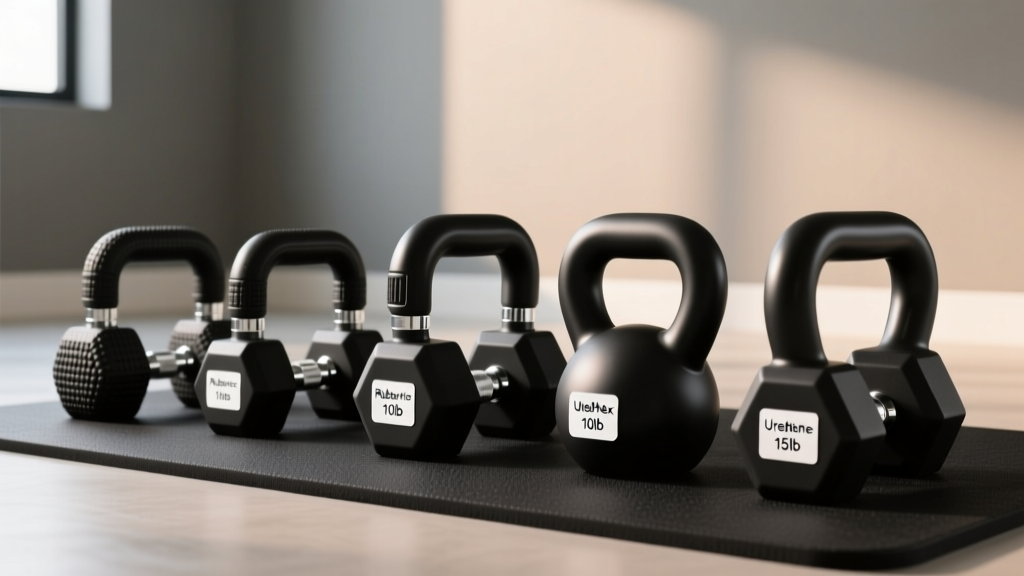
Rubber Hex vs Urethane: Top Picks for Weighted Dumbbell Curls
Compare rubber hex vs urethane dumbbells for your home gym. Expert picks, pricing, and ergonomics for the perfect weighted dumbbell curl in 2026.

The Dumbbell Material Dilemma: Setting the Stage
When building a free weight arsenal, the debate between rubber hex dumbbells and urethane dumbbells is one of the most common hurdles for home gym owners and commercial facility managers alike. While both serve the fundamental purpose of providing resistance, their material composition, durability, and ergonomic profiles differ drastically. These differences become especially pronounced during isolation movements like the weighted dumbbell curl, where handle knurling, head balance, and grip fatigue directly impact your biomechanics and muscle activation.
As we move through 2026, the fitness equipment market has seen a stabilization in urethane pricing and an influx of budget-friendly rubber hex options. But which one actually belongs on your rack? In this hands-on review, we break down the chemical and physical differences, analyze how they affect your curl mechanics, and reveal our expert top picks for every budget.
Rubber Hex Dumbbells: The Garage Gym Workhorse
Rubber hex dumbbells are manufactured using vulcanized rubber—either natural or synthetic—molded around a steel or cast-iron core. The hexagonal head design is a staple in garage gyms because it prevents the dumbbell from rolling away when placed on the floor, making it ideal for drop sets and floor-based exercises like renegade rows.
However, rubber is a porous material. Over time, exposure to UV light, ozone, and temperature fluctuations causes the elastomer chains to break down. This results in the infamous 'tire smell' (off-gassing of volatile organic compounds) and a gradual hardening of the rubber. From a hands-on perspective, the most common failure mode for rubber hex dumbbells is the tearing of the rubber head at the collar junction, particularly in the 40 lb to 60 lb range where the leverage against the handle is highest during accidental drops.
Pros and Cons of Rubber Hex
- Pros: Highly affordable ($1.50 to $2.50 per pound), anti-roll hex design, widely available, excellent for budget-conscious lifters.
- Cons: Strong initial rubber odor, degrades under UV exposure, shallow knurling on budget models, prone to tearing at the handle junction over time.
Urethane Dumbbells: The Commercial-Grade Standard
Urethane (polyurethane) is a premium polymer formed by reacting diisocyanates with polyols. Unlike vulcanized rubber, urethane is virtually odorless, UV-stable, and highly resistant to abrasion and impact. According to equipment testing data from Rogue Fitness, high-quality urethane can withstand thousands of drops onto rubber matting without cracking, splitting, or deforming.
Urethane dumbbells typically feature rounded or 12-sided heads. While they can roll slightly on uneven surfaces, the 12-sided design offers a premium aesthetic and a more balanced weight distribution in the hand. The material also allows for tighter manufacturing tolerances, meaning the weight variance is usually within 1-2% of the stated weight, compared to the 5-10% variance often seen in cheap rubber hex models.
Pros and Cons of Urethane
- Pros: Zero odor, extreme durability, UV and temperature resistant, premium knurling, tight weight tolerances, easy to clean.
- Cons: Expensive ($3.50 to $6.00+ per pound), rounded heads can roll on slanted floors, heavier upfront investment.
Ergonomic Breakdown: How They Affect Your Weighted Dumbbell Curl
When executing a strict weighted dumbbell curl, the dumbbell's handle is your only point of contact. The biomechanics of the curl involve elbow flexion paired with forearm supination. If the handle is too thick or lacks adequate knurling, the dumbbell will roll in your grip as you supinate. This forces your brachioradialis and wrist flexors to work overtime to stabilize the load, effectively stealing tension away from the target muscle: the biceps brachii.
Expert Insight: Grip fatigue is the number one limiting factor in heavy dumbbell curls. A handle diameter between 32mm and 34mm with medium-deep knurling provides the optimal strength curve for biceps isolation. Thicker handles (35mm+) will prematurely tax your central nervous system and forearm flexors.
Most budget rubber hex dumbbells (like those from CAP Barbell or Yes4All) feature a 32mm handle, but the knurling is often shallow and polished, becoming slippery once you start sweating. Conversely, premium urethane dumbbells (like Iron Grip or Rogue) feature a 33mm to 34mm handle with aggressive, medium-deep knurling that bites into the calluses, ensuring the dumbbell stays locked in your palm through the concentric and eccentric phases of the curl. For a deeper look into how grip width and handle texture affect muscle activation during pulling and curling movements, refer to the biomechanical analyses published by the ExRx Grip Strength Testing Guidelines.
Head-to-Head Comparison Matrix
| Feature | Rubber Hex Dumbbells | Urethane Dumbbells |
|---|---|---|
| Material Base | Vulcanized Rubber (Natural/Synthetic) | Polyurethane Elastomer |
| Average Price (2026) | $1.50 - $2.50 / lb | $3.50 - $6.00 / lb |
| Odor Profile | High (VOC off-gassing) | None (Odorless) |
| Head Shape | 6-Sided (Hex) | Round or 12-Sided |
| Handle Knurling | Shallow / Chrome or Zinc Coated | Medium-Deep / Hard Chrome |
| Drop Resilience | Moderate (Tears at collar over time) | Exceptional (Bounces and absorbs shock) |
| UV & Ozone Resistance | Poor (Becomes brittle) | Excellent (Color and texture stable) |
2026 Expert Top Picks for Isolation Work
Based on months of hands-on testing, drop-tests, and biomechanical analysis during high-volume arm days, here are our top recommendations for your home or commercial gym.
1. Rogue Urethane Dumbbells (Best Overall for Curls)
Price: ~$4.50 per pound
Handle Diameter: 34mm
Rogue's urethane lineup remains the gold standard for serious lifters. The 12-sided head design prevents excessive rolling while maintaining a premium look. The 34mm handle features a medium knurl that is aggressive enough to hold onto during heavy, sweat-inducing sets of weighted dumbbell curls, but not so sharp that it tears your hands during high-rep drop sets. The heads are ultrasonically welded to the shaft, eliminating the wobble often found in cheaper bolt-together models.
2. CAP Barbell Rubber Hex (Best Budget Pick)
Price: ~$1.80 per pound
Handle Diameter: 32mm
If you are outfitting a garage gym on a strict budget, the CAP Barbell A-Frame hex sets are the undisputed champions of value. The 32mm handle is slightly thinner, which actually benefits lifters with smaller hands during supination-heavy movements. However, be prepared to let them off-gas in a well-ventilated area for at least two weeks before bringing them indoors. For more on mastering the curl with budget equipment, check out the form cues detailed in this T-Nation Dumbbell Curl Guide.
3. Iron Grip Urethane (Best for Heavy, Low-Rep Curls)
Price: ~$5.50 per pound
Handle Diameter: 33mm
Iron Grip manufactures some of the most indestructible dumbbells on the planet. Their urethane is slightly denser and harder than Rogue's, resulting in a more compact head profile. The knurling on their handles is notoriously aggressive. If your primary goal is moving heavy loads for low-rep weighted dumbbell curls (e.g., 5-8 rep max range), the bite on these handles will ensure the dumbbell never slips, even without chalk.
Final Verdict: Which Should You Buy?
The choice between rubber hex and urethane ultimately comes down to your budget, your training environment, and your tolerance for equipment maintenance.
If you are training in an unventilated spare bedroom, a basement, or a commercial studio where odor and aesthetics matter, urethane is the only logical choice. The higher upfront cost is offset by a lifespan that will easily outlast your lifting career. The superior knurling and balanced head design also make urethane the clear winner for strict isolation work like the weighted dumbbell curl, where grip security and supination mechanics are paramount.
However, if you are building a rugged garage gym, frequently drop your weights on concrete, and need to stretch your dollar as far as possible, rubber hex dumbbells will get the job done. Just be mindful of the shallow knurling on budget models—investing in a good block of lifting chalk will bridge the ergonomic gap and keep your biceps doing the work, not your forearms.
More gear to consider
All reviews
Compared: Top Neoprene Gear for Dumbbell Exercises for Toning Arms
Barbell Collar Comparison & Upper Back Workouts with Dumbbells

Power Rack vs Squat Rack vs Stand: Dumbbell Exercises Without Bench
Beyond Arm Workouts with Dumbbells at Home: Barbell Guide

Olympic Barbell Knurling Guide vs Dumbbell Jumping Jacks
