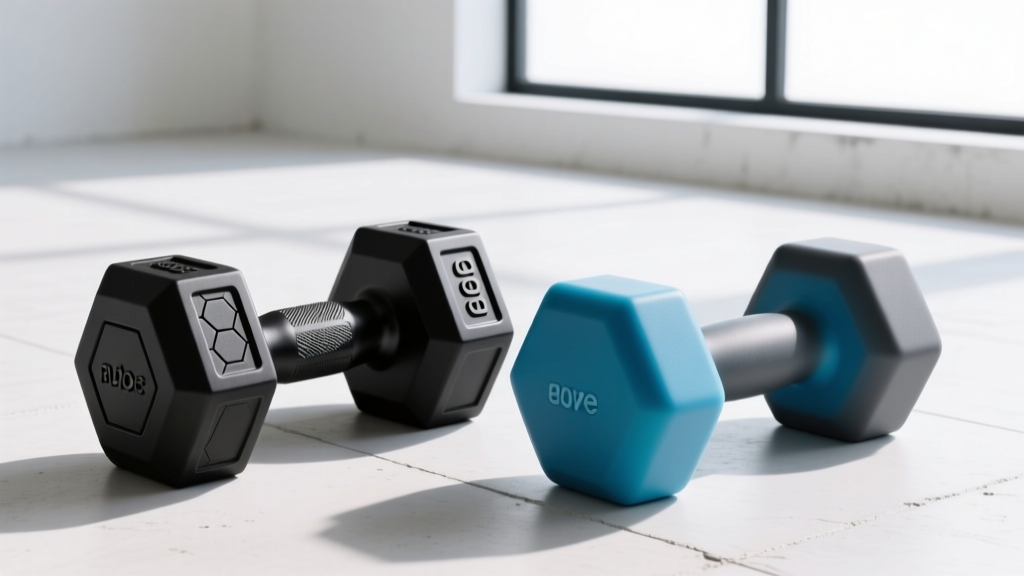
Rubber Hex vs Urethane: Training Triceps with Dumbbells (2026)
Discover 2026 market trends comparing rubber hex vs urethane dumbbells. Learn which material optimizes grip, durability, and performance for triceps with dumbbells.

The fitness equipment market in 2026 has reached a fascinating inflection point. While the post-2020 home gym boom initially caused a massive surge in cheap, imported rubber hex dumbbells, today's consumers and commercial gym owners are increasingly pivoting toward premium urethane alternatives. But how does this material shift impact specific training modalities? More importantly, when you are isolating the triceps with dumbbells, does the outer casing of the weight actually matter?
As a senior equipment analyst for FitGearPulse, I have spent the last decade testing hundreds of free weight variations. In this 2026 trend report and market analysis, we will dissect the rubber hex vs. urethane dumbbell debate, focusing heavily on material science, lifecycle costs, and the often-overlooked ergonomics required for optimal triceps hypertrophy.
The 2026 Dumbbell Market Landscape
According to recent fitness industry market analyses, the global free weights segment is projected to grow steadily through the late 2020s, driven by a consumer preference for space-efficient, high-durability home gym setups. While rubber hex dumbbells (typically manufactured from virgin or recycled vulcanized rubber) still dominate the entry-level and budget commercial tiers, urethane has captured the premium home and boutique studio market.
The shift is largely driven by longevity and indoor air quality. Budget rubber hex dumbbells are notorious for off-gassing volatile organic compounds (VOCs), a significant drawback for enclosed home gyms. Urethane, conversely, is virtually odorless and highly resistant to UV and ozone degradation. But beyond the environmental and olfactory factors, the true differentiator lies in how these dumbbells are engineered at the handle junction—a critical factor when performing isolation exercises.
Material Science: Vulcanized Rubber vs. Polyurethane
To understand why one material outperforms the other, we must look at the durometer (hardness) and molecular structure of the casings.
- Rubber Hex (85-90 Shore A): Softer, more prone to absorbing oils and sweat over time. The hexagonal shape prevents rolling, but the softer rubber can deform slightly under heavy loads, altering the weight distribution.
- Urethane (90-95 Shore A): A highly resilient elastomer that offers superior abrasion resistance. It does not absorb moisture, making it inherently more hygienic for high-traffic gyms.
Market Data Snapshot: Pricing per Pound (2026)
Budget Rubber Hex (e.g., CAP Barbell, Yes4All): $1.10 - $1.40 / lb
Premium Urethane (e.g., Rogue Fitness, Rep Fitness): $2.60 - $3.20 / lb
Elite Competition Urethane (e.g., Eleiko): $4.50+ / lb
Grip Ergonomics: The Secret to Better Triceps with Dumbbells
Why are we discussing outer materials when analyzing triceps training? Because the molding process of the dumbbell head directly dictates the handle design, and handle design dictates your success when isolating the triceps with dumbbells.
Triceps isolation movements—such as overhead extensions, skull crushers, and kickbacks—place immense torque on the wrist and forearm flexors. According to biomechanics data from ExRx.net, the lying dumbbell triceps extension requires significant wrist stabilization to prevent the weight from pulling the hands into extreme extension. If your grip fails, your triceps never reach true muscular failure.
The Handle Discrepancy
Most budget rubber hex dumbbells feature thick, poorly knurled, or entirely smooth chrome handles that are cast or welded with a wide tolerance. The handle diameter often exceeds 38mm, and the lack of aggressive knurling forces you to squeeze the dumbbell excessively hard just to maintain control during an overhead triceps extension. This leads to premature forearm fatigue.
Premium urethane dumbbells, like the Rogue Urethane Dumbbells, are typically press-fitted or friction-welded to precision-machined stainless steel or chrome handles. These handles usually feature a 35mm diameter and deep, volcano-style knurling. This allows for a secure, passive grip, ensuring that when you are targeting the triceps with dumbbells, the long and lateral heads of the triceps brachii fail before your grip does.
Comparison Matrix: Rubber Hex vs. Urethane
| Feature | Rubber Hex (Budget Tier) | Urethane (Premium Tier) |
|---|---|---|
| Odor / Off-Gassing | High (can last months) | None / Negligible |
| Handle Ergonomics | Thick (38mm+), light knurl | Optimal (32-35mm), deep knurl |
| Durability / Drop Rating | Moderate (rubber splits over time) | Exceptional (resists chipping/tearing) |
| Weight Accuracy | +/- 5% variance | +/- 1% to 2% variance |
| Aesthetic Aging | Fades, absorbs chalk and oils | Maintains matte finish for years |
Failure Modes: What Happens After 10,000 Drops?
As an equipment reviewer, I have seen the long-term degradation of both materials in high-volume commercial facilities. Understanding these failure modes is critical for calculating the true ROI of your equipment purchase.
Rubber Hex Failure Points
The most common failure mode for rubber hex dumbbells is not the rubber itself wearing down, but the bond between the rubber and the steel core failing. Repeated drops (even from just 12 inches during heavy triceps kickbacks or dumbbell floor presses) cause micro-fractures at the insert point. Eventually, the rubber head becomes loose, creating a dangerous 'rattle' and shifting the center of gravity. Furthermore, the edges of the hex shape tend to chunk and tear after 3 to 5 years of heavy use.
Urethane Failure Points
Urethane is remarkably resilient. However, it is not invincible. If dropped repeatedly on bare concrete without horse-stall mats, the edges of urethane dumbbells can experience 'micro-chipping.' Unlike rubber, which tears, urethane chips cleanly. Yet, the structural bond between a premium urethane head and its steel handle (often secured via advanced friction welding or high-tensile threading in 2026 models) rarely fails. As noted in comprehensive equipment roundups by BarBend, premium urethane sets routinely outlast their rubber counterparts by a factor of 3:1, justifying the higher upfront cost for serious lifters.
"The true cost of a dumbbell isn't what you pay on day one; it's what you pay per year of usable life. A $300 set of urethane dumbbells that lasts 15 years is vastly cheaper than replacing a $120 set of rubber hex dumbbells every 4 years due to handle separation and rubber degradation."
Structuring Your Triceps Routine Around Your Equipment
If you are currently training triceps with dumbbells, your equipment should dictate your exercise selection. Here is a practical framework based on the dumbbell type you own:
Scenario A: You Own Budget Rubber Hex Dumbbells
Because the handles are often thicker and lack aggressive knurling, avoid heavy, single-arm overhead extensions where grip is the limiting factor. Instead, utilize two-handed dumbbell extensions (cupping the inside plate of a single heavy dumbbell) or focus on high-rep triceps kickbacks where the load is lighter and grip fatigue is minimized.
Scenario B: You Own Premium Urethane Dumbbells
Take advantage of the precision knurling and optimal 35mm handle diameter. You can safely load up heavy unilateral lying triceps extensions (skull crushers) and strict overhead extensions. The secure grip allows you to push the triceps to absolute mechanical failure without your forearm flexors giving out prematurely.
The Final Verdict for 2026 Buyers
The market has spoken: while rubber hex dumbbells remain a viable entry point for casual lifters on a strict budget, urethane is the undisputed king of longevity, hygiene, and ergonomic performance. When your goal is precise muscle isolation—such as targeting the triceps with dumbbells—the superior handle engineering found on premium urethane models provides a tangible biomechanical advantage. For home gym owners building a forever-gym in 2026, saving up for a high-quality urethane set is an investment that will pay dividends in both performance and equipment lifespan.
More gear to consider
All reviews
2026 Olympic Barbell Knurling Guide vs Dumbbell Overhead Raises
Loadable Dumbbell Care for Your Female Arm Workout With Dumbbells

Perfecting the Dumbbell Row for Lats: Rubber Hex vs Urethane

Best Dumbbell Racks for Small Gyms + Dumbbell Chest Workout No Bench
Olympic Barbell Setup: Knurling Guide & Dumbbell Lateral Pullover
