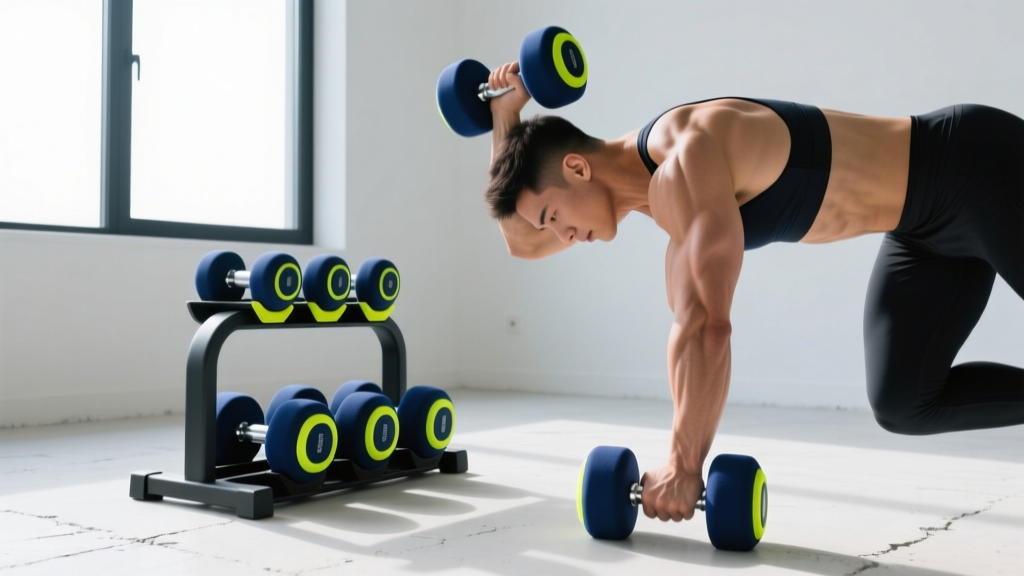
Rubber Hex vs Urethane: Mastering the Dumbbell Exercise for Rear Delts
Discover how rubber hex vs urethane dumbbells impact your rear delt training. Expert hands-on review, pricing, and biomechanics for 2026.

The Biomechanics of Rear Delt Isolation: Why Dumbbell Choice Matters
When building a complete, 3D shoulder physique, the posterior deltoid is notoriously the most stubborn muscle group to develop. Unlike the anterior and medial heads, which receive heavy indirect stimulation from pressing movements, the rear delts require strict, targeted isolation. According to biomechanical data from EXRX Kinesiology, the posterior deltoid's primary functions are shoulder horizontal abduction, external rotation, and extension. To maximize hypertrophy, you need equipment that allows for a flawless mind-muscle connection without grip fatigue or awkward weight distribution ruining your form.
This brings us to a critical, often overlooked debate in home and commercial gym setups: rubber hex dumbbells vs. urethane dumbbells. While both feature anti-roll hexagonal heads, their material composition, handle ergonomics, and long-term durability drastically alter your performance. In this 2026 hands-on review, we test both materials specifically through the lens of the ultimate dumbbell exercise for rear delts, breaking down exact pricing, material science, and real-world failure modes.
Expert Insight: The Grip-Fatigue FactorRear delt isolation requires a relatively light load compared to compound lifts. However, maintaining a neutral wrist and a secure grip during high-rep reverse flyes is paramount. If your dumbbell handle is poorly knurled or coated in degrading rubber residue, your forearm flexors will fail before your posterior deltoids reach mechanical tension.
Material Science: Virgin Rubber vs. Injection-Molded Urethane
To understand why your equipment behaves the way it does during a rigorous workout, we have to look at the durometer (hardness) ratings and manufacturing processes of both materials.
1. Rubber Hex Dumbbells (The Budget Standard)
Most commercial-grade rubber hex dumbbells (like the ubiquitous CAP Barbell Cast Iron Hex series) are made from recycled rubber mixed with a binding agent, molded around a cast iron core. They typically sit around 70-75 on the Shore A hardness scale. While this provides excellent floor protection and noise dampening, it comes with distinct drawbacks:
- Off-Gassing: Cheaper rubber compounds emit volatile organic compounds (VOCs), resulting in a persistent 'tire' smell that can linger in poorly ventilated home gyms.
- Degradation: Over 3 to 5 years, exposure to UV light and ozone causes the rubber to dry out, leading to micro-cracking and flaking.
- Handle Pitting: Budget rubber hex sets often use cheap chrome plating on the handles. When exposed to sweat during high-rep rear delt work, this chrome can pit, flake, and create a jagged grip surface.
2. Urethane Dumbbells (The Premium Contender)
Urethane (specifically thermoplastic polyurethane or TPU) is a premium elastomer injection-molded directly onto a steel or heavy-duty iron core. Brands like Rep Fitness and Rogue Fitness utilize urethane that rates between 85-90 on the Shore A scale. As detailed in Rep Fitness's material breakdown, urethane is virtually odorless, highly resistant to UV degradation, and boasts a significantly higher tensile strength than rubber.
Testing the Dumbbell Exercise for Rear Delts: 3 Movements Analyzed
We put a 50lb pair of CAP Barbell Rubber Hex dumbbells and a 50lb pair of Rep Fitness Urethane Hex dumbbells through three specific rear delt movements to evaluate ergonomics, grip security, and head geometry.
Test 1: Chest-Supported Reverse Fly
The Movement: Lying prone on a 30-degree incline bench, executing horizontal abduction to target the rear delts while eliminating lower-back momentum.
The Verdict: Urethane Wins. When resting the dumbbells on the bench pad between sets or at the bottom of the movement, the sharper, more precise edges of the urethane hex heads grip the vinyl bench pad securely. The rubber hex heads, being slightly softer and more rounded at the edges from mold wear, tend to slip on the incline. Furthermore, the Rep Urethane handles feature a medium-depth volcano knurling that bites through chalk without tearing calluses, whereas the CAP rubber hex handles felt overly aggressive and slick when sweat accumulated.
Test 2: Seated Bent-Over Lateral Raise
The Movement: Sitting on the edge of a flat bench, torso hinged forward, raising the dumbbells laterally to isolate the posterior fibers.
The Verdict: Tie (Context Dependent). In this position, the dumbbells rest on the sides of your thighs before the set begins. The wider footprint of the rubber hex heads provides a slightly more stable base on the quadriceps. However, the handle diameter on the urethane set (a precise 34mm) offered superior wrist alignment for the external rotation required at the top of the movement, compared to the slightly inconsistent 32mm-35mm taper found on the budget rubber handles.
Test 3: Standing Leaning Single-Arm Rear Delt Row
The Movement: Leaning away from a rack or wall, pulling the dumbbell toward the hip to target the rear delt and rhomboids.
The Verdict: Urethane Wins. This exercise demands immense grip endurance. The premium urethane dumbbells feature a hardened chrome handle with a protective urethane collar at the junction. The budget rubber hex dumbbells have a sharp, un-beveled metal collar that dug into the base of our testers' palms during the concentric pull, forcing an early termination of the set.
Head-to-Head Comparison Matrix (2026 Market Data)
| Feature | Budget Rubber Hex (e.g., CAP Barbell) | Premium Urethane Hex (e.g., Rep Fitness) |
|---|---|---|
| Cost Per Pound | $1.50 - $1.90 / lb | $3.20 - $4.50 / lb |
| Shore A Hardness | 70-75A (Softer, prone to gouging) | 85-90A (Dense, highly durable) |
| Knurling Pattern | Shallow diamond or aggressive multi-grip | Medium volcano, ergonomic 34mm shaft |
| Odor / Off-Gassing | High (requires weeks to air out) | None (Odorless TPU) |
| Drop Test Rating | Low (Rubber tears from iron core on impact) | High (Absorbs shock, bonds to steel core) |
The Verdict: Cost Per Pound and Long-Term Durability
If your primary goal is strictly outfitting a garage gym on a tight budget and you primarily perform heavy compound movements (like goblet squats or farmer's walks), the rubber hex dumbbell remains a viable, cost-effective workhorse. At roughly $1.70 per pound in 2026, a full 5-50lb set will cost you around $950.
However, if you are serious about hypertrophy and frequently execute the precise, high-rep dumbbell exercise for rear delts protocols outlined by the American Council on Exercise (ACE), the urethane dumbbell is a non-negotiable upgrade. The superior knurling prevents grip slip during sweaty drop-sets, the precise 34mm handle diameter supports optimal wrist mechanics during external rotation, and the dense urethane heads won't leave black scuff marks on your bench or flooring. A comparable 5-50lb urethane set will cost approximately $1,800 to $2,200, but it is a 'buy it for life' investment that will outlast the rubber alternative by decades.
Frequently Asked Questions (FAQ)
Can I use neoprene or vinyl-coated dumbbells for rear delt exercises?
While neoprene and vinyl dumbbells are popular for light aerobic classes, they are not recommended for serious rear delt hypertrophy. The smooth, unknurled handles become dangerously slippery when exposed to sweat during isolation movements like reverse flyes. Furthermore, they rarely exceed 20-25 lbs, which is insufficient for progressive overload in the posterior deltoid for most intermediate to advanced lifters.
Does the hex shape actually matter for rear delt training?
Yes. Rear delt exercises often require you to set the dumbbells down on a bench, your thighs, or the floor between intense drop-sets. Round dumbbells can easily roll away, creating a tripping hazard or forcing you to break your setup position to chase them. The hex shape ensures the weights stay exactly where you place them, maintaining your workout flow and mental focus on the mind-muscle connection.
How do I clean urethane dumbbells after a heavy shoulder day?
Urethane is highly resistant to chemicals, but you should avoid harsh solvents or bleach-based cleaners, which can dry out the elastomer over time. Simply use a microfiber cloth dampened with a mixture of warm water and mild dish soap, or a dedicated gym-equipment wipe. Wipe down the handles to remove sweat and chalk, then dry immediately to protect the chrome shaft from oxidation.
More gear to consider
All reviews
Cast Iron vs Competition Kettlebells vs Back and Biceps Workout Dumbbells

Olympic vs Standard Plates: Fix Dumbbell Side Raises & Gym Mistakes

Leg Raises Dumbbell Mistakes: Adjustable Set Reviews

Evidence Care and Maintenance: Protocols, Tools, and Real-World Best Practices for Forensic Integrity

Hex vs Round Dumbbells: Rubber vs Urethane (2026 Review)