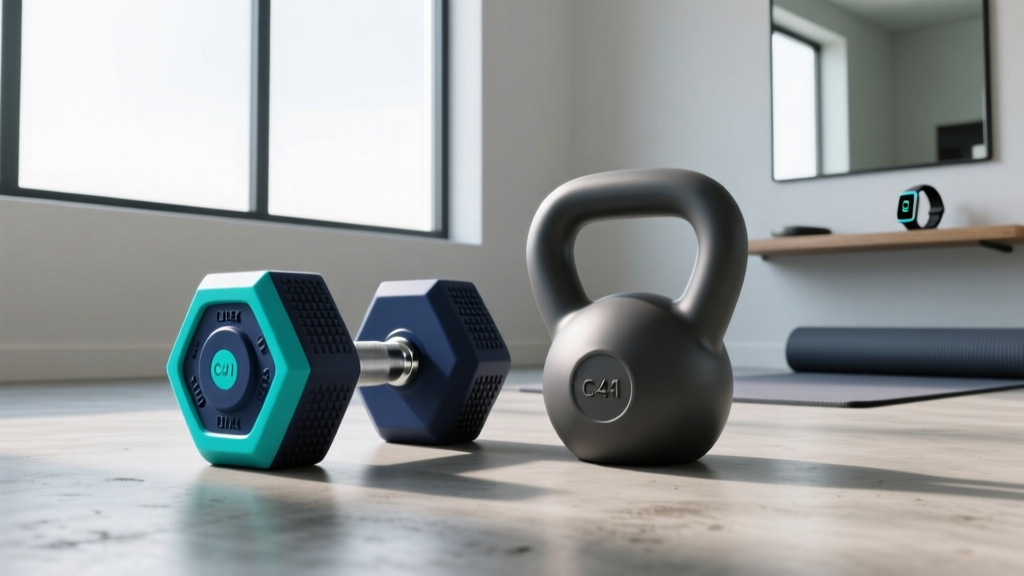
Optimize Your Training Program with Dumbbells: Rubber Hex vs Urethane
Compare rubber hex vs urethane dumbbells for your home gym. Discover 2026 pricing, 5-year ROI, failure modes, and the best value for your budget.

The True Cost of Equipping Your Home Gym
When designing a comprehensive training program with dumbbells, the focal point of your equipment investment inevitably lands on the dumbbell rack. For home gym owners and commercial facility managers alike, the debate between rubber hex dumbbells and urethane dumbbells represents the ultimate clash of upfront budget constraints versus long-term durability. In 2026, the fitness equipment market has seen significant shifts in raw material costs, making a rigorous value analysis more critical than ever. Choosing the wrong coating material doesn't just affect the aesthetics of your gym; it impacts the longevity of your gear, the safety of your flooring, and the overall tactile experience of your lifts.
This guide bypasses the generic marketing fluff to deliver a hard-data budget breakdown, material science analysis, and a 5-year total cost of ownership (TCO) model. Whether you are outfitting a garage gym for high-volume hypertrophy work or stocking a boutique studio, understanding the financial and functional chasm between rubber and urethane is the first step in optimizing your equipment spend.
Material Science: Virgin Rubber vs. Polyurethane Elastomers
To understand the pricing disparity, we must first examine the molecular reality of the materials involved. According to detailed material breakdowns by Garage Gym Reviews, the difference in manufacturing processes directly dictates the lifespan and environmental resistance of the dumbbell.
Material Callout: The Chemistry of Coatings
Rubber Hex Dumbbells: Typically manufactured using a blend of natural and synthetic rubber (often recycled tire rubber in budget models), vulcanized under heat and pressure. This process creates a porous surface that is susceptible to UV degradation and ozone cracking.
Urethane Dumbbells: Constructed from polyurethane, a synthetic elastomer that forms a non-porous, highly dense molecular bond. Urethane is inherently resistant to UV light, ozone, and extreme temperature fluctuations, making it the industry standard for commercial environments.
Rubber Hex Dumbbells: The Budget-Friendly Entry Point
Rubber hex dumbbells, particularly the ubiquitous cast-iron core models with a thick rubber encasement, remain the undisputed champions of low-cost gym outfitting. Brands like CAP Barbell and Yes4All dominate this space. The hexagonal head design prevents rolling, a critical safety feature for floor-based exercises like renegade rows or dumbbell push-ups.
2026 Pricing Breakdown: Rubber Hex
- Average Cost Per Pound: $1.45 to $1.85 / lb.
- Typical 50 lb Pair Cost: $145 - $185.
- Full Set Cost (5-50 lbs, 5 lb increments): Approximately $1,200 - $1,400.
The immediate financial relief of choosing rubber hex is undeniable. For a beginner or intermediate lifter executing a foundational training program with dumbbells, the capital preserved by purchasing rubber can be reallocated to an adjustable bench or a high-quality power rack. However, this upfront savings comes with hidden operational costs, primarily related to odor off-gassing (volatile organic compounds, or VOCs) and the eventual degradation of the rubber matrix when exposed to sunlight or fluctuating garage temperatures.
Urethane Dumbbells: The Premium Long-Term Investment
Urethane dumbbells represent the apex of free weight manufacturing. Brands like Rogue Fitness and Rep Fitness engineer their urethane lines to withstand the brutal environment of commercial gyms, where weights are dropped, slammed, and exposed to sweat and cleaning chemicals daily.
2026 Pricing Breakdown: Urethane
- Average Cost Per Pound: $2.75 to $4.20 / lb.
- Typical 50 lb Pair Cost: $275 - $420.
- Full Set Cost (5-50 lbs, 5 lb increments): Approximately $2,400 - $3,600.
While the sticker shock is real, urethane offers a zero-maintenance lifecycle. There is no off-gassing odor, no chalky residue left on your hands, and a significantly higher density that allows for a more compact dumbbell head. This compact profile is not just aesthetic; it improves the biomechanics of your lifts by bringing the center of mass closer to your hand, reducing wrist strain during heavy pressing movements.
Head-to-Head: 5-Year Total Cost of Ownership (TCO)
To truly evaluate value, we must project the cost over a 5-year horizon. This model assumes a moderate-to-heavy usage profile (4-5 sessions per week) in a non-climate-controlled garage gym environment.
| Metric | Rubber Hex (CAP Barbell) | Urethane (Rep Fitness U-4000) |
|---|---|---|
| Initial Investment (5-50lb Set) | $1,300 | $2,650 |
| 5-Year Replacement Rate | 15% (Ozone cracking/tearing) | 0% (Cosmetic scuffs only) |
| Maintenance / Cleaning Costs | $50 (Rubber conditioners) | $0 (Wipe clean with water) |
| Resale Value (Year 5) | $500 (High depreciation) | $1,600 (Holds ~60% value) |
| Net 5-Year Cost | $850 | $1,050 |
Analysis: While urethane remains more expensive over five years, the gap narrows significantly when factoring in resale value and replacement costs. For commercial gym owners, urethane is mathematically superior due to near-zero replacement rates. For home gym owners, the $200 difference over 60 months equates to roughly $3.30 per month for a vastly superior tactile experience and zero toxic odors.
Real-World Failure Modes and Edge Cases
Understanding how these dumbbells actually fail in the wild is crucial for making an informed purchase. Based on long-term durability testing and user reports aggregated by BarBend, here are the specific edge cases to watch for:
Rubber Hex Failure Modes
- The Handle Junction Tear: The most common failure point on budget rubber hex dumbbells is the seam where the rubber head meets the chrome handle. Repeated drops, even on rubber horse-stall mats, cause micro-fissures in the rubber. Over time, the head becomes loose, creating a dangerous rattle and compromising structural integrity.
- UV and Ozone Degradation: If your gym is in a garage with a window, or if you train outdoors, UV rays will break down the sulfur bonds in vulcanized rubber. The dumbbells will develop a chalky, dry-rot appearance and eventually crumble at the edges.
- Knurling Wear: Budget rubber hex sets often feature shallow, poorly machined knurling on hard chrome shafts. After two years of heavy use, the knurling smooths out, forcing the lifter to use excessive grip strength or chalk just to maintain control during heavy Romanian deadlifts.
Urethane Failure Modes
- Cosmetic Scuffing: While urethane will not crack or tear, it is prone to surface scuffing when dragged across textured flooring. This is purely aesthetic and does not impact performance.
- Extreme Cold Brittleness: In unheated environments where temperatures regularly drop below freezing (under 32°F / 0°C), lower-grade urethane can become temporarily brittle. If dropped from shoulder height onto concrete in these conditions, chipping can occur. Premium commercial-grade urethane mitigates this, but it remains a theoretical edge case for northern-climate garage gyms.
Ergonomics: The Hidden Value of Handle Design
When executing a high-volume training program with dumbbells, the handle is your only point of contact with the load. This is an area where urethane dumbbells universally outclass their rubber counterparts.
"The value of a dumbbell is not just in the weight it provides, but in the efficiency with which that weight is transferred to the target muscle. A poorly knurled, overly thick handle introduces unnecessary grip fatigue, effectively capping your progressive overload before the target muscle reaches true mechanical failure."
Premium urethane sets typically feature 30mm to 32mm diameter handles with medium-depth, dual-knurl patterns machined from solid steel. Conversely, rubber hex sets frequently utilize 34mm+ smooth or lightly knurled handles that become dangerously slippery when sweat is introduced. The ergonomic superiority of urethane handles directly translates to better workout quality and safer execution of heavy movements like floor presses and lunges.
Decision Framework: Which Should You Buy?
To finalize your budget breakdown, apply this decision matrix to your specific situation:
Buy Rubber Hex If:
- Your total equipment budget is strictly capped under $1,500 for a full rack.
- You are a beginner or intermediate lifter whose training program with dumbbells focuses primarily on moderate-weight, high-repetition circuit training.
- Your gym is located in a climate-controlled indoor space with zero UV exposure.
- You are willing to tolerate a strong rubber odor for the first 3 to 6 months of off-gassing.
Buy Urethane If:
- You view your home gym as a 10+ year investment and want a 'buy once, cry once' solution.
- Your programming includes heavy, low-rep strength work where aggressive knurling and precise weight distribution are non-negotiable.
- You are outfitting a commercial space, apartment gym, or shared facility where odor and durability are paramount.
- You plan to eventually resell your equipment; urethane retains immense value on the secondary market.
Final Verdict
The choice between rubber hex and urethane dumbbells is fundamentally a choice between short-term liquidity and long-term asset value. Rubber hex dumbbells offer a highly accessible entry point that allows you to build a robust training program with dumbbells without bankrupting your fitness budget. However, when adjusting for 5-year replacement rates, ergonomic superiority, and material resilience, urethane emerges as the undisputed champion of overall value. By understanding the exact failure modes and true cost per pound, you can allocate your capital with precision, ensuring your equipment supports your strength goals for decades to come.
More gear to consider
All reviews
Setup: Barbell Knurling & Dumbbells for Back Shoulder Exercises
Barbell Guide: Knurling, Weight & Quadriceps Exercises with Dumbbells

Barbell Collar Types & Dumbbell Exercises for Back Fat

Barbell Collar & Clamp Types: Ivanko Dumbbells Set & Bar Safety

Fix Your Pull Day Dumbbell Workout: Power Rack vs Squat Rack vs Stand
