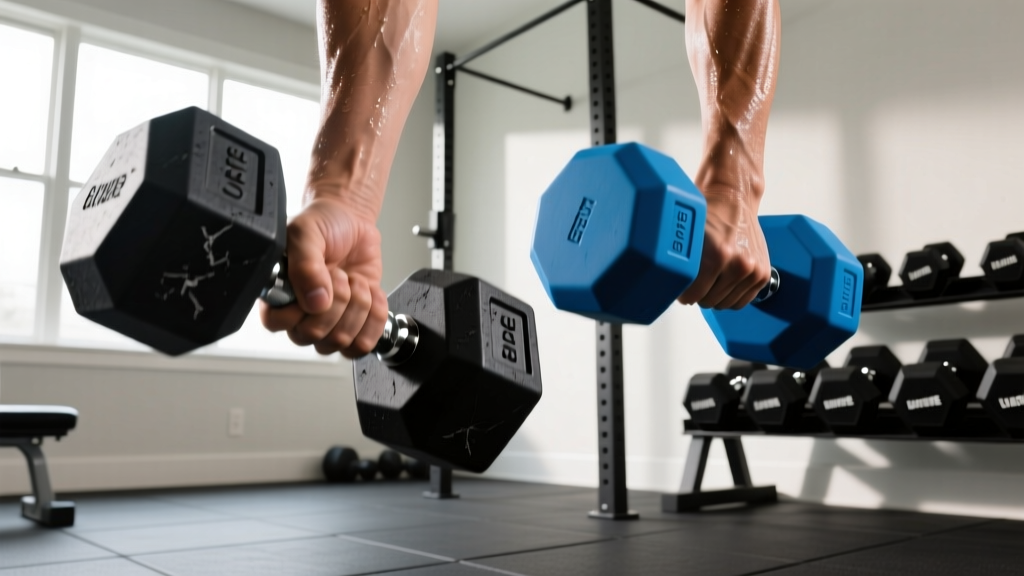
Rubber Hex vs Urethane: Surviving Your Dumbbell CrossFit Workout
Compare rubber hex and urethane dumbbells for high-impact routines. Learn essential maintenance and longevity tips to protect your dumbbell CrossFit workout gear.

The Material Science: Vulcanized Rubber vs. Polyurethane
When outfitting a gym for high-intensity functional fitness, the equipment you choose must withstand extreme mechanical stress. If you are programming a high-volume dumbbell CrossFit workout featuring movements like devil presses, heavy dumbbell snatches, or rotational thrusters, your weights will be dropped, dragged, and coated in magnesium carbonate chalk. The two most common contenders for this environment are rubber hex dumbbells and urethane dumbbells. While they may look similar to the untrained eye, their chemical compositions dictate vastly different lifespans and maintenance protocols.
Standard rubber dumbbells are typically coated in vulcanized natural or synthetic rubber. This material is cost-effective and provides decent shock absorption. However, rubber is susceptible to UV degradation, ozone cracking, and oxidation over time. Urethane, specifically cast polyurethane elastomer, is a synthetic polymer that bridges the gap between rubber and rigid plastic. According to material science analyses by Argonics, polyurethane offers superior abrasion resistance, higher load-bearing capacity, and near-total immunity to the oxidative breakdown that plagues natural rubber.
Impact Tolerance: Surviving the Drop Zone
The true test of any free weight is how it handles the drop zone during a grueling dumbbell CrossFit workout. Let us break down how these materials react to repeated impacts on rubber stall mats and concrete floors.
| Feature | Rubber Hex Dumbbells | Urethane Dumbbells |
|---|---|---|
| Material Hardness (Shore A) | 60A - 75A (Softer, deforms) | 85A - 92A (Dense, rigid) |
| Drop Tolerance | Moderate (Prone to edge chunking) | High (Resists tearing and shearing) |
| Chalk Adhesion | High (Porous, traps chalk/sweat) | Low (Non-porous, easy to wipe clean) |
| Average Cost (2026) | $1.25 - $2.00 per lb | $4.50 - $7.00 per lb |
| Odor / Off-Gassing | High initially, fades over months | Zero to negligible |
Common Failure Modes & Edge Cases
To maximize longevity, you must understand exactly how your equipment fails. As outlined in comprehensive gear guides by Rep Fitness, the coating is only half the battle; the internal assembly is where catastrophic failures occur.
Rubber Hex Vulnerabilities
- Edge Chunking: The sharp corners of hex dumbbells are structural weak points. When dropped from shoulder height during a fatigued clean and jerk, the vulcanized rubber can shear away from the iron core, creating tripping hazards and unbalancing the weight.
- Roll-Pin Backing: Budget rubber hex models often secure the head to the handle using hollow steel roll-pins. The rotational torque of a dumbbell thruster or snatch can cause these pins to work loose, leading to a detached head mid-workout.
- UV and Ozone Rot: If stored in a garage gym with direct sunlight or poor ventilation, the rubber will dry out, leading to micro-fissures that eventually crumble.
Urethane Vulnerabilities
- Cold-Weather Cracking: While highly durable at room temperature, polyurethane becomes brittle in sub-zero temperatures. Leaving urethane dumbbells in an unheated outdoor shed in winter and then dropping them will cause catastrophic shattering.
- Cosmetic Scratching: Urethane is tough, but it is not scratch-proof. Dragging them across rough concrete will leave permanent cosmetic scuffs, though this rarely affects structural integrity.
Expert Insight: "The initial investment in urethane is roughly 300% higher than vulcanized rubber. However, in a commercial or high-impact garage gym environment, the replacement cycle for rubber hex dumbbells is typically 18 to 24 months. Urethane sets routinely last 7 to 10 years, making the lifecycle cost nearly identical."
The 2026 Maintenance & Longevity Protocol
Whether you opt for the budget-friendly rubber hex or the premium Rogue Urethane Dumbbells, implementing a strict maintenance protocol is non-negotiable for longevity. Follow this step-by-step care routine to protect your investment.
- Neutralize the Chalk: Magnesium carbonate is hygroscopic (absorbs moisture) and mildly abrasive. Once a week, wipe down the dumbbell heads with a microfiber cloth dampened with a 10% isopropyl alcohol and water solution. This breaks down chalk buildup without degrading the polymer.
- Avoid Caustic Cleaners: Never use bleach, ammonia, or undiluted degreasers on rubber hex dumbbells. These chemicals strip the natural oils from the vulcanized rubber, accelerating dry rot. Use a pH-neutral cleaner like diluted Simple Green (1:10 ratio).
- Handle and Knurling Care: Sweat is highly corrosive. After every session, use a nylon-bristle brush to clear sweat and dead skin from the knurling. Wipe the shaft with a light coat of 3-in-One oil or a dedicated barbell oil to prevent oxidation. Never use a wire brush on rubber-coated handles, as it will tear the coating and invite rust to the core.
- Hardware Torque Checks: For bolt-on dumbbell heads (common in premium urethane models), use a torque wrench every 6 months to ensure the bolts are seated at 40-50 ft-lbs. Apply a medium-strength threadlocker (like Loctite 243) to prevent vibration-induced loosening during high-rep WODs.
Do not stack heavy dumbbells directly on top of one another on the floor. The sustained pressure on the bottom edges of rubber hex dumbbells will cause permanent deformation (compression set). Always utilize a tiered, angled dumbbell rack that supports the steel handles, not the rubber or urethane heads.
Cost-Benefit Analysis: Upfront vs. Lifecycle
When budgeting for your gym, it is vital to look beyond the initial price tag. A 50lb pair of rubber hex dumbbells might cost $125, while a premium urethane pair will cost upwards of $500. However, if your dumbbell CrossFit workout programming involves frequent drops from overhead, the rubber heads will likely require replacement within two years. Urethane, boasting a high-durometer Shore A rating of 90, will absorb those same impacts for a decade without structural compromise.
For home gym users who strictly perform controlled hypertrophy work and never drop their weights, rubber hex dumbbells remain a viable, cost-effective option—provided they are kept out of direct sunlight and cleaned regularly. But for the athlete treating their garage like a competitive box, urethane is the undisputed champion of longevity, safety, and low-maintenance ownership.
Final Verdict
Your equipment should facilitate your training, not become a secondary chore. By understanding the material science and failure modes of rubber hex versus urethane, you can align your purchase with your actual training style. Implement the cleaning protocols, respect the torque specs, and your dumbbells will survive even the most brutal metcons the sport has to offer.
More gear to consider
All reviews
Bumper vs Iron Plates: Layouts & Forearm Curls Dumbbells

Perfect Dumbbell Cuban Press Setup With Neoprene Weights
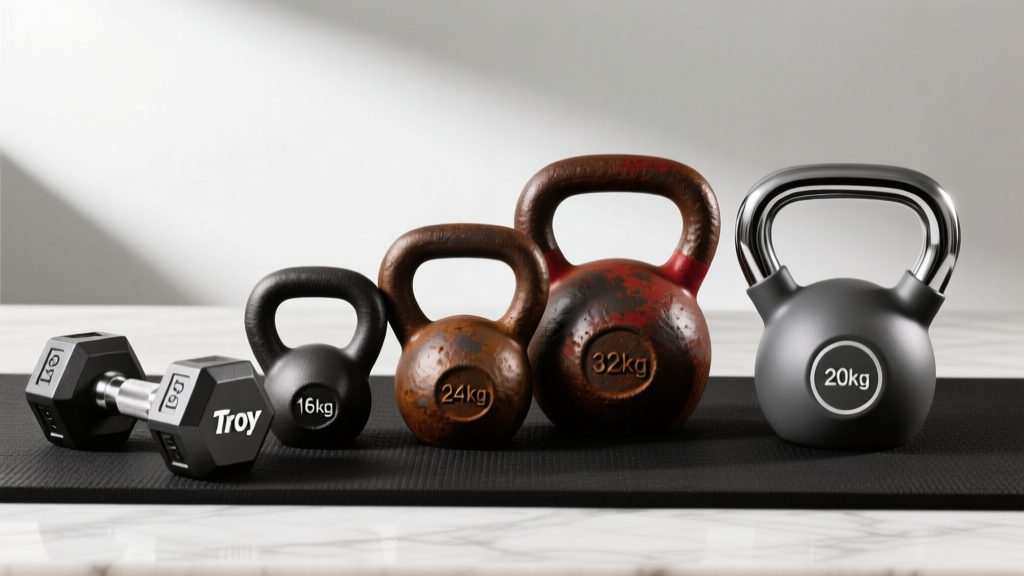
Cast Iron vs Competition Kettlebells & Troy Dumbbell Guide

The Complete Home Setup for Dumbbell Rows for Women
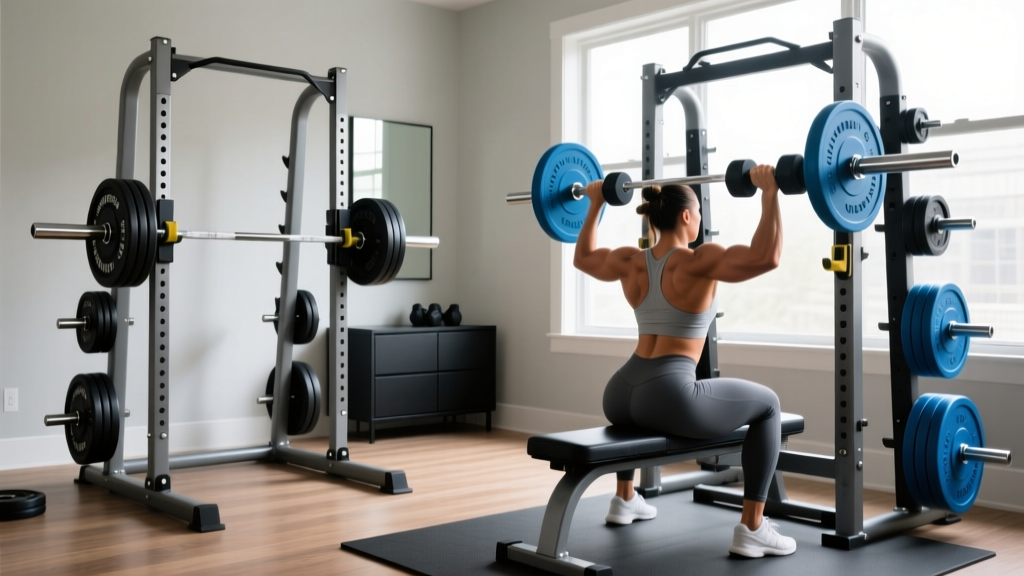
Standard vs Olympic Plates Setup & Seated Dumbbell Power Clean
