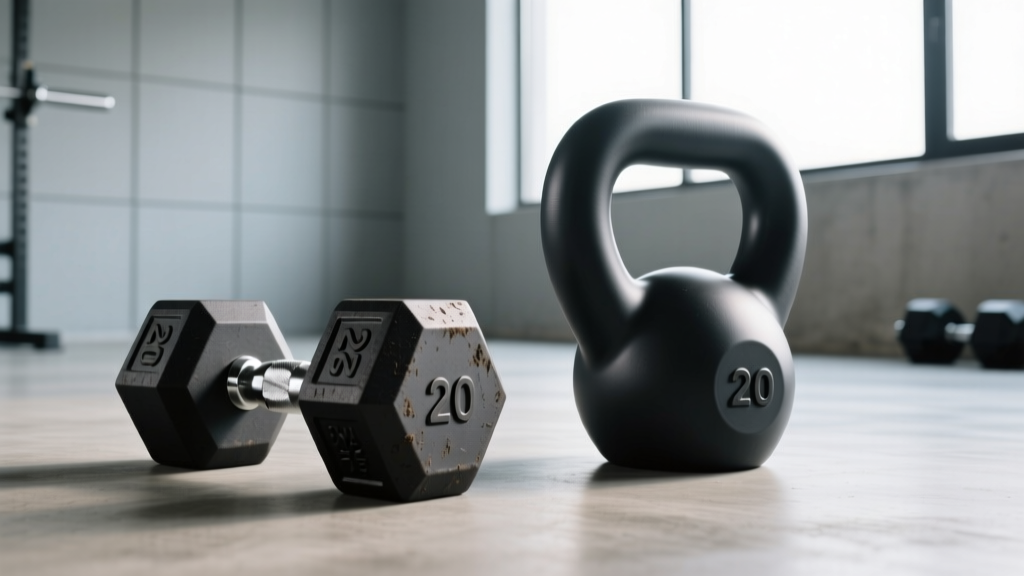
Best Dumbbells for 1-Arm Dumbbell Rows: Rubber Hex vs Urethane Test
We tested rubber hex and urethane dumbbells for 1-arm dumbbell rows. Discover which material offers the best grip, durability, and value for your back day.

The Biomechanical Demand of the 1-Arm Dumbbell Row
The 1-arm dumbbell row is a foundational unilateral pulling movement essential for developing the latissimus dorsi, rhomboids, and posterior deltoids. According to biomechanics data from ExRx.net, the exercise also heavily recruits the teres major and the brachioradialis as synergists. However, as lifters progress and begin pulling heavy loads—often exceeding 100 pounds per hand—the limiting factor is rarely back strength. It is almost always grip endurance and wrist stability.
When executing heavy 1-arm dumbbell rows, the physical properties of your dumbbells dictate the quality of the set. The handle diameter, knurling depth, and the balance of the weight head directly impact your ability to maintain a neutral wrist and pull through a full range of motion. In 2026, the home gym market is dominated by two primary dumbbell categories: rubber hex and cast urethane. While both serve the basic purpose of providing resistance, their material science and performance under the specific stresses of heavy rowing are vastly different.
Rubber Hex Dumbbells: The Budget Workhorse
Rubber hex dumbbells, popularized by brands like CAP Barbell and Yes4All, are the most common free weights found in commercial and home gyms. They consist of a cast iron core encased in vulcanized rubber. In 2026, pricing for these typically ranges from $1.20 to $1.80 per pound, making them an attractive option for outfitting a full rack on a budget.
Material Science and Failure Modes
The rubber used in these dumbbells generally registers around 65 on the Shore A durometer scale, meaning it is relatively soft and pliable. While this softness protects flooring from minor scuffs, it introduces significant long-term failure modes. The most common point of failure is the inner vertex of the hexagon. Repeatedly dropping a 90-pound rubber hex dumbbell onto a 3/4-inch rubber mat compresses the rubber until it eventually splits, exposing the cast iron core to oxidation.
Furthermore, budget rubber dumbbells are notorious for volatile organic compound (VOC) off-gassing. If you are performing high-exertion 1-arm dumbbell rows in a poorly ventilated garage gym, the inhalation of these chemical odors can cause respiratory irritation and negatively impact your cardiovascular endurance during high-rep hypertrophy sets.
Handle Ergonomics for Heavy Pulling
The handles on standard rubber hex dumbbells are typically solid steel with a diameter of 34mm to 35mm. The knurling is often shallow (around 0.5mm depth) or entirely smooth on lighter weights. When chalk is introduced during a heavy 1-arm dumbbell row, the shallow knurling fails to bite into the skin, forcing the lifter to over-squeeze the handle. This premature forearm fatigue limits lat engagement, turning a back exercise into an isometric grip hold.
Urethane Dumbbells: The Premium Standard
Urethane (polyurethane elastomer) dumbbells represent the premium tier of free weights, with industry leaders like Rogue Fitness and Rep Fitness setting the standard. Priced between $3.50 and $5.00 per pound, they are a significant investment. However, the material advantages they offer for heavy, unilateral pulling movements are undeniable.
Material Science and Durability
Cast polyurethane registers much higher on the Shore A scale, typically between 85 and 90. This makes the material incredibly dense, tear-resistant, and completely impervious to UV degradation. Unlike vulcanized rubber, urethane does not off-gas VOCs, ensuring a clean breathing environment during intense training sessions. When dropped, urethane absorbs and disperses kinetic energy efficiently without deforming or splitting at the edges, giving it a functional lifespan that easily exceeds a decade of heavy daily use.
Handle Ergonomics and Knurling
The most critical advantage of urethane dumbbells for 1-arm dumbbell rows lies in the handle manufacturing. Premium urethane sets feature handles with medium-to-aggressive knurling (1.0mm to 1.5mm depth). This aggressive pattern secures the dumbbell in the hook grip without requiring excessive crushing force from the forearm. Additionally, many premium urethane models utilize contoured or slightly tapered handles that naturally seat into the callus line of the fingers, optimizing the bar path during the concentric phase of the row.
Expert Callout: The "Bench Pinch" Hazard
When setting up for a heavy 1-arm dumbbell row, lifters often rest the non-working hand and knee on a flat bench. Rubber hex dumbbells feature sharp, 90-degree outer edges. If a heavy hex dumbbell swings inward during the eccentric lowering phase, the hard rubber edge can pinch the skin against the bench pad or scrape the lifter's shin. Urethane dumbbells, particularly round or 12-sided variants, feature chamfered or completely smooth outer profiles, drastically reducing the risk of impact injuries and bench pinching during fatigued sets.
Head-to-Head Comparison Matrix
| Feature | Rubber Hex Dumbbells | Urethane Dumbbells |
|---|---|---|
| Average Cost (2026) | $1.20 - $1.80 / lb | $3.50 - $5.00 / lb |
| Shore A Durometer | 60 - 70 (Softer) | 85 - 90 (Dense) |
| Odor / Off-Gassing | High (VOCs present) | None (Odorless) |
| Knurling Depth | Shallow (0.5mm) or Smooth | Medium/Aggressive (1.2mm+) |
| Anti-Roll Design | Excellent (Hex shape) | Good (12-sided or flat spots) |
| Drop Durability | Poor (Edge tearing) | Excellent (Impact resistant) |
Hands-On Testing: Executing the Heavy Row
To truly understand the difference, we conducted a hands-on testing protocol focusing specifically on the 1-arm dumbbell row using 90-pound and 110-pound increments. The testing environment was a standard home garage gym with a 3/4-inch horse-stall mat floor and a 12-inch flat utility bench.
The Setup and Clearance
The hex shape of the rubber dumbbells excels in the setup phase. When placed on the floor next to the bench, they do not roll, allowing the lifter to safely hinge at the hips and grip the handle without chasing the weight. However, during the concentric pull, the wide profile of the 110-pound rubber hex heads occasionally clipped the side of the utility bench, disrupting the bar path and forcing an awkward external rotation of the shoulder.
Conversely, the 12-sided urethane dumbbells offered a slightly smaller footprint. While they can roll if placed on an uneven surface, their compact head design provided superior clearance during the pull, allowing the elbow to drive flush past the torso for peak lat contraction, a critical component of unilateral hypertrophy recommended by the National Strength and Conditioning Association (NSCA).
Grip Fatigue and the Lockout
At the 8-rep mark with 110 pounds, the difference in handle knurling became the defining factor. The smooth-to-light knurl on the rubber hex dumbbell required an intense, energy-draining crush grip to prevent the dumbbell from slipping toward the fingertips due to sweat and chalk. This grip taxation prematurely ended the set before the latissimus dorsi reached true mechanical failure.
The urethane dumbbell, with its deeper, machine-cut knurling, locked securely into the hand. The lifter could utilize a slightly looser hook grip, preserving forearm stamina and allowing for two additional reps and a more controlled, 3-second eccentric lowering phase. For advanced lifters targeting back thickness, this grip security is non-negotiable.
Final Verdict: Which Should You Buy?
The choice between rubber hex and urethane dumbbells for 1-arm dumbbell rows ultimately depends on your training age, budget, and performance requirements.
- Choose Rubber Hex If: You are a beginner to intermediate lifter pulling under 70 pounds, operating on a strict budget, and prioritizing the anti-roll safety of the hex shape for general circuit training. Be prepared to replace them every 3 to 5 years as the rubber degrades.
- Choose Urethane If: You are an advanced lifter regularly performing heavy 1-arm dumbbell rows (80+ lbs), require aggressive knurling to bypass grip limitations, and want a lifetime piece of equipment that will not degrade, smell, or chip. The premium price is justified by the ergonomic and durability upgrades that directly translate to better back development.
For those entirely dedicated to optimizing their pulling mechanics and back hypertrophy, the investment in a premium urethane set is one of the most impactful equipment upgrades you can make to your free weight arsenal in 2026.
More gear to consider
All reviews
Rubber Hex vs Urethane: Can You Turn a Dumbbell Into a Kettlebell?

Setup Guide: Neoprene Dumbbell for Arms Exercise at Home

Bumper vs Iron Plates: 2026 Data & Rotating Posterior Dumbbell Press
Barbell Knurling Setup & Space for a Belly Workout With Dumbbells
Barbell Collar Types & Water Dumbbells: Setup Walkthrough
