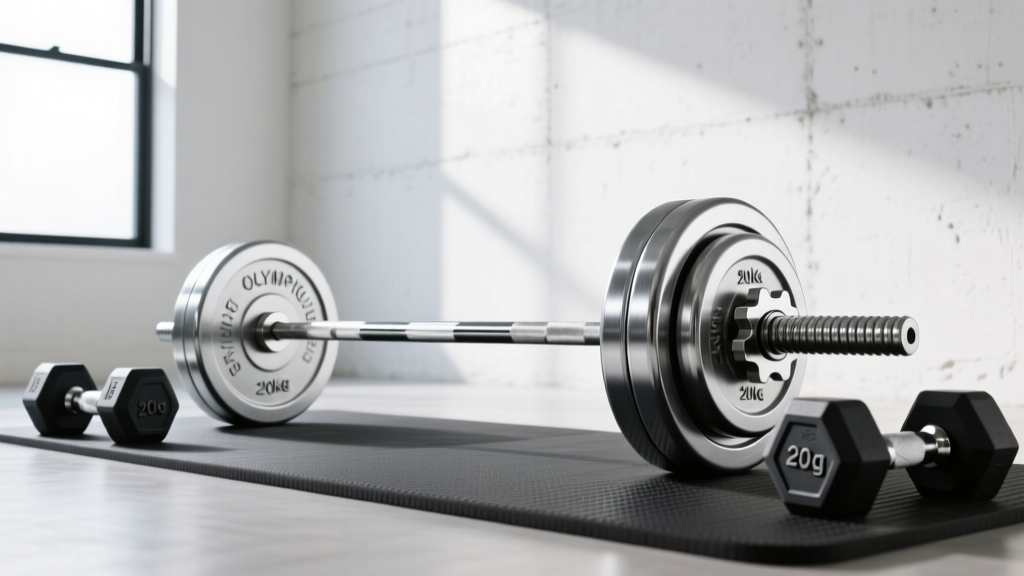
Rubber Hex vs Urethane Dumbbells & Home Alternatives for a Gym Bench
We test rubber hex vs urethane dumbbells for your 2026 home gym. Plus, discover smart home alternatives for a gym bench to maximize your floor space.

When outfitting a garage or spare-room gym in 2026, two of the most critical decisions you will face involve your pressing mechanics and your free weight selection. Specifically, you must choose between the budget-friendly rubber hex dumbbell and the premium urethane dumbbell, while simultaneously figuring out space-saving home alternatives for a gym bench to maximize your usable square footage. A standard adjustable weight bench consumes roughly 12 to 15 square feet of floor space and can cost upwards of $400 for a commercial-grade unit. By making informed choices about your dumbbell materials and exploring biomechanically sound bench alternatives, you can build a highly functional, odor-free, and space-efficient training environment.
The Material Science: Rubber Hex vs. Urethane
The debate between rubber-coated hex dumbbells and solid urethane dumbbells ultimately comes down to polymer chemistry. Traditional rubber hex dumbbells are typically manufactured using SBR (Styrene-Butadiene Rubber) or recycled vulcanized rubber. During the vulcanization process, sulfur and various plasticizers are used, which results in the notorious 'off-gassing' smell—a release of Volatile Organic Compounds (VOCs) that can linger in a poorly ventilated home gym for months.
Urethane, on the other hand, is a premium elastomer created by reacting a polyol with a diisocyanate. The result is a material that boasts a higher Shore A durometer (hardness) rating, superior UV resistance, and zero VOC off-gassing. According to extensive hands-on testing documented by Garage Gym Reviews, urethane dumbbells maintain their structural integrity and aesthetic finish even after years of heavy drops and exposure to sunlight, whereas rubber hex edges tend to chip and degrade over time.
2026 Market Pricing Data: Expect to pay between $1.30 and $1.60 per pound for virgin rubber hex dumbbells. Premium urethane dumbbells command a higher price point, typically ranging from $3.80 to $4.50 per pound, reflecting the raw material costs and precision-machined steel cores.Head-to-Head Comparison Matrix
| Feature | Rubber Hex (e.g., CAP Barbell) | Urethane (e.g., Rogue Fitness) |
|---|---|---|
| Shore A Hardness | 70A - 80A (Softer, bouncy) | 85A - 95A (Dense, dead bounce) |
| Odor / VOCs | High (Requires weeks of airing out) | None (Odorless) |
| Edge Durability | Prone to chipping on concrete drops | Highly resistant to tearing/chipping |
| Handle Knurling | Shallow chrome, wears smooth | Medium volcano knurl, 35mm grip |
| Average Cost per lb | $1.30 - $1.60 | $3.80 - $4.50 |
Hands-On Review: 2026 Top Dumbbell Picks
1. Rogue Fitness Urethane Dumbbells
For the serious home gym owner who views equipment as a lifetime investment, Rogue Fitness Urethane Dumbbells remain the gold standard in 2026. The heads are encased in high-durometer urethane that completely eliminates the 'bouncy' effect seen in cheaper rubber when dropped on horse-stall mats. The handles feature a 35mm diameter shaft with a medium volcano knurl that provides aggressive grip without tearing calluses during high-rep hypertrophy work. The primary drawback is the steep entry price, but the zero-maintenance and zero-odor profile make it the undisputed champion for indoor residential spaces.
2. CAP Barbell Coated Hex Dumbbells (Model SDH)
If your budget is strict and your gym is located in a detached, well-ventilated garage, the CAP Barbell SDH series is a viable workhorse. The hexagonal head design prevents rolling, making them ideal for renegade rows and floor-based movements. However, be prepared for a significant off-gassing period. We recommend leaving them outside in a shaded, dry area for at least 14 days before bringing them indoors. Furthermore, avoid dropping them from shoulder height onto bare concrete, as the rubber coating will eventually split and separate from the internal cast-iron core.
Smart Spatial Design: Home Alternatives for a Gym Bench
Once you have selected your dumbbells, you must address your pressing surface. A bulky adjustable bench can severely limit floor space for kettlebell swings, deadlifts, and mobility work. Fortunately, modern sports science offers highly effective home alternatives for a gym bench that maintain muscle activation while preserving your gym's footprint.
The Biomechanics of the Dumbbell Floor Press
The floor press is not merely a compromise; it is a premier strength-building movement. By lying flat on the floor, your range of motion (ROM) is naturally restricted by approximately 4 to 6 inches compared to a standard 17-inch bench press. This partial ROM significantly reduces shear stress on the anterior deltoids and rotator cuff, making it an excellent alternative for lifters managing shoulder impingements. The lockout phase of the floor press heavily recruits the triceps brachii, allowing you to overload the top half of the pressing motion with heavy hex or urethane dumbbells.
High-Density Foam Wedges
To replicate an incline bench press without purchasing a metal frame, invest in a high-density EVA foam wedge (such as the Aeromat Elite Fitness Wedge). A 4-inch to 6-inch lift under your upper back creates a 15-to-30-degree incline angle. According to exercise mechanics data from the ACE Fitness Exercise Library, this slight incline shifts the emphasis to the clavicular head of the pectoralis major (upper chest) while maintaining the core stabilization benefits of a floor-based movement. Foam wedges cost under $40, weigh less than 3 pounds, and can be stacked in a corner when not in use.
Anti-Burst Swiss Balls
For lifters seeking core integration with their dumbbell presses, a heavy-duty Swiss ball serves as a dynamic bench alternative. When performing dumbbell chest presses on a stability ball, the unstable surface increases electromyographic (EMG) activation in the rectus abdominis and obliques by up to 30%. Crucial Safety Note: Only use balls rated with a minimum 2,000 lb static burst resistance, and ensure your urethane or rubber dumbbells have smooth, non-abrasive edges to prevent punctures.
Pro-Tip for Floor Pressing: When using rubber hex dumbbells for floor presses, be mindful of the handles. If you fail a rep and drop the weights, the rigid hex handles can strike the floor and lever the heavy rubber heads directly onto your forearms. Urethane dumbbells with contoured, ergonomic handles offer a safer bailout trajectory.Final Verdict: Where Should You Invest?
Building an elite home gym in 2026 requires balancing budget, spatial constraints, and material longevity. If you are training in an attached spare bedroom or a finished basement, the premium cost of urethane dumbbells is entirely justified by the lack of toxic off-gassing and superior edge durability. Conversely, if you are outfitting a detached garage on a budget, rubber hex dumbbells will get the job done, provided you allow time for the VOCs to dissipate.
By pairing your chosen dumbbells with intelligent home alternatives for a gym bench—such as heavy-duty floor pressing, foam wedge inclines, and anti-burst stability balls—you can reclaim valuable square footage, protect your joints, and achieve elite-level hypertrophy without ever needing a traditional, space-hogging weight bench.
More gear to consider
All reviews
2026 Trends: 10 Pound Dumbbell vs Cast Iron & Comp Kettlebells
Olympic vs Standard Plates: Full Body Circuit with Dumbbells
Competition vs Cast Iron Kettlebells: Better Than Dumbbell Set Deals?

Budget Loadable Dumbbells for Your Three Day Dumbbell Workout

Adjustable Dumbbells vs. Neoprene Dumbbells 10 lbs: 2026 Guide