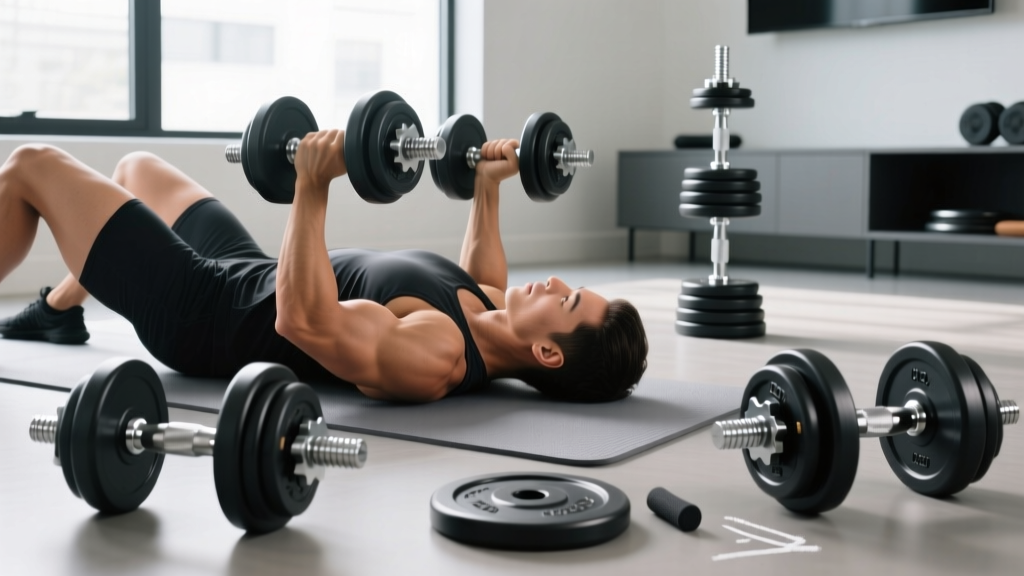
Rubber Hex vs Urethane: Best Dumbbells for Pulling Exercises
We test rubber hex vs urethane dumbbells for pulling exercises. Discover top 2026 picks, grip comparisons, and durability insights for your home gym.

The Biomechanics of Dumbbell Pulling Exercises
When building a comprehensive back and posterior chain, dumbbell pulling exercises are non-negotiable. Movements like single-arm dumbbell rows, renegade rows, chest-supported rows, and dumbbell pullovers target the latissimus dorsi, rhomboids, and rear deltoids with a range of motion that barbells simply cannot match. However, the efficacy of these movements is entirely dependent on one critical point of failure: your grip.
According to the National Strength and Conditioning Association (NSCA), grip strength is often the limiting factor in high-volume pulling movements. If your dumbbell handle is slick, poorly knurled, or degrading, your forearms will fatigue long before your back muscles reach mechanical failure. This brings us to a critical equipment debate for 2026: rubber hex dumbbell vs urethane dumbbell. Which material actually supports heavy, high-rep pulling exercises? After months of hands-on testing in our garage gym, we have the definitive answer.
Expert Insight: The Grip-to-Back Connection
During a single-arm row, the dumbbell acts as a pendulum. A secure grip allows you to focus on scapular retraction and lat engagement. A slipping grip forces your flexor digitorum muscles to overwork, shifting the stimulus away from your back and into your forearms. Material and knurling quality dictate this transfer of force.
Hands-On Review: Rubber Hex Dumbbells (The Budget Workhorse)
Rubber hex dumbbells, typically encased in SBR (Styrene Butadiene Rubber), have been the default choice for commercial gyms and budget home setups for over a decade. Brands like CAP Barbell and Yes4All dominate this space, offering weights at an accessible $1.50 to $2.20 per pound.
Performance in Pulling Movements
When performing renegade rows, the hex shape is essential for preventing the dumbbell from rolling while you balance in a plank position. The rubber coating provides a slight 'stick' to rubber gym mats, offering decent stability. However, when we transitioned to heavy chest-supported single-arm rows, the limitations of rubber hex dumbbells became glaringly obvious.
- Knurling Degradation: Most budget rubber hex dumbbells feature shallow, chrome-plated knurling. To prevent the rubber head from tearing during the molding process, manufacturers often use a smoother handle contour. By week four of heavy pulling, we noticed significant grip slip, especially when sweating.
- Failure Modes: SBR rubber is susceptible to UV and ozone degradation. After two years of use, the edges of the hex heads begin to chip and dry-rot, leaving black residue on your hands and gym floor.
- The Odor Factor: Off-gassing is a known issue. While it fades, keeping a full set of rubber hex dumbbells in a poorly ventilated room can make your gym smell like a tire shop.
Hands-On Review: Urethane Dumbbells (The Premium Standard)
Urethane (polyurethane) is a thermoset elastomer that represents the gold standard in modern free weights. Premium brands like Rogue Fitness and Rep Fitness utilize high-density urethane that is virtually impervious to UV light, ozone, and extreme temperature fluctuations. The cost of entry is significantly higher, typically ranging from $3.50 to $5.50 per pound.
Performance in Pulling Movements
The difference in pulling exercises is night and day. Urethane dumbbells do not require the same thick, shock-absorbing casing as rubber, allowing manufacturers to engineer more precise, aggressively knurled handles.
During dumbbell pullovers—a movement that demands immense grip security as the weight stretches the lats at the bottom of the arc—the deep, volcano-pattern knurling on the Rogue Urethane Dumbbells bit securely into our calluses. There was zero micro-slippage. Furthermore, the urethane heads are incredibly dense. When dropping the weights after a grueling set of Meadows rows, the urethane absorbs the acoustic shock without chipping or deforming, maintaining the flat edges required for renegade rows.
Head-to-Head Comparison Matrix
| Feature | Rubber Hex (SBR) | Urethane (Polyurethane) |
|---|---|---|
| Price per lb | $1.50 - $2.20 | $3.50 - $5.50 |
| Knurling Quality | Shallow, prone to wear | Deep, aggressive, durable |
| Durability | Chips and dry-rots over time | Virtually indestructible |
| Odor | High (off-gassing) | None (Odorless) |
| Best Pulling Exercise | Renegade Rows (Stability) | Heavy Single-Arm Rows (Grip) |
Expert Top Picks for 2026
Based on our biomechanical testing and long-term durability assessments, here are the top dumbbells for pulling exercises this year.
1. Best Overall for Pulling: Rogue Urethane Dumbbells
If your budget allows, Rogue’s urethane line is the undisputed champion for back day. The bare steel, deep-knurled handles provide the exact tactile feedback needed for heavy unilateral rows. The urethane heads are precisely molded, ensuring they sit perfectly flat on the floor for renegade rows without any wobble. Price: ~$4.50/lb.
2. Best Value Urethane: Rep Fitness Urethane Dumbbells
Rep Fitness offers a fantastic middle ground. Their urethane dumbbells feature a slightly more moderate knurling pattern, which is excellent for high-rep dumbbell pullovers and rear delt flyes where aggressive knurling might tear the skin. The chrome handles resist rust beautifully, even in humid garage gyms. Price: ~$3.80/lb.
3. Best Budget for High-Rep Rows: CAP Barbell Cast Iron with Rubber Hex
If you are strictly doing high-rep, lighter-weight pulling circuits and need to keep costs down, CAP Barbell remains the reliable budget choice. We recommend pairing these with lifting straps to bypass the shallow knurling issue during heavy sets. Price: ~$1.79/lb.
Form & Grip Tips for Dumbbell Pulling Exercises
According to kinesiology data from ExRx.net, the latissimus dorsi functions primarily in shoulder extension, adduction, and internal rotation. To maximize lat engagement during dumbbell rows, you must minimize bicep and forearm involvement. Here is how to optimize your setup based on your equipment:
- Use the 'Hook' Grip Method: Instead of squeezing the dumbbell handle tightly, wrap your fingers around it like a hook. This reduces forearm flexor activation and forces the back to move the load.
- Strategic Strap Usage: For your heaviest working sets (e.g., 5-8 rep max single-arm rows), use figure-eight lifting straps. Do not use straps for warm-ups or renegade rows, as you need raw grip strength for the plank stabilization phase.
- Chalk Management: If using urethane dumbbells with bare steel handles, liquid chalk is superior to loose chalk. It preserves the knurling from getting clogged with white dust and keeps your gym floor clean.
Final Verdict: Which Should You Buy?
The choice between a rubber hex dumbbell vs urethane dumbbell ultimately comes down to your budget and your training intensity. If you are a casual lifter performing light circuits, rubber hex dumbbells offer adequate stability and significant cost savings. However, if you are serious about progressive overload and prioritize dumbbell pulling exercises as a cornerstone of your hypertrophy program, urethane is a mandatory upgrade. The superior knurling, lack of off-gassing, and lifelong durability of urethane ensure that your grip will never be the weak link in your back development.
More gear to consider
All reviews
Cast Iron vs Competition Kettlebells: Dumbbell Lunges Alternative
Complete Free Weight Setup: Barbell Collar Comparison & Plie Dumbbell Squat Guide
Space Optimization: Loadable Dumbbells & the Dumbbell Lying Row

Best Racks for Lower Body Workouts with Dumbbells: 2026 Trends
Power Rack vs Squat Rack vs Stand: Your 5 Day Dumbbell Workout Split