Power Rack vs Squat Rack vs Stand: Dumbbell, Kettlebell, Barbell
Compare power racks, squat racks, and stands for dumbbell, kettlebell, and barbell training. Expert 2026 specs, pricing, and safety insights.

The Core Architecture: 4 Uprights vs. 2 Uprights
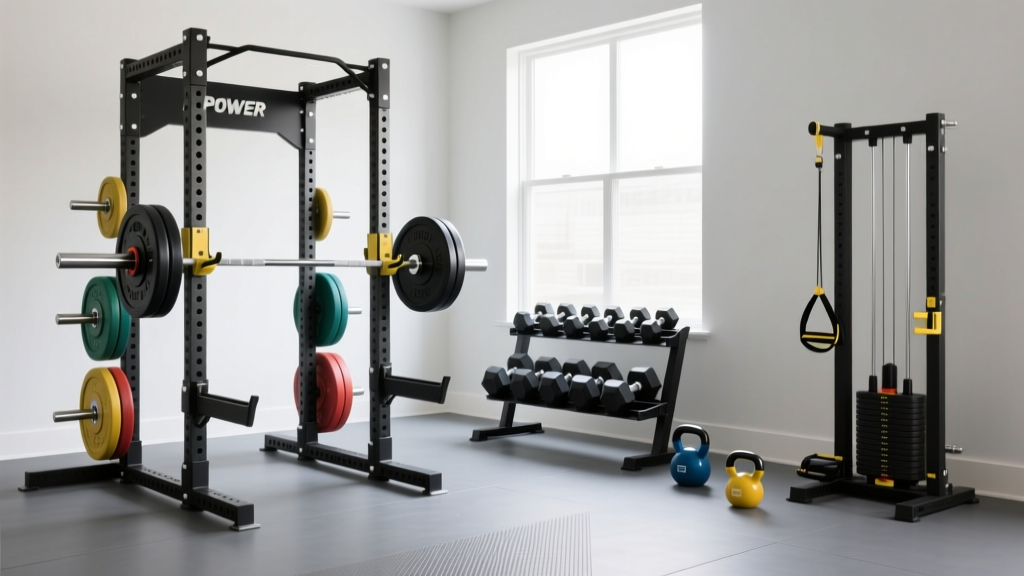
When outfitting a home gym, seamlessly transitioning between your dumbbell, kettlebell, and barbell routines requires a foundational piece of equipment that can handle diverse biomechanical demands. The debate between a full power rack, a traditional squat rack, and a minimalist squat stand is no longer just about space—it is about safety tolerances, attachment ecosystems, and interior clearance. In 2026, with steel tariffs stabilizing and modular gym designs peaking, choosing the right rig dictates the ceiling of your training potential.
Quick Decision Matrix:- Full Power Rack: Mandatory for band-resisted barbell work, heavy rack pulls, and solo dumbbell benching with strap safeties.
- Squat Rack (Open Top): Ideal for Olympic lifting variations where barbell clearance overhead is required, but limits heavy solo dumbbell pressing.
- Squat Stand: Best for tight spaces and kettlebell/dumbbell-focused circuits where the barbell is used strictly for squats and floor presses.
Barbell Dominance: Heavy Compounds and Band Work
If your programming heavily features the ExRx.net recommended barbell progressions—like Anderson squats, pin presses, and banded deadlifts—a 4-upright power rack is non-negotiable. The structural integrity of a 4-upright system prevents the rack from tipping when heavy resistance bands are anchored to the base.
Take the Rogue R-3 Power Rack (11-gauge steel, 43-inch interior width). Priced around $1,150 in 2026, it features laser-cut numbers on the uprights and a 43-inch depth. This depth is crucial: it allows a lifter to bail on a heavy barbell back squat backward without the bar missing the safety pins. Conversely, a 2-upright squat stand relies entirely on the weight of the loaded barbell and the user's spotter arms to maintain a center of gravity. Attempting heavy banded barbell squats on a squat stand is a catastrophic tipping hazard.
Dumbbell and Kettlebell Integration: The Clearance Test
Where the squat rack and squat stand often fail the modern lifter is in dumbbell and kettlebell integration. Heavy dumbbell bench pressing (e.g., using 100lb to 150lb hex dumbbells) requires a spotter. If you are training alone, you need spotter arms deployed.
The Interior Width Dilemma
Most standard power racks have an interior width of 42 to 43 inches. When you lie on a bench inside a power rack with 43-inch interior spacing, your elbows will clear the uprights, but deploying spotter arms for dumbbell work can be tricky. The spotter arms must be set wide enough to catch the dumbbells but narrow enough not to impede your range of motion.
On a Squat Stand (like the Bells of Steel Residential Stand, approx. $350), the uprights are often placed outside the bench. However, the flip-down spotter arms on budget squat stands frequently suffer from a critical failure mode: the knee-to-chest clearance test. When bringing heavy dumbbells down to your chest, the knurled handles or the bell of the dumbbell can strike the upright or the spotter arm bracket before your chest achieves full stretch. According to strength and conditioning guidelines outlined by the National Strength and Conditioning Association (NSCA), compromised range of motion under heavy load increases shoulder impingement risks.
Kettlebell Storage and Floor Clearance
Kettlebell training involves dynamic movements like swings, snatches, and goblet squats. A major advantage of the full power rack is the inclusion of weight storage horns on the rear uprights. Not only does this store your bumper plates, but it provides an elevated resting place for heavy kettlebells, saving your lower back from repetitive floor pickups and keeping the interior footprint clear for dynamic swings.
2026 Market Leaders: Head-to-Head Spec Table
| Model / Type | Steel Gauge | Interior Width | Est. 2026 Price | Best For |
|---|---|---|---|---|
| Rogue R-3 (Power Rack) | 11-Gauge | 43" | $1,150 | All-around Barbell & DB |
| Titan T-3 Series (Power Rack) | 11-Gauge | 42.4" | $849 | Budget Powerlifting |
| Rogue S-2 (Squat Rack) | 11-Gauge | 49" (Open) | $795 | Olympic Lifts & Press |
| Bells of Steel (Squat Stand) | 11-Gauge | N/A (Adjustable) | $349 | Small Spaces / KB Circuits |
Safety Mechanisms and Real-World Failure Modes
When comparing rigs, the safety mechanism is where cheap equipment reveals its flaws. The Barbell Best Power Racks Guide frequently highlights the difference between pin-pipe safeties, flip-down spotter arms, and nylon strap safeties.
- Pin-Pipe Safeties: Standard on most squat stands and entry-level racks. Failure Mode: Dropping a 120lb dumbbell from the top of a press onto a steel pipe will dent the dumbbell, chip the floor, and create a jarring bounce-back effect that can injure the wrists.
- Nylon Strap Safeties: Found on mid-tier to high-end power racks (like the Rogue Infinity line). Advantage: They absorb the kinetic energy of a dropped barbell or dumbbell without bounce-back. Failure Mode: Repeatedly dropping knurled steel dumbbells onto nylon straps will eventually fray the stitching. Straps are designed for barbells, not the concentrated, abrasive edges of hex dumbbells.
- UHMW Plastic Lined Arms: The gold standard for 2026. High-density plastic lining on steel spotter arms protects your equipment and deadens the sound and bounce of dropped weights.
Edge Cases and Non-Obvious Realities
The Pull-Up Bar Interference: Many lifters buy a squat rack with a pull-up bar, only to realize that when they are bench pressing the barbell, the pull-up bar is directly in their line of sight or physically blocks the bar path if they are tall. A full power rack allows you to bench inside the cage, completely bypassing the overhead crossmembers.
Plate Storage as a Counterweight: If you opt for a squat stand or an open squat rack, you must purchase the rear plate storage horns and keep them loaded. Without the counterweight of 200+ lbs of bumper plates on the back of the rig, racking a heavy barbell on the front J-cups can literally tip the entire stand forward onto the lifter.
Frequently Asked Questions
Can I do heavy kettlebell swings inside a power rack?
Yes, but ensure your power rack has a minimum depth of 43 inches. Standard 30-inch shallow racks will cause the kettlebell to strike the rear safety pins or uprights at the apex of the backswing, especially for taller lifters.
Is a squat stand safe for solo barbell benching?
Only if the squat stand features independent, adjustable spotter arms that can be set at chest height, and only if the base is heavily weighted or bolted down. For frequent solo dumbbell and barbell benching, a 4-upright power rack with strap safeties remains the safest investment.
How do I protect my floor from dropped dumbbells on rack safeties?
Do not rely on the rack safeties to catch dropped dumbbells. Use horse stall mats (3/4-inch thick vulcanized rubber) layered over plywood to disperse the kinetic energy. Dropping heavy dumbbells on rack pins transfers the shock directly into the rack's welds and your floor joists.
More gear to consider
All reviews
Bumper vs Iron Plates: Space Layouts & Standing Dumbbell Calf Raise

EZ Curl Bar vs Straight Bar vs Bent Over Dumbbell Rows: 2026 Trends

Best Dumbbell Racks for Small Gyms + Dumbbell Chest Workout No Bench
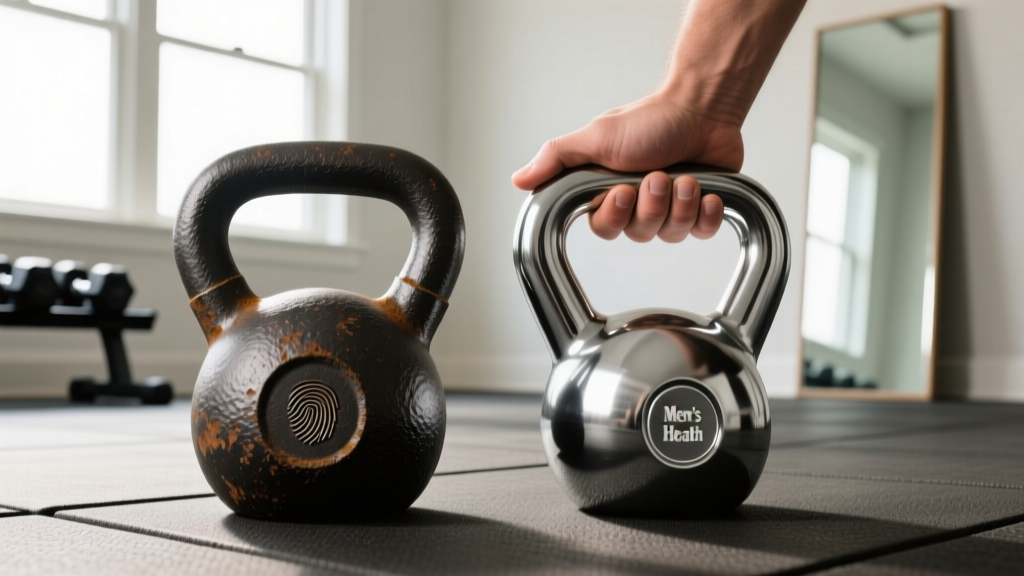
Cast Iron vs Competition Kettlebells: Dumbbell Lateral Squats Guide

Wide Grip Dumbbell Row Safety: Barbell Collars and Clamps Compared
