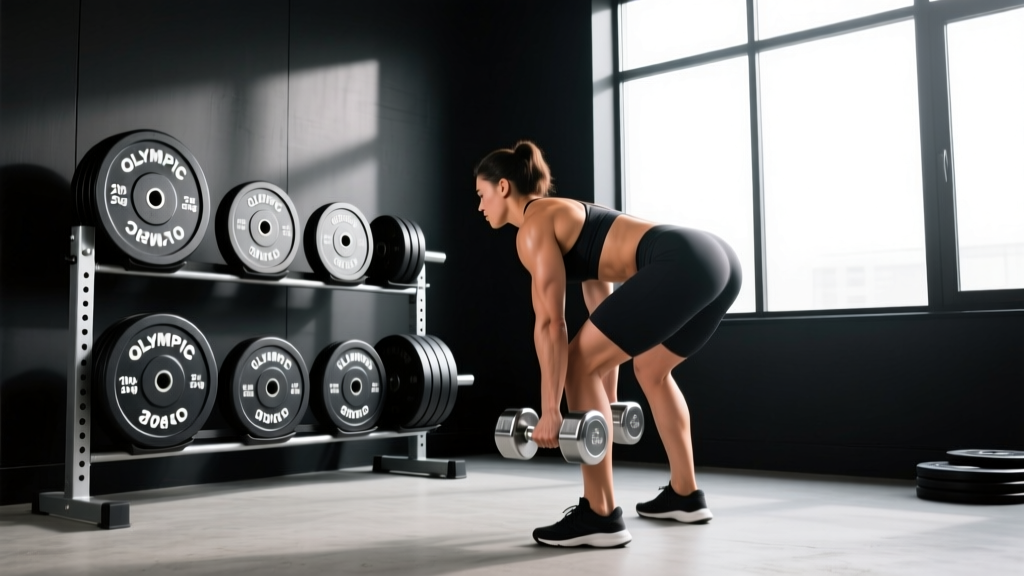
Rack Care & Storage for a Complete Shoulder Workout with Dumbbells
Learn how to organize and maintain your dumbbell rack to optimize flow for a complete shoulder workout with dumbbells while maximizing equipment lifespan.

The Hidden Link Between Rack Organization and Shoulder Hypertrophy
When programming a complete shoulder workout with dumbbells, the focus is almost exclusively on biomechanics, volume, and progressive overload. However, one of the most overlooked variables in both commercial and home gyms is the physical storage and maintenance of the equipment itself. A well-maintained, logically organized dumbbell rack is not just about aesthetics; it is a critical component of workout flow, safety, and equipment longevity.
Shoulder hypertrophy requires drastic weight jumps. You might be pressing 50-pound dumbbells for overhead work, only to drop down to 15-pound dumbbells for lateral raises, and finally 10-pound dumbbells for rear delt flyes. If your rack is disorganized, or if the tiers are suffering from structural degradation and rust, you risk breaking your superset flow, straining your lumbar spine during awkward pickups, and accelerating the wear and tear on your investment. This guide bridges the gap between intelligent rack storage for shoulder day and the rigorous maintenance protocols required to keep your free weights and racks in pristine condition for decades.
Tiered Storage: Organizing for Drop Sets and Supersets
To execute a seamless complete shoulder workout with dumbbells, your rack layout must align with human biomechanics. Picking up heavy dumbbells from the floor or reaching awkwardly for light weights is a primary cause of lower back strain in home gyms. According to ergonomic lifting standards, the heaviest weights should be stored at mid-thigh to waist height, while lighter weights can be stored on the top or bottom tiers.
| Shoulder Exercise | Typical Weight Range | Optimal Rack Tier | Ergonomic Rationale |
|---|---|---|---|
| Seated/Standing Overhead Press | 35 lbs - 70+ lbs | Middle Tier (Waist Height) | Allows for a safe, neutral-spine deadlift pickup to clean the weights to the shoulders. |
| Arnold Press / Upright Rows | 20 lbs - 45 lbs | Middle or Bottom Tier | Keeps the center of gravity close to the body during the initial lift-off. |
| Lateral Raises (Drop Sets) | 10 lbs - 25 lbs | Top Tier (Chest Height) | Prevents lumbar flexion when grabbing lighter weights for high-rep isolation burnouts. |
| Rear Delt Flyes / Front Raises | 5 lbs - 15 lbs | Top Tier | Easy grab-and-go access without bending over between supersets. |
Routine Maintenance: Preventing Rack and Dumbbell Degradation
Even the best-organized rack will fail if the underlying materials are neglected. The environment of a home or garage gym is notoriously harsh on steel and polyurethane. Here is your comprehensive maintenance framework.
Weld and Joint Inspections
Most high-quality racks, such as the Rogue 3-Tier Dumbbell Rack, are constructed from 11-gauge steel and feature robust MIG or TIG welds. However, repetitive loading and unloading of heavy dumbbells (especially if users drop them onto the tiers rather than placing them down) creates micro-fractures in the weld zones over time.
- Quarterly Check: Run a gloved hand along the underside of the weld joints. Look for hairline cracks or flaking powder coat, which indicates steel flexing.
- Hardware Torquing: If your rack is bolted together (common in modular or A-frame racks), use a torque wrench to check the carriage bolts every six months. Vibration from dropped weights can loosen Grade 8 hardware over time.
Urethane vs. Rubber: Cleaning and UV Protection
The dumbbells themselves require specific care based on their outer coating. As detailed in equipment care guides by Garage Gym Reviews, using the wrong cleaning agents can accelerate the breakdown of the dumbbell heads.
- Virgin Rubber: Prone to drying out and cracking. Avoid bleach or ammonia-based cleaners. Wipe down weekly with a 1:10 dilution of Simple Green and water, followed by a light application of a rubber protectant (like 303 Aerospace Protectant) once a month to prevent UV degradation.
- Polyurethane (Urethane): Highly resistant to sweat and UV rays, but susceptible to hydrolysis if exposed to extreme, unventilated humidity. Clean with a mild dish soap solution and a microfiber cloth. Never use abrasive scrubbers, which will micro-scratch the urethane and trap dirt.
- Chrome Handles: Sweat contains lactic acid and salts that cause galvanic corrosion on chrome. Wipe handles down immediately after your shoulder workout and apply a light coat of 3-in-One oil or specialized barbell oil monthly to displace moisture.
"The lifespan of a dumbbell rack is rarely dictated by the weight it holds, but rather by the corrosive environment it sits in. Controlling ambient humidity and managing sweat runoff are the two most profitable maintenance habits a gym owner can develop."
Environmental Controls: Humidity, Sweat, and Rust Prevention
Garage gyms are particularly vulnerable to seasonal humidity spikes, which can cause flash rusting on bare steel rack components and knurled dumbbell handles. To protect your storage solutions:
- Dehumidification: Maintain ambient humidity below 55%. If your gym is in a garage, a commercial-grade desiccant dehumidifier is a non-negotiable investment.
- Airflow: Position your dumbbell rack away from direct sunlight and exterior doors where condensation forms. Ensure at least 12 inches of clearance behind the rack for air circulation.
- Sweat Runoff Management: Place a heavy-duty horse stall mat or a specialized rubber drip tray beneath the rack. Sweat dripping from the top tier down to the bottom tier accelerates corrosion on the lower crossmembers.
Top Tier Rack Recommendations for Longevity
If your current storage solution is failing, upgrading to a commercial-grade rack is essential for heavy shoulder training. Based on current market standards and structural integrity, here are the top contenders:
1. Rogue 3-Tier Dumbbell Rack (Horizontal)
Price: ~$495.00
Specs: 11-gauge steel, 3x3-inch uprights, 1,000 lb total capacity.
Longevity Verdict: The gold standard. The 11-gauge steel and proprietary powder coat make it virtually impervious to standard gym wear and tear. The horizontal layout is ideal for picking up heavy dumbbells safely during overhead presses.
2. Rep Fitness 5-Tier Dumbbell Rack
Price: ~$349.00
Specs: 14-gauge steel, angled tiers, holds 5-50 lb pairs.
Longevity Verdict: Excellent value for high-volume home gyms. The angled tiers make reading the weight numbers easy, which is crucial when rapidly switching weights during a drop set. Note that 14-gauge steel is slightly thinner than Rogue's 11-gauge, so avoid dropping weights violently onto the trays.
3. Bells of Steel A-Frame Dumbbell Rack
Price: ~$149.00
Specs: Compact footprint, holds up to 10 pairs.
Longevity Verdict: Best for space-constrained environments. The A-frame design distributes weight to the floor efficiently, but the lower footprint means you will be bending down more often to retrieve heavy weights, which requires strict attention to hip-hinge mechanics to protect your lower back.
Frequently Asked Questions
How often should I clean my dumbbells and rack?
For a home gym used by 1-2 people, wipe down the dumbbell handles with a dry microfiber cloth after every use. Perform a deep clean of the rack tiers and dumbbell heads with a diluted Simple Green solution once a month. If you run a commercial facility, daily sanitization is required to prevent bacterial buildup and accelerated material degradation.
Can I store my dumbbell rack outside or in an uninsulated shed?
No. Even with a premium powder coat and urethane dumbbells, extreme temperature fluctuations cause condensation inside the metal tubing and promote hydrolysis in the dumbbell heads. Always store your rack in a climate-controlled or properly insulated environment.
Does rack organization really impact a complete shoulder workout with dumbbells?
Absolutely. Shoulder training requires high metabolic output and precise weight selection. A disorganized rack forces you to rest longer while searching for weights, ruining the density of your workout. Furthermore, storing heavy weights too low forces repetitive, fatigued lumbar flexion, increasing the risk of a herniated disc before you even begin your first set of presses.
More gear to consider
All reviews
Power Rack vs Squat Rack vs Stand: Incline Dumbbell Curl Setup
Adjustable Dumbbells in Gym: 2026 Comparison & Troubleshooting

Shoulder Workout with Dumbbells at Home: The Barbell Upgrade Guide

Upgrading Your Squat Workout With Dumbbells: Barbell Collar Guide

Best Neoprene Sets to Curl 50 lb Dumbbells at Home (2026 Guide)