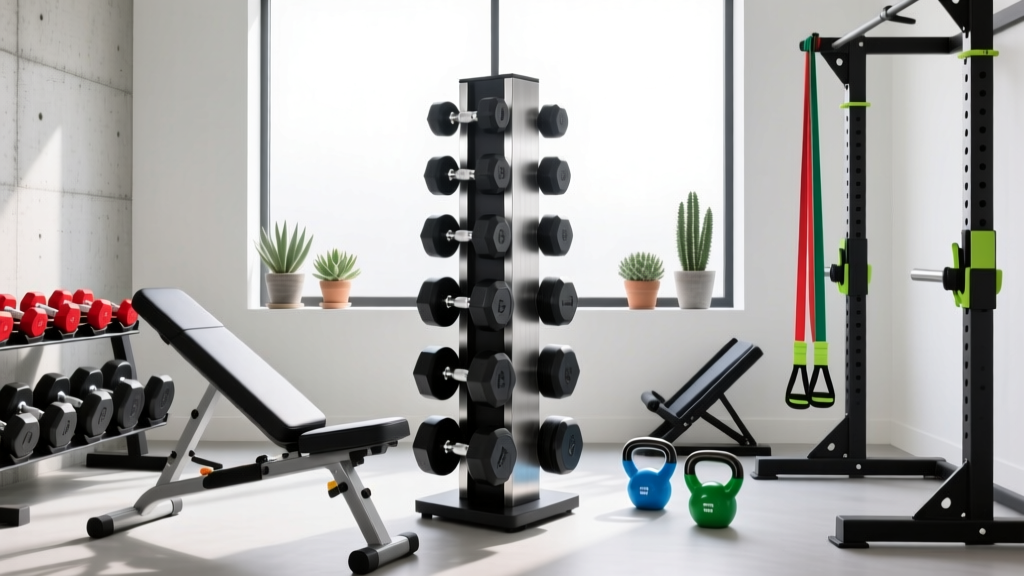
Stop Punching With Dumbbells: Rubber Hex vs Urethane Maintenance
Discover why punching with dumbbells ruins equipment and joints. Compare rubber hex vs urethane dumbbell maintenance, longevity, and care tips.

The Biomechanical Hazard: Why Punching With Dumbbells Destroys Equipment
If you have ever considered punching with dumbbells to add resistance to your shadowboxing or cardio routines, you need to stop immediately—especially if you are holding anything heavier than a 3-pound neoprene-coated weight. While fitness influencers occasionally promote weighted punches, performing ballistic striking movements with standard 10-pound to 50-pound rubber hex or urethane dumbbells is a catastrophic mistake for both your rotator cuffs and your equipment.
According to biomechanical guidelines referenced by the American Council on Exercise (ACE), the rapid deceleration required at the end of a punch places extreme shear force on the elbow and shoulder joints. But from an equipment longevity standpoint, the damage is equally severe. Dumbbells are engineered to withstand vertical compressive forces (like being dropped on a rubber mat) and static tensile loads. They are not engineered to withstand horizontal rotational torque.
⚠️ Equipment Warning: When you punch with a 15 lb rubber hex dumbbell, the sudden stopping force multiplies the shear torque on the handle-to-head junction. This rapidly loosens bolted heads, snaps internal welds, and causes the rubber or urethane coating to tear away from the steel core. Once the seal is broken, sweat and oxygen will rust the core from the inside out, rendering the dumbbell useless within months.Because punching with dumbbells introduces catastrophic shear torque, understanding how your dumbbell heads are attached to the handle—and how the exterior coating withstands environmental stress—is critical for any home or commercial gym owner. This brings us to the ultimate durability and maintenance showdown: rubber hex dumbbells vs. urethane dumbbells.
Rubber Hex Dumbbells: Vulnerabilities, Failure Modes, and Care
Rubber hex dumbbells are the undisputed workhorses of budget-friendly home gyms. Typically priced between $1.25 and $2.25 per pound in 2026, they offer excellent floor protection and anti-roll geometry. However, vulcanized rubber is a porous, organic-based material that requires specific maintenance to prevent premature degradation.
Common Failure Points in Rubber Hex Models
- UV and Ozone Cracking: Exposure to direct sunlight or ozone-generating equipment (like certain air purifiers or treadmills with high-friction belts) causes the chemical bonds in vulcanized rubber to break down. This manifests as microscopic surface cracks that eventually lead to chunking and flaking.
- Outgassing and Odor Retention: Lower-tier rubber dumbbells made from recycled tire rubber contain volatile organic compounds (VOCs). If not properly maintained and ventilated, they will permanently stink up a home gym.
- Sweat Acidity Degradation: Human sweat has a pH ranging from 4.5 to 7.0. Over time, the acidic salts in dried sweat eat into the matte finish of cheap rubber, leaving a permanent, sticky residue that attracts dust and degrades the material.
The Rubber Hex Maintenance Protocol
To maximize the lifespan of rubber hex dumbbells (such as the popular CAP Barbell or Yes4All lines), you must avoid harsh chemical degreasers. Products like undiluted Simple Green or bleach-based cleaners will strip the protective factory wax layer, accelerating dry rot.
- Weekly Cleaning: Wipe down handles and heads with a microfiber cloth dampened with a 10:1 water-to-white-vinegar solution. This neutralizes acidic sweat salts without damaging the rubber.
- Monthly UV Protection: For dumbbells stored in rooms with high sun exposure, apply a light coat of 303 Aerospace UV Protectant. This acts as a synthetic sunscreen for the rubber, preventing ozone cracking and keeping the black finish deep and matte.
- Handle Care: If your rubber hex dumbbells feature bare steel knurled handles, wipe them with a light coating of 3-in-One oil or mineral oil monthly to prevent oxidization and rust.
Urethane Dumbbells: The Premium Standard for High-Traffic Longevity
Urethane (polyurethane elastomer) is the gold standard for commercial gyms and high-end home setups. Priced at a premium—typically $4.00 to $6.50+ per pound—urethane dumbbells like the Rogue Urethane Series or REP Fitness U-Series are engineered for extreme abuse. Unlike rubber, urethane is a synthetic polymer that is entirely non-porous and highly resistant to environmental factors.
Why Urethane Survives Where Rubber Fails
Urethane boasts a durometer hardness rating typically between 85A and 90A. This makes it dense enough to absorb the shock of heavy drops without deforming, yet elastic enough to prevent shattering. Crucially, urethane is impervious to the acidic corrosive nature of human sweat. It will not absorb odors, it does not off-gas VOCs, and it is entirely immune to UV-induced dry rot.
Urethane Failure Modes and Edge Cases
While urethane is nearly indestructible under normal lifting conditions, it is not immune to damage. The primary failure mode for urethane is gouging. Because urethane is harder than rubber, dragging it across the rough diamond knurling of a barbell or the sharp steel edges of a poorly designed dumbbell rack will slice the surface. Once a deep gouge occurs, moisture can reach the steel core.
Furthermore, while urethane resists torque better than rubber due to advanced overmolding techniques (where the liquid urethane is injected directly around a forged steel core under high pressure), the extreme shear forces generated by punching with dumbbells will still eventually compromise the steel-to-polymer bond, leading to a loose, rattling head.
The Urethane Maintenance Protocol
- Sanitization: Urethane can handle commercial gym disinfectants, but you should avoid alcohol-based wipes (like standard Lysol or Clorox wipes). Isopropyl alcohol acts as a mild solvent that, over years of daily use, will leach the plasticizers out of the urethane, causing it to become brittle and chalky.
- Safe Cleaning Agents: Use a mild dish soap (like Dawn) mixed with warm water, or a quaternary ammonium-based gym wipe. Spray the cloth, not the dumbbell, to prevent liquid from seeping into the handle junction.
- Rack Inspection: Ensure your dumbbell rack has UHMW (Ultra-High Molecular Weight) polyethylene liners on the shelves. Bare steel racks will gouge urethane heads within weeks of heavy use.
Longevity Matrix: Rubber Hex vs. Urethane
When deciding where to allocate your equipment budget, refer to this head-to-head longevity and maintenance matrix.
| Feature | Rubber Hex (Virgin/Premium) | Urethane (Commercial Grade) |
|---|---|---|
| Average Cost (2026) | $1.50 - $2.50 / lb | $4.00 - $6.50 / lb |
| Durometer Hardness | 75A - 80A (Softer) | 85A - 90A (Denser) |
| UV & Ozone Resistance | Low (Requires UV protectant) | High (Impervious to sunlight) |
| Sweat/Acid Resistance | Moderate (Can degrade over time) | Excellent (Non-porous) |
| Odor / Off-gassing | Moderate to High (First 30 days) | None (Zero VOCs) |
| Torque Tolerance | Low (Prone to head loosening) | Moderate (Overmolded core) |
| Expected Lifespan | 5 - 8 Years (Home Gym) | 15+ Years (Commercial) |
Protecting Your Investment: The Final Word on Dumbbell Abuse
Whether you opt for the budget-friendly utility of rubber hex or invest heavily in a commercial urethane set, the rules of longevity remain rooted in physics and chemistry. Free weights are precision-balanced instruments designed for controlled, linear force paths.
As the National Strength and Conditioning Association (NSCA) frequently notes in their equipment safety guidelines, using resistance tools outside their engineered parameters voids warranties and accelerates material fatigue. Punching with dumbbells introduces violent, multi-planar shear forces that no amount of urethane overmolding or rubber vulcanization can indefinitely withstand. If you want to add resistance to your striking routines, invest in specialized weighted gloves or cable-resistance shadowboxing systems.
By keeping your dumbbells on the rack or in your hands during controlled lifts, wiping down acidic sweat with pH-neutral cleaners, and storing them away from direct UV light and bare-steel rack edges, your free weights will easily outlast your fitness journey. Treat your gear with the same respect you demand from your training, and it will serve you for decades.
More gear to consider
All reviews
Barbell Rack Setup: Knurling & What Muscles Do Dumbbell Press Work

Cast Iron vs Competition Kettlebells: Beyond the Crystal Dumbbell
Collar & Clamp Types: Safe Gear for a Full Dumbbell Chest Workout

Space-Saving Kettlebells & Chest Supported Dumbbell Row Alternative
EZ Bar vs Straight Bar: Upgrading Your Dumbbell Arm Workout