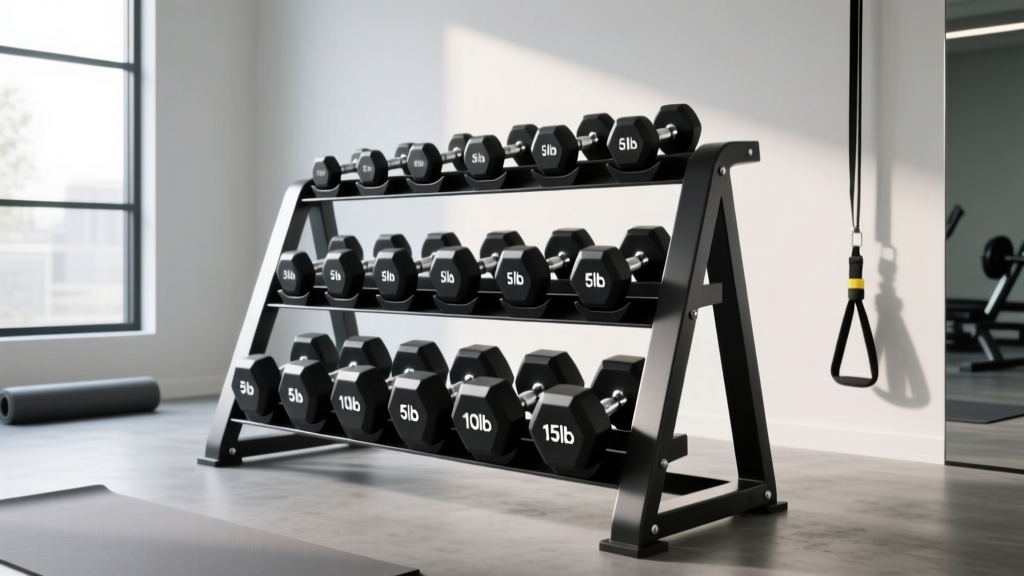
Lying Dumbbell Pullover Muscles Worked: Rubber vs Urethane Care
Explore the lying dumbbell pullover muscles worked while comparing rubber hex vs urethane dumbbells. Learn expert maintenance tips for longevity.

When building a home gym or outfitting a commercial facility in 2026, the debate between rubber hex dumbbells and urethane dumbbells often centers on upfront costs and odor. However, from a maintenance and longevity perspective, the differences are profound—especially when subjected to the unique mechanical stresses of specific exercises.
Take, for instance, the biomechanics of the lying dumbbell pullover. When analyzing the lying dumbbell pullover muscles worked—primarily the latissimus dorsi, pectoralis major (sternal head), serratus anterior, and the long head of the triceps—lifters must grip a single heavy dumbbell by its inner plates. This 'diamond grip' places immense, localized shear stress on the coating of the dumbbell heads. If your equipment is not properly maintained, or if you have chosen the wrong material for this specific movement, you risk catastrophic coating failure, exposed rusted cores, and severe hand lacerations.
Material Science: Rubber Hex vs. Urethane Coatings
To understand maintenance, we must first understand the polymers and how they react to physical stress and environmental factors over a 5-to-10-year lifespan.
Virgin and Recycled Rubber
Rubber hex dumbbells (typically priced between $1.50 and $2.20 per pound in 2026) are manufactured using vulcanized rubber. While cost-effective, rubber is highly susceptible to environmental degradation. The vulcanization process introduces sulfur cross-links that, over time, break down when exposed to UV light, ozone, and the acidic pH of human sweat.
Thermoset Polyurethane (Urethane)
Urethane dumbbells (ranging from $3.80 to $5.50+ per pound) are cast from thermoset polyurethane. As noted in material comparisons by commercial suppliers like Rogue Fitness, urethane boasts a higher Shore A hardness (typically 85A-90A) and is virtually impervious to UV degradation and sweat corrosion. It does not rely on sulfur cross-links, meaning it will not dry-rot or chalk over time.
The Pullover Stress Test: Why Coating Integrity Matters
According to the exercise biomechanics database ExRx, the lying dumbbell pullover requires a specific hand placement where the thumbs and index fingers wrap around the top inside edges of the dumbbell heads. The equipment you choose dictates how this stress is absorbed:
- The Rubber Hex Failure Mode: The sharp 90-degree corners of hex rubber dumbbells act as stress concentrators. When gripped tightly during heavy pullovers, the rubber can micro-tear. Over months of use, these micro-tears expand, eventually peeling back to expose the cast iron core.
- The Urethane Advantage: Urethane dumbbells usually feature rounded, contoured heads. The material's high tear strength (often exceeding 400 lbs per inch) means it can withstand the shearing force of a heavy pullover grip without delaminating.
Step-by-Step Maintenance Protocols for 2026
Proper care extends the lifespan of your free weights by decades. However, rubber and urethane require entirely different chemical approaches.
1. The Cleaning Matrix
| Material | Approved Cleaners | Strictly Avoid | Frequency |
|---|---|---|---|
| Rubber Hex | Mild dish soap, 5% white vinegar solution, dedicated gym wipes | Bleach, ammonia, Simple Green, alcohol-based sanitizers | After every use |
| Urethane | Simple Green (10:1 dilution), 70% isopropyl alcohol, mild detergents | Acetone, MEK (Methyl Ethyl Ketone), abrasive steel wool | After every use |
Expert Insight: Never use degreasers like undiluted Simple Green on rubber hex dumbbells. These cleaners strip the natural oils and plasticizers from the vulcanized rubber, accelerating the dry-rot process and causing the hex edges to crumble under grip pressure.
2. Deep Cleaning and Chalk Removal
If you use liquid or block chalk during heavy pullovers to maintain your grip, the chalk will accumulate in the knurling of the handles and the embossed logos on the heads.
- Prepare the Solution: Mix warm water with a teaspoon of mild dish soap.
- Agitate: Use a stiff nylon-bristle brush (never wire) to scrub the knurling and the corners of the hex heads.
- Extract: Wipe away the chalk slurry with a dry microfiber towel immediately to prevent moisture from seeping into the collar junction.
- Protect (Rubber Only): Every six months, apply a light coat of 303 Aerospace Protectant to rubber dumbbells. This replaces lost plasticizers and restores UV resistance.
Handle Knurling and Collar Junction Care
The longevity of a dumbbell isn't solely dependent on its rubber or urethane heads; the steel handle and collar junction are equally critical. During a lying dumbbell pullover, your grip is split: the thumbs and index fingers wrap the inner plates, while the lower fingers wrap the knurled steel handle to stabilize the weight.
Knurling Care: Dead skin, sebum, and chalk pack into the knurling valleys, creating a breeding ground for bacteria and trapping moisture against the steel. For chrome-finished handles, use a brass wire brush (softer than chrome, so it won't scratch) once a month to dig out debris, followed by a wipe-down with 3-in-One oil to prevent flash rusting. For black oxide handles, avoid oiling, as it makes the grip dangerously slippery during overhead or pullover movements; instead, use a stiff nylon brush and a light WD-40 wipe, followed by a dry towel.
The Collar Junction: The seam where the steel handle meets the rubber or urethane head is the most vulnerable point for moisture ingress. When wiping down your dumbbells, never spray cleaner directly onto the heads. Spray the microfiber towel first. Direct spraying forces liquid into the collar seam, bypassing the coating and attacking the internal iron core.
Inspecting for 'Rust-Jacking' and Core Exposure
The greatest threat to any coated dumbbell is internal oxidation, a phenomenon known in the industry as 'rust-jacking.' When the rubber or urethane coating is compromised—often at the seam where the head meets the steel handle—moisture and chlorides from sweat reach the cast iron core.
As the iron oxidizes, it forms iron oxide (rust). Iron oxide occupies roughly 60% more volume than the original iron. This expansion creates immense internal hydraulic pressure, which literally pushes the rubber or urethane coating off the core from the inside out. Once you see a brown stain bleeding through a micro-crack in your rubber hex dumbbell, the structural integrity is already compromised.
⚠️ SAFETY WARNING FOR PULLOVERS: Before performing heavy lying dumbbell pullovers, always inspect the inner top edges of the dumbbell heads. If you feel any sharp flakes of rubber lifting, or if you see exposed iron, retire the dumbbell from pullover use immediately. A slipping grip due to crumbling rubber can result in the dumbbell dropping onto your face or teeth.Environmental Storage Controls
Longevity is not just about cleaning; it is about environmental control.
- UV Exposure: Keep rubber hex dumbbells out of direct sunlight. UV radiation breaks down the polymer chains, leading to 'chalking' (a white, powdery residue) and severe brittleness.
- Humidity Levels: Maintain your gym space below 60% relative humidity. High humidity accelerates the oxidation of the steel handles and the internal cast iron cores, particularly in cheaper imported dumbbells where the collar welds are porous.
- Temperature Swings: Avoid storing dumbbells in uninsulated garages where temperatures swing from freezing to over 90°F. Thermal expansion and contraction will weaken the adhesive and mechanical bonds between the steel handle and the rubber head.
Frequently Asked Questions
Can I use the same grip for pullovers on both rubber and urethane dumbbells?
Yes, but the tactile experience differs. Urethane's higher Shore A hardness provides a firmer, more secure grip that won't compress and slip under heavy loads. Rubber compresses more, which can cause the hands to slide toward the center of the handle during the eccentric (lowering) phase of the pullover.
How do I fix a torn rubber hex dumbbell edge?
You cannot permanently repair torn vulcanized rubber. While some attempt to use superglue or marine epoxy, these adhesives do not flex with the rubber and will fail under the compressive forces of a heavy grip. If the core is exposed, wrap the head in heavy-duty grip tape as a temporary measure, but plan to replace the dumbbell.
Is urethane worth the premium for a home gym?
If you frequently perform exercises that require gripping the dumbbell heads (like pullovers, goblet squats, or renegade rows), urethane is absolutely worth the $2.00+ per pound premium. The elimination of off-gassing odors and the guarantee that the coating will not crumble onto your floor over a 10-year lifespan makes it the superior long-term investment.
More gear to consider
All reviews
Bent Over Dumbbell Reverse Fly: Best Loadable Picks 2026
Olympic vs Standard Plates: Upgrading Your Side Bend Dumbbell Setup

Bumper vs Iron Plate Care & Dumbbell 5 kg Maintenance

Best Adjustable Dumbbells for Dumbbell Workouts for Traps
Space Optimization: Loadable Plates and Wrist Curls with Dumbbells