
Prone Dumbbell Row Safety: Maintaining Loadable Dumbbells
Master the prone dumbbell row safely. Learn expert maintenance tips for loadable dumbbells, collar security, and knurling care to ensure longevity.

The Biomechanics of the Prone Dumbbell Row and Equipment Stress
The prone dumbbell row—often referred to as the chest-supported incline row—is a staple hypertrophy movement for isolating the latissimus dorsi, rhomboids, and rear deltoids. By bracing the chest against an incline bench, lifters eliminate lower-back momentum, forcing the target muscles to move the load through a strict, controlled range of motion. According to biomechanics analyses featured in Stronger By Science, this strict isolation places immense, sustained sheer force on the grip and the structural integrity of the dumbbell itself.
When utilizing a loadable dumbbell with interchangeable plates, the stakes for equipment maintenance are exponentially higher than with fixed-weight rubber hex dumbbells. During the concentric pulling phase of a heavy prone row, the dumbbell experiences rotational torque and sudden deceleration at the peak contraction. If the collar locking mechanism is compromised, or if the knurling is degraded by sweat corrosion, the dumbbell can slip from your grip or the plates can shift catastrophically. Proper maintenance is not just about longevity; it is a critical safety protocol.
⚠️ Safety Warning: Never perform heavy prone dumbbell rows with loadable handles using standard spring collars or worn spin-lock threads. The rotational torque of a unilateral row can easily backspin a loose collar, leading to plate shedding and severe foot or floor injuries.Top Loadable Dumbbell Systems: Maintenance Profiles
Not all loadable dumbbell handles are engineered equally. The maintenance required to keep them secure during heavy back training depends heavily on the locking mechanism and the metallurgy of the handle. Below is a breakdown of the most popular systems on the market in 2026 and their specific care requirements.
| Brand / Model | Locking Mechanism | Avg. Price (Pair) | Primary Maintenance Focus |
|---|---|---|---|
| Ironmaster Quick-Lock V2 | Lever-Lock / Screw Pin | $459.00 | Thread lubrication, pin O-ring inspection |
| Titan Fitness 2" Olympic | Spin-Lock with Polyurethane | $89.00 | Thread cleaning, collar O-ring replacement |
| Bells of Steel Loadable | Spin-Lock / Clamp Hybrid | $119.00 | Knurling rust prevention, clamp tension |
| Yes4All Standard Threaded | Standard Threaded Spin-Lock | $45.00 | Frequent thread degreasing, star-nut care |
Step-by-Step Maintenance Routine for Interchangeable Plates
To ensure your loadable dumbbells can withstand the rigorous demands of the prone dumbbell row, you must implement a strict maintenance schedule. The following protocol addresses the three most common failure points: knurling degradation, collar slippage, and plate rattle.
1. Knurling and Grip Care (Crucial for Rowing)
During a heavy prone row, your grip is the only point of contact transferring force to the lats. Sweat is highly acidic and, when left to dry in the valleys of a knurled handle, it accelerates oxidation (rust). According to the metallurgical care guidelines established by Rogue Fitness, bare steel and black oxide finishes require significantly more upkeep than zinc or chrome plating.
- Post-Workout: Use a stiff nylon bristle brush (never wire, as it will strip zinc or chrome coatings) to aggressively brush out chalk, dead skin, and sweat from the knurling.
- Weekly: Apply 3 to 5 drops of 3-IN-ONE oil or a specialized mineral oil across the knurling. Work it in with the nylon brush, then wipe the handle down with a microfiber cloth. This leaves a microscopic protective barrier that prevents oxidation without making the handle slippery during your next rowing session.
2. Collar and Threading Lubrication
The locking collar is the most critical safety component on a loadable dumbbell. If the threads are clogged with chalk dust or metal shavings, the collar will not seat fully, leaving a dangerous gap that allows plates to shift during the eccentric lowering phase of the row.
- Disassemble: Remove all plates and unscrew the collars completely from the handle sleeves.
- Clean Threads: Use a brass wire brush (safe for steel threads) or a toothbrush with isopropyl alcohol to scrub the male and female threads.
- Inspect O-Rings: Many modern spin-lock collars (like those from Titan Fitness) utilize rubber O-rings to create friction and prevent back-spinning. If these O-rings are flattened, cracked, or missing, replace them immediately with standard hardware store metric O-rings (usually M45 or M50 depending on the sleeve diameter).
- Lubricate: Apply a light coat of white lithium grease to the threads. Avoid WD-40, as it is a solvent and will strip away necessary friction, causing the collar to unspin during rotational movements.
3. Plate Tolerance and Rattle Reduction
Interchangeable cast iron and steel plates often have slight machining variances. When performing a prone dumbbell row, the sudden stop at the top of the movement can cause plates with poor tolerances to "clack" together. Over time, this micro-impact chips the paint, degrades the iron, and creates a distracting noise that ruins mind-muscle connection.
💡 Pro-Tip: The Shim Washer TrickIf your loadable dumbbell plates rattle even when the collar is tightened, purchase a pack of 1mm rubber or nylon shim washers. Place one shim between each metal plate before tightening the collar. This absorbs the kinetic shock of the row, completely silences the dumbbell, and prevents the paint from chipping off your interchangeable plates.
Troubleshooting Common Failure Modes During Heavy Rows
Even with meticulous care, loadable dumbbells experience wear and tear. Recognizing the early signs of equipment fatigue can prevent mid-set failures.
Stripped Threads and Cross-Threading
If you frequently load and unload plates in a hurry, you may accidentally cross-thread the spin-lock collar. This feels like a "grinding" sensation when tightening. Do not force it. Forcing a cross-threaded collar will strip the male threads on the handle sleeve, effectively ruining a $50 to $100 dumbbell handle. Always start threading the collar backward (counter-clockwise) until you feel a subtle "click" as the threads align, then spin it clockwise to tighten.
Lever-Lock Pin Slippage (Ironmaster Systems)
The Ironmaster Quick-Lock system is widely considered the gold standard for loadable dumbbells due to its square-block locking mechanism. However, if the locking screw pin is not tightened with the included Allen wrench to the proper torque, the square block can wiggle. During a heavy prone row, this wiggle creates a false sense of security. Always use the wrench to secure the pin—finger-tightening is insufficient for heavy unilateral pulling.
Sleeve Stretching on Olympic Handles
Cheap, hollow-core Olympic loadable handles can suffer from "sleeve stretch" or bending if dropped on their ends. A bent sleeve will prevent plates from sitting flush, creating a dangerous lever arm that can snap the collar off during a row. Always inspect the sleeve by rolling the bare handle across a flat floor. If it wobbles, the steel has yielded and the handle must be retired.
Summary: Building a Longevity Mindset
The prone dumbbell row is an unforgiving exercise that exposes every weakness in your equipment and your physique. By investing in high-quality loadable dumbbells and adhering to a strict maintenance protocol—brushing the knurling, greasing the threads, and shimming the plates—you ensure that your gear remains safe, quiet, and durable for decades. Treat your interchangeable plates and handles with the same respect you apply to your training programming, and they will support your back-building goals without fail.
More gear to consider
All reviews
Barbell Collar Types & One Dumbbell Exercises Guide

Ivanko Dumbbell Setup & Adjustable Systems Compared
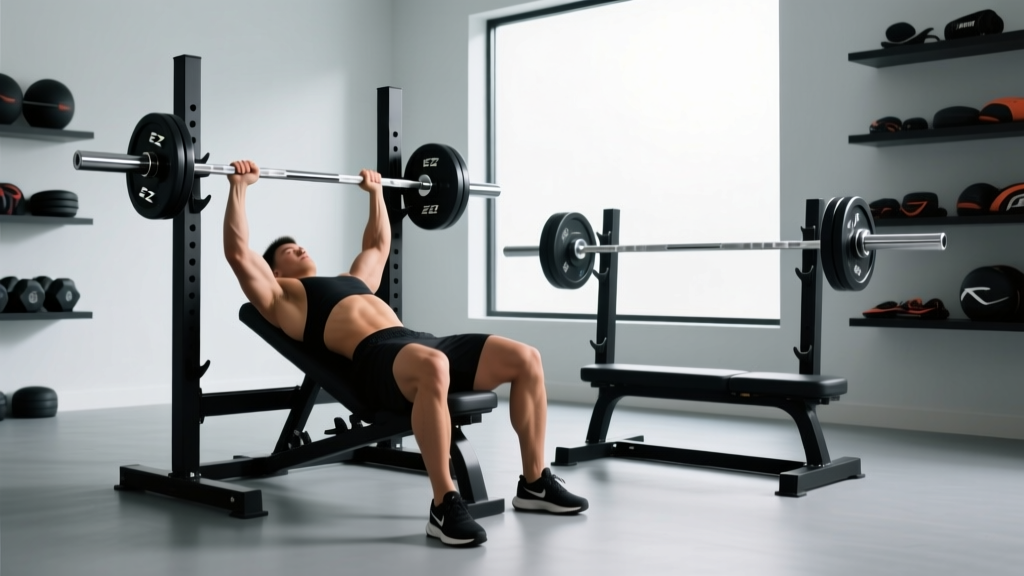
EZ Bar vs Straight Bar: Incline Dumbbell Press Machine Pairings
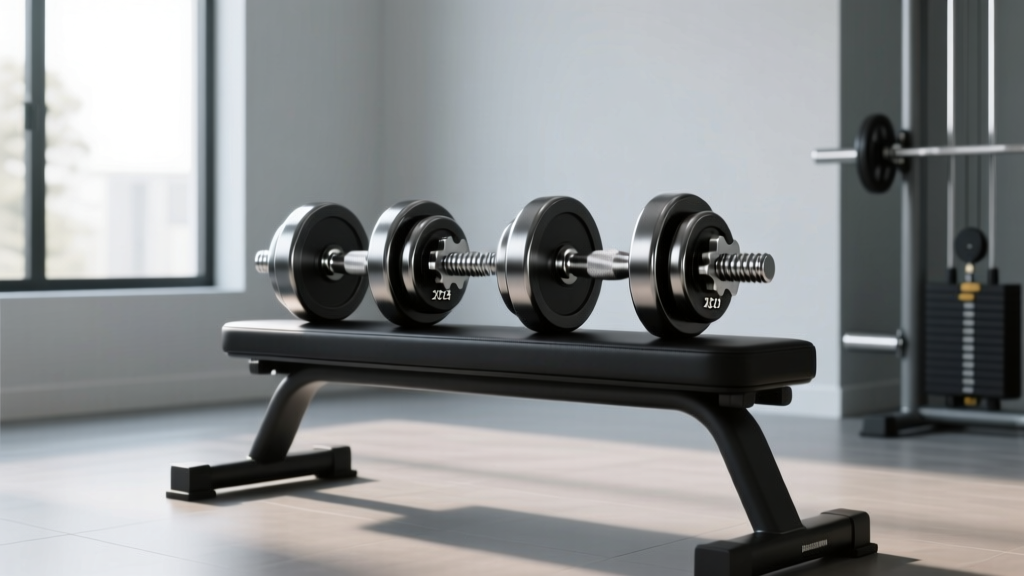
2026 Adjustable Dumbbell Review: Setup for Flat Dumbbell Flyes

Barbell Collar Types Comparison & Incline Dumbbell Press GIF Guide
