Power Rack vs Squat Rack vs Stand: Room for Yoga With Dumbbells
Compare power racks, squat racks, and stands for 2026 home gyms. Maximize floor space for heavy lifting and yoga with dumbbells with our footprint guide.

The 2026 Hybrid Home Gym Dilemma: Heavy Lifts Meets Mindful Mobility
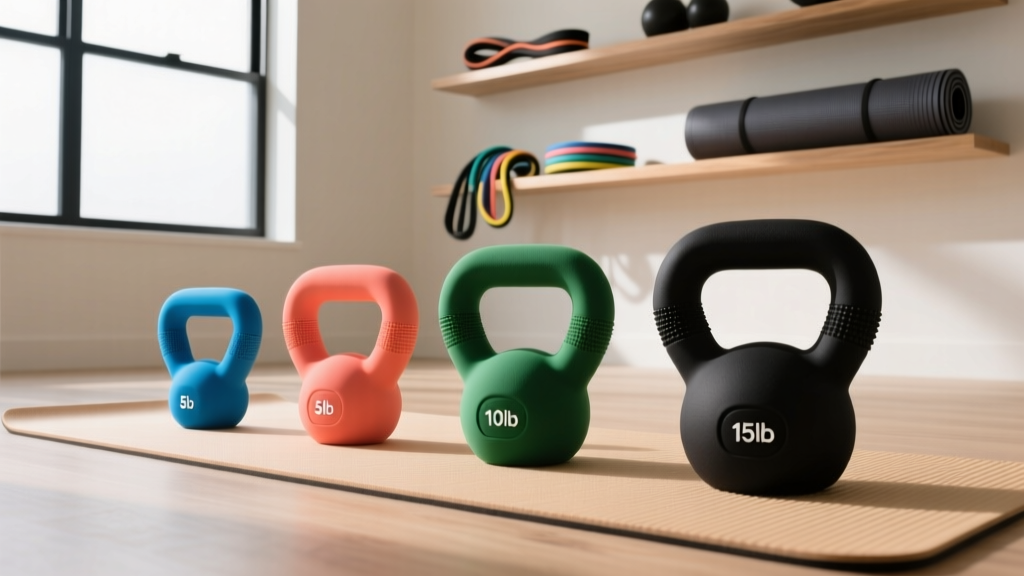
As we navigate the home fitness landscape of 2026, the 'hybrid athlete' model has completely taken over. Gone are the days when a home gym was strictly a dungeon for heavy barbell grinding. Today's most effective training spaces must seamlessly transition from maximal effort squats to active recovery, mobility work, and weighted flow routines. One of the most popular recovery and stability protocols we are seeing is practicing yoga with dumbbells—using light neoprene or urethane hex bells (typically 5 to 15 lbs) to add resistance to Warrior poses, deepen hip openers, and challenge shoulder stability during sun salutations.
However, the anchor of any serious home gym—the barbell rack—poses a massive spatial challenge. If you are trying to fit a power rack, a squat rack, or a squat stand into a standard 10x10 or 12x12 spare room, you are playing a high-stakes game of Tetris. The footprint of your rack directly dictates whether you have the lateral clearance to unroll a 72x36-inch yoga mat and move freely without clipping a loaded barbell sleeve or knocking over a dumbbell tree.
In this in-depth buying guide, we break down the architectural realities of power racks vs. squat racks vs. squat stands, analyzing exact dimensions, 2026 pricing, and how each option impacts your ability to maintain a dedicated floor space for yoga with dumbbells.
The Footprint Matrix: Rack Dimensions vs. Mat Space
Before diving into specific models, we need to look at the raw spatial data. The following comparison matrix assumes a standard 10x10-foot (100 sq ft) home gym room, factoring in the necessary 84-inch barbell clearance and the remaining square footage available for a large yoga mat and dumbbell storage.
| Rack Type | Avg Base Footprint | Total Spatial Impact (w/ Barbell) | Safety Profile | 2026 Price Range |
|---|---|---|---|---|
| Full Power Rack | 49' x 49' (16.7 sq ft) | ~42 sq ft (including bar overhang) | Maximum (Full Enclosure) | $899 - $1,800+ |
| Half Rack / Squat Rack | 48' x 24' (8 sq ft) | ~32 sq ft | High (Spotter Arms Required) | $599 - $1,200 |
| Squat Stand | 19' x 15' (2 sq ft) | ~24 sq ft | Moderate (Requires Care) | $299 - $550 |
The Yoga Clearance Rule
When practicing yoga with dumbbells, lateral movements and wide stances (like Goddess Pose or lateral lunges) require a minimum of 36 inches of unobstructed width and 72 inches of length. A full power rack placed in the corner of a 10x10 room will often force your mat dangerously close to the barbell sleeves, creating a tripping hazard during floor transitions.
Full Power Racks: The Fortress (And Spatial Anchor)
A full power rack is the gold standard for safety. If you train alone and push heavy squats or bench presses to failure, a full cage with four uprights and safety straps is non-negotiable. Top-tier models in 2026, like the REP Fitness PR-4000 or the Rogue RM-6 Fortis, offer incredible modularity, including built-in weight storage horns and lat pulldown attachments.
The Spatial Reality
- Dimensions: Typically 49 inches deep and 49 inches wide.
- Weight Capacity: 800 to 1,200 lbs.
- The Yoga Conflict: Because of the depth, a power rack pushed against a wall will protrate nearly 4 feet into the room. Add the 17-inch overhang of a standard Olympic barbell on each side, and you are left with a fragmented floor plan. If your dumbbells are stored on a 3-tier A-frame rack next to the cage, your dedicated mat space is reduced to a narrow corridor, making expansive yoga flows nearly impossible without moving equipment around.
According to extensive stability testing by Garage Gym Reviews, full power racks eliminate the need for floor bolting due to their massive footprint and weight (often exceeding 350 lbs bare). However, this permanence means you cannot easily 'fold it away' when it is time to unroll the mat for a 30-minute mobility session.
Squat Stands: The Minimalist's Dream for Hybrid Training
If your primary goal is to maximize open floor space for bodyweight flows, kettlebell work, and yoga with dumbbells, squat stands are the undisputed champions of spatial efficiency. Squat stands consist of two independent uprights with spotter arms that attach via friction or pin-lock mechanisms.
Model Spotlight: Rogue SML-2 Monster Lite Stand
The Rogue SML-2 remains a benchmark in 2026. Priced around $495, it features 2x3-inch 11-gauge steel uprights and a 19x15-inch base footprint. Weighing in at 115 lbs per pair, they are heavy enough to remain stable during racking, but light enough that you can physically drag them into a corner or a garage when you need to open up the center of the room.
'Squat stands offer the ultimate flexibility for multi-use spaces. The trade-off is safety; you must be meticulous about setting the spotter arms at the correct height and ensuring the stands are perfectly aligned before every heavy set.'
— Equipment Safety Analysis, BarBend
Optimizing the Mat Zone
By utilizing squat stands, you reclaim up to 18 square feet of prime real estate compared to a full cage. This allows you to permanently lay down a high-density 8mm EVA foam mat or a premium 72x36-inch Gorilla Mat in the center of the room. When transitioning to yoga with dumbbells, you simply grab your 5lb or 10lb hex bells from a compact vertical storage rack and begin your flow without feeling boxed in by steel uprights.
Half Racks: The Foldable Compromise
Half racks (or squat racks) sit squarely in the middle. They feature two main uprights and often include a rear crossmember for stability and weight storage. The game-changer for small spaces in 2026 is the wall-mounted foldable rack, such as the PRx Performance Profile Squat Rack or the Titan T-3 Foldable Half Rack.
How Foldable Racks Change the Game
- Deploy for Lifting: Pull the rack out from the wall, lock the safety pins, and execute your heavy barbell compound movements.
- Fold for Mobility: Once the lifting session is over, fold the uprights flat against the wall. The rack's depth shrinks from 24 inches down to a mere 4 inches.
- Open the Floor: This instant reclamation of space allows you to utilize the exact same floor area for your yoga with dumbbells routine, ensuring your mat is never permanently shadowed by a massive steel cage.
The main drawback? Foldable racks generally lack the integrated weight storage of a full cage, meaning you will need to purchase a separate dumbbell rack and plate tree, which must be placed against a different wall to maintain the open floor concept.
Designing the Hybrid Layout: Lifting Meets Flow
To successfully integrate heavy barbell training with mindful mobility work, your equipment layout must be intentional. Here is a step-by-step framework for designing a 10x10 hybrid space in 2026:
Step 1: Anchor the Rack to the Short Wall
Place your squat stand or half rack against the center of the shortest wall. This aligns the 84-inch barbell parallel to the longest walls, leaving the depth of the room open for your mat.
Step 2: Consolidate Dumbbell Storage
Do not use a wide, 3-tier A-frame dumbbell rack; they eat up lateral space. Instead, invest in a vertical dumbbell tower (like the CAP Barbell Vertical Dumbbell Rack, approx. $120). A vertical tower takes up less than 2 square feet of floor space and holds pairs from 5 to 25 lbs—perfect for the light resistance needed for yoga with dumbbells.
Step 3: The Mat Placement
Lay your mat perpendicular to the rack. Ensure there is at least 24 inches of clearance between the end of the barbell sleeves and the edge of your mat. This prevents accidental trips during dynamic transitions, like moving from Downward Dog to a low lunge.
Expert Verdict: Which Should You Buy?
Your choice ultimately hinges on your safety requirements and your dedication to floor-based mobility work.
- Choose a Full Power Rack if: You train alone, frequently lift to failure, have a room larger than 12x14 feet, and are willing to designate a separate, permanent zone for your yoga mat.
- Choose a Squat Stand if: You are outfitting a small apartment gym, prioritize open floor space for expansive yoga with dumbbells flows, and possess the body awareness to safely manage spotter arms on independent uprights.
- Choose a Foldable Half Rack if: You want the best of both worlds—the stability of a crossmember for heavy lifting, and the ability to fold the rig into the wall to create a dedicated, open-concept studio space for mobility and recovery.
By carefully calculating the spatial impact of your rig, you can build a 2026 home gym that supports both your one-rep max ambitions and your daily mobility practice, ensuring no equipment goes to waste and no floor space is left unutilized.
More gear to consider
All reviews
Dumbbell Lat Raise: Beginner's Step-by-Step Form Guide

Olympic vs Standard Plates: Beyond the Hang Clean with Dumbbells

Neoprene Dumbbells Compared: Best for Arms and Chest Exercises

Cast Iron vs Competition Kettlebells & Neck Exercises with Dumbbells

Dumbbell to Barbell Bench Conversion: Squat vs Power Rack