
Bumper vs Iron: Maintenance for a Beginner Dumbbell Workout Plan
Compare bumper vs iron plates for home gyms. Learn essential maintenance, rust prevention, and longevity tips to support your beginner dumbbell workout plan.

The Foundation: Gear Selection for Your Beginner Dumbbell Workout Plan
When transitioning from a purely bodyweight routine to a structured beginner dumbbell workout plan, progressive overload is the ultimate goal. While adjustable dumbbells are fantastic, many home gym owners eventually expand their arsenal to include a barbell, plate-loaded accessories, and a power rack. This evolution forces a critical purchasing decision: should you invest in traditional cast iron plates or modern rubber bumper plates?
Beyond the initial price tag and aesthetic appeal, the true cost of ownership lies in maintenance and longevity. A neglected plate can ruin your barbell sleeves, stain your flooring, and create unsafe lifting conditions. In this comprehensive 2026 guide, we break down the exact maintenance protocols, failure modes, and longevity secrets for both bumper and iron plates, ensuring your home gym remains a safe, functional space for years to come.
Cast Iron Plates: The Traditionalist’s Maintenance Guide
Cast iron plates, such as the Rep Fitness Deep Dish Cast Iron Plates or standard machined Olympic plates, remain the gold standard for durability. Priced between $1.10 and $1.50 per pound in 2026, they are cost-effective and exceptionally dense. However, their primary enemy is oxidation.
Rust Prevention and Surface Care
Iron plates are highly susceptible to humidity. If you live in a coastal area or keep your gym in an unclimate-controlled garage, bare or poorly enameled iron will flash-rust within weeks.
- The Wire Brush Protocol: At the first sign of surface oxidation, use a brass-bristle brush (never steel, which can strip the enamel or zinc coating) to gently remove the rust.
- The 3-IN-ONE Method: Wipe the plates down with a microfiber cloth lightly dampened with 3-IN-ONE Multi-Purpose Oil or a dedicated mineral oil. Avoid WD-40, as it is a solvent and degreaser that will strip existing protective layers and leave a residue that transfers to your hands and barbell knurling.
- Storage: Never leave iron plates directly on concrete floors, as concrete wicks moisture. Store them on a vertical plate tree or rubber matting.
Edge Cases: Paint Flaking and Hub Rattling
Cheaper, non-machined iron plates often suffer from thick, uneven enamel paint that chips away upon impact. This paint flaking creates a slipping hazard on the floor and alters the plate’s calibrated weight over time. Furthermore, lower-tier iron plates may feature pressed-in steel hubs that loosen after repeated loading and unloading, resulting in an annoying metallic rattle. Fix: Apply a drop of cyanoacrylate (super glue) or clear epoxy around the hub seam if it begins to shift.
⚠ The Plate-Loaded Dumbbell WarningIf your beginner dumbbell workout plan utilizes 1-inch or 2-inch spinlock plate-loaded dumbbell handles, never use bumper plates. The thick rubber hub of a bumper plate prevents the spinlock collar from threading fully onto the sleeve. This creates a catastrophic failure risk during movements like dumbbell floor presses or walking lunges, where the plates can slide off mid-rep. Always use machined iron plates for plate-loaded dumbbells.
Bumper Plates: Protecting the Rubber and the Steel Insert
Bumper plates, like the Rogue Fitness Echo Bumpers, are engineered to be dropped. Constructed from virgin or crumb rubber with a steel center insert, they are essential for Olympic lifting and high-intensity functional training. However, they require a completely different maintenance paradigm than iron, with prices ranging from $2.50 to $4.00 per pound.
Environmental Threats: UV and Humidity
While iron rusts, rubber degrades. Prolonged exposure to direct sunlight (UV rays) causes the vulcanized rubber to dry rot, leading to micro-fissures and eventual crumbling.
- UV Protection: Keep bumper plates away from windows or garage doors that receive direct afternoon sun.
- Silicone Conditioning: Every six months, apply a light coat of WD-40 Specialist Water Resistant Silicone Spray to a rag and wipe down the rubber. This restores the rubber’s moisture barrier and prevents it from turning chalky. Do not spray the steel insert, as this will make loading the barbell slippery and dangerous.
- Temperature Control: Extreme cold makes rubber brittle. Dropping a 45lb bumper plate in a 30°F garage dramatically increases the risk of the rubber splitting away from the steel hub.
The Drop Test and Flooring Synergy
According to facility standards outlined by the National Strength and Conditioning Association (NSCA), proper flooring is critical for equipment longevity. Dropping bumper plates directly onto concrete or thin laminate flooring will eventually cause the steel center insert to push entirely through the rubber upon heavy impacts. You must pair bumper plates with high-density EVA foam or crumb rubber stall mats (minimum 3/4-inch thickness) to absorb the kinetic energy and protect the plate’s structural integrity.
Longevity & Upkeep: Iron vs. Bumper Comparison Matrix
| Feature | Cast Iron Plates | Virgin Rubber Bumpers |
|---|---|---|
| Primary Threat | Oxidation (Rust) & Paint Chipping | UV Dry-Rot & Hub Push-Through |
| Routine Maintenance | Monthly oiling & brass brushing | Bi-annual silicone conditioning |
| Dropping Tolerance | Low (Will damage floors and bar sleeves) | High (Requires proper stall mats) |
| Space Efficiency | High (Thin profile, fits more on sleeves) | Low (Thick profile, limits max bar load) |
| Expected Lifespan | 50+ Years (Virtually indestructible) | 5–10 Years (Depending on drop frequency) |
| Avg. Cost (2026) | $1.10 - $1.50 / lb | $2.50 - $4.00 / lb |
A 12-Month Maintenance Calendar for Home Gyms
To maximize the lifespan of your free weights, implement this seasonal maintenance schedule. This is especially crucial if your home gym experiences seasonal humidity shifts.
Spring: The Deep Clean
- Iron: Wipe down all plates with a mild dish soap and water solution to remove winter grime and hand oils. Dry immediately with a towel and apply a micro-layer of mineral oil.
- Bumpers: Inspect the steel center inserts. If you notice the rubber pulling away from the metal hub, apply a flexible polyurethane adhesive (like Gorilla Clear Grip) to the seam to prevent moisture from entering and expanding the rust underneath.
Summer: Environmental Control
- Run a dehumidifier in your garage or basement gym. Keeping ambient humidity below 50% is the single most effective way to prevent iron plate oxidation and barbell sleeve rust.
- Ensure bumper plates are not sitting in the path of direct sunlight from open garage doors.
Autumn: Hardware Inspection
- Check the tightness of the center hubs on all plates. For bolted bumper plates, use an Allen key to ensure the center flange bolts are flush and secure.
- Inspect your plate storage tree. Ensure the plastic end-caps on the storage pegs are intact; bare metal pegs will scratch the zinc coating off your iron plates, creating immediate rust points.
Winter: Lubrication and Protection
- Cold air holds less moisture, but heating systems can create condensation on cold metal surfaces. Wipe down your iron plates and barbell sleeves with a rust-inhibiting oil before the deep freeze sets in.
- Allow bumper plates to acclimate to room temperature before heavy drops if your gym space is unheated.
Expert Verdict: Which Lasts Longer?
If pure, multi-generational longevity is your only metric, machined cast iron plates are the undisputed champions. A well-maintained set of deep-dish iron plates will easily outlast the lifter. They require minimal space on the barbell sleeve, making them ideal for heavy deadlifts and squats, and they are the only safe option for plate-loaded spinlock dumbbells often used in a beginner dumbbell workout plan.
However, if your training involves Olympic lifts, CrossFit-style WODs, or you lack specialized lifting platforms, bumper plates are a mandatory investment to protect your subfloor and your barbell’s whip. By strictly controlling UV exposure, utilizing silicone conditioners, and dropping them exclusively on high-density mats, you can easily squeeze a decade of hard use out of a premium virgin rubber set.
The FitGearPulse Pro-Tip: You don’t have to choose just one. The most efficient home gyms in 2026 utilize a hybrid approach: a set of 10lb, 25lb, and 45lb bumpers for dynamic, dropping movements, paired with a set of calibrated 2.5lb, 5lb, and 10lb iron fractionals for precise micro-loading and plate-loaded dumbbell work.
More gear to consider
All reviews
Best Dumbbell Racks to Organize Your Full Body Dumbbell Workout Plan

Olympic vs Standard Plates: Fixing Dumbbell Bench Press Variations
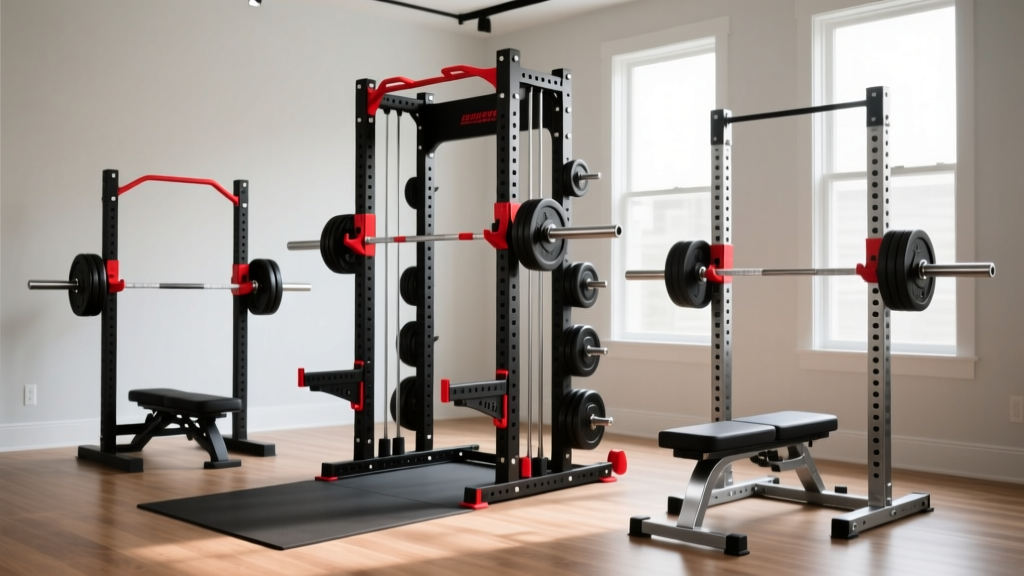
Power Rack vs Squat Rack vs Stand for Upper Body Dumbbell Workouts

McGregor Dumbbell: Complete Home Workout Routines for Every Muscle Group

Olympic vs Standard Plates: Sourcing Dumbbells in Spanish Markets
