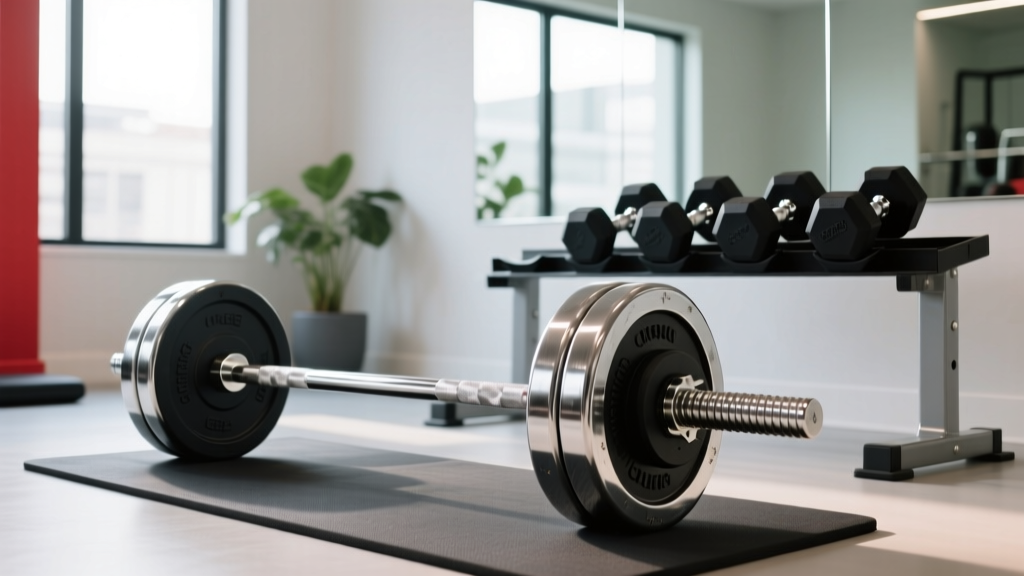
Bumper vs Iron Plate Care: Beyond the Dumbbell Women Beginner Phase
Discover essential maintenance and longevity tips for bumper vs iron plates as you upgrade from a dumbbell women beginner setup to a full barbell gym.

Most lifters start their strength journey in the classic 'dumbbell women beginner' phase, utilizing 5lb to 15lb neoprene or hex dumbbells to master foundational movement patterns like goblet squats and Romanian deadlifts. However, as progressive overload demands heavier loads, the transition to barbell training becomes inevitable. This upgrade introduces a critical purchasing and maintenance crossroads: bumper plates versus cast iron plates.
While iron and rubber plates both serve the purpose of loading a barbell, their material compositions demand vastly different maintenance protocols to ensure decade-long longevity. According to comprehensive equipment analyses by Garage Gym Reviews, choosing the wrong plate type for your specific gym environment can lead to premature degradation, ruined flooring, and hundreds of dollars in replacement costs. Here is your expert guide to maintaining and maximizing the lifespan of your weight plates in 2026.
Cast Iron & Steel Plates: Combating Oxidation and Pitting
Iron plates are the traditional standard for powerlifting and general strength training. They are dense, allowing you to load a barbell with maximum weight without running out of sleeve space, and they are generally more cost-effective per pound than bumpers. However, iron is highly susceptible to environmental degradation.
Finish Types and Their Maintenance Burdens
Not all iron plates are created equal. The longevity of your iron plates is entirely dictated by their protective finish:
- Enamel/Painted Iron: The most common and cheapest option (e.g., standard CAP Barbell plates). The paint will inevitably chip from plate-to-plate friction, exposing raw iron to moisture. Maintenance: Requires immediate touch-up with rust-inhibiting paint (like Rust-Oleum) the moment a chip occurs.
- Black Oxide: Provides a beautiful, matte, bare-metal feel but offers minimal corrosion resistance. Maintenance: Must be wiped down and lightly oiled monthly to prevent surface rust.
- Zinc-Plated or Machined Steel: Premium options like the Rogue Machined Iron Plates. Zinc acts as a sacrificial anode, protecting the underlying steel from rust. Maintenance: Extremely low; requires only occasional wiping with a dry microfiber cloth.
The 3-IN-ONE Protocol for Rust Remediation
If your cast iron plates develop surface rust, do not use harsh chemical rust removers that can degrade the metal matrix. Instead, use a brass wire brush (softer than steel, so it won't gouge the plate) to scrub the oxidized areas. Follow up by wiping the plate with mineral spirits to remove dust, and finish by applying a light coat of Boeshield T-9 or 3-IN-ONE Multi-Purpose Oil. Let it cure for 24 hours before returning the plates to your rack.
Bumper Plates: Managing Rubber Degradation and Insert Blowouts
Bumper plates are essential for Olympic weightlifting, CrossFit, and any home gym where dropping the barbell is necessary. As detailed in BarBend's weight plate guide, bumpers are designed to absorb kinetic energy, but the rubber matrix and steel inserts are vulnerable to specific failure modes.
Durometer Ratings and 'Tacoing'
The hardness of bumper plate rubber is measured on the Shore A Durometer scale. Recycled rubber bumpers typically sit around 65-75 ShA, making them softer, bouncier, and more prone to warping (colloquially known as 'tacoing') when stored improperly. Virgin rubber bumpers, such as the Rogue Black Bumpers, boast a durometer of 85-90 ShA. This higher density resists deformation and absorbs dead-blow impacts far better.
Critical Warning: Never drop a barbell loaded exclusively with 10lb or 15lb bumper plates. The thin rubber profile cannot absorb the kinetic energy of a loaded barbell, leading to immediate 'tacoing' and catastrophic failure of the steel center insert.
Preventing Steel Insert Blowouts
The number one failure point on any bumper plate is the steel center insert tearing away from the rubber matrix. This happens when the plate is subjected to lateral shearing forces. To prevent this, always ensure your barbell sleeves are clean and free of chalk buildup, which increases friction during plate removal. Never pry plates off the barbell by stepping on the rubber edge; use a proper plate puller or your hands to slide them straight off the sleeve.
Head-to-Head Maintenance Matrix
Use the following comparison chart to determine which plate type aligns with your maintenance bandwidth and gym environment in 2026.
| Feature | Machined Iron / Zinc Plates | Virgin Rubber Bumpers | Recycled Rubber Bumpers |
|---|---|---|---|
| Expected Lifespan | Lifetime (50+ years) | 10-15 years | 3-5 years |
| Humidity Tolerance | Low (Requires climate control) | High (Impervious to moisture) | High |
| UV Sensitivity | None | Moderate (Can oxidize) | High (Dries and cracks) |
| Primary Failure Mode | Surface rust / Paint chipping | Steel insert blowout | Rubber tearing / Tacoing |
| Maintenance Frequency | Annually (Oiling) | Bi-annually (UV Protectant) | Quarterly (Conditioning) |
| Avg Cost Per Pound (2026) | $1.50 - $2.50 | $3.00 - $4.50 | $1.80 - $2.50 |
Environmental Controls: The Silent Killer of Gym Gear
Whether you are storing your old beginner dumbbells or your new competition plates, the ambient environment of your home gym dictates gear longevity.
Managing Humidity for Iron
Cast iron begins to oxidize rapidly when relative humidity (RH) exceeds 60%. If your garage gym is in a humid climate, investing in a commercial-grade dehumidifier to maintain an RH between 40% and 50% is non-negotiable. Store iron plates on vertical tree racks rather than leaving them stacked flat on concrete floors, which wick moisture directly into the bottom plates.
Temperature Swings and Rubber Brittleness
Rubber bumper plates are highly sensitive to extreme cold. When temperatures drop below 40°F (4°C), the polymers in the rubber become brittle. Dropping a barbell loaded with cold bumpers will result in micro-tears along the outer circumference and significantly increase the risk of the steel insert popping out. If you train in an unheated garage in the winter, bring your bumpers indoors or use space heaters to raise the ambient temperature before lifting.
Frequently Asked Questions
Can I mix iron plates and bumper plates on the same barbell?
Yes, but you must follow the correct loading order to protect your equipment. Always load the bumper plates on the outside of the iron plates. If you drop the barbell, the bumper plate needs to be the first point of contact with the floor to absorb the shock. If the iron plate is on the outside, it will strike the floor, potentially cracking the iron, damaging your platform, and transferring the shockwave directly into the barbell sleeve.
How do I clean white oxidation off my black bumper plates?
That white, chalky residue is 'blooming,' a natural process where protective waxes in the rubber migrate to the surface. It is not mold or permanent damage. Wipe the plates down with a damp microfiber cloth and apply a light coat of 303 Aerospace Protectant. This will restore the deep black color and provide a UV-blocking barrier against sunlight if your gym has large windows.
Do I need to maintain my old beginner dumbbells once I upgrade?
Absolutely. The neoprene or rubber coatings on entry-level dumbbells can degrade, peel, and harbor bacteria from sweaty hands. Wipe them down weekly with a mild, non-bleach disinfectant. Bleach will break down the chemical bonds in the rubber coating, causing it to flake off and expose the rust-prone iron core underneath.
More gear to consider
All reviews
Best Loadable Dumbbells for Incline Dumbbell Press (2026)

Rubber Hex Vs Urethane Care For Any Exercise Routine With Dumbbells
Cast Iron vs Competition Kettlebells & Seated Dumbbell Wrist Curl
EZ vs Straight Bar Maintenance & How to Work Out Lats With Dumbbells

Loadable Dumbbells and the Dumbbell Floor Press Workout: 2026 Trends