
Pink Dumbbell Value: Fixed Neoprene vs Loadable Plates
Is a fixed pink dumbbell worth the premium? We break down the cost-per-pound of aesthetic neoprene weights versus loadable dumbbells with plates.

The aesthetic home gym movement has completely reshaped fitness equipment trends in 2026. For many lifters, the search for the perfect pink dumbbell is about more than just color coordination; it is about creating a motivating, personalized workout space. However, when you filter the market for pink-colored free weights, you are almost exclusively funneled toward fixed-weight neoprene or urethane hex dumbbells. While visually appealing, these fixed weights carry a massive financial premium and severely limit your long-term strength progression.
As a senior equipment analyst, I frequently see lifters outgrow their 15-pound or 20-pound aesthetic dumbbells within six months, forcing them to buy entirely new sets. The smarter, more economical solution? A loadable dumbbell with interchangeable plates. By shifting your budget from fixed aesthetic weights to high-quality loadable handles and customizable plates, you can achieve the exact look you want while cutting your cost-per-pound (CPP) in half and unlocking infinite progression.
The 'Pink Tax' in Fixed Neoprene Weights
To understand the value of loadable systems, we first need to audit the pricing structure of fixed aesthetic dumbbells. Brands that specialize in lifestyle fitness gear often charge a premium for colored coatings. In 2026, standard black cast-iron or rubber hex dumbbells typically cost between $1.20 and $1.80 per pound. In contrast, branded pink neoprene or silicone-coated dumbbells routinely cost between $2.50 and $4.00 per pound.
If you are buying a pair of 25-pound pink dumbbells, you are likely paying around $125 to $150. Once you build the strength to curl 30 pounds, you cannot add weight to your existing dumbbells. You must spend another $150 for the next set up the rack. This linear spending model is the primary reason home gym budgets balloon out of control within the first year of training.
The Cost-Per-Pound (CPP) Formula
To accurately compare equipment value, divide the Total Cost of the Setup by the Total Weight in Pounds. A CPP under $1.50 is considered excellent for home gym gear, while anything above $3.00 indicates you are paying for aesthetics or brand convenience rather than raw utility.
Loadable Dumbbells with Interchangeable Plates: The Breakdown
A loadable dumbbell handle is essentially a miniature barbell. You purchase the handle once and slide interchangeable weight plates onto the sleeves, securing them with collars. There are two primary categories on the market: standard 1-inch spinlock handles and 2-inch Olympic loadable handles.
1-Inch Spinlock Handles
Entry-level loadable dumbbells (like the Titan Fitness 1-Inch Spinlock Handles) cost roughly $35 to $45 per pair. They use standard 1-inch cast-iron plates, which are widely available and cheap (around $1.50 per pound). The limitation here is sleeve length. Most 1-inch handles have 5-inch sleeves, meaning you can only fit about 20 to 25 pounds of plates per side before you run out of physical space. This caps your maximum dumbbell weight at roughly 45 to 55 pounds per hand.
Olympic Loadable Handles
For serious lifters, Olympic loadable handles are the gold standard. The Rogue Loadable Dumbbell Handles, priced at $95 per pair, feature 1.96-inch (50mm) sleeves that are 6.5 inches long. These accept standard Olympic bumper plates and fractional change plates. While the initial handle investment is higher, the weight capacity is virtually limitless, easily accommodating 100+ pounds per hand for heavy goblet squats or floor presses.
5-Year Budget Projection: Fixed vs. Loadable
Let us look at the hard data. The following table compares the cost of building a setup that allows you to lift up to 50 pounds per hand (100 pounds total), comparing fixed pink neoprene dumbbells against a loadable Olympic handle system with interchangeable plates.
| Equipment Setup | Handle Cost | Plate Cost (100 lbs) | Total Investment | Effective CPP |
|---|---|---|---|---|
| Fixed Pink Neoprene (Multiple Pairs) | $0 | $300 (Blended avg) | $300 | $3.00 / lb |
| 1-Inch Spinlock Loadable | $40 | $150 | $190 | $1.90 / lb |
| Olympic Loadable (Rogue Handles) | $95 | $150 | $245 | $2.45 / lb |
While the fixed neoprene option might seem cheaper if you only buy a single pair of 10-pound dumbbells, the moment you need to scale up to 30, 40, and 50 pounds, the loadable systems drastically outpace them in value. Furthermore, according to equipment longevity analyses by Garage Gym Reviews, loadable steel handles will easily outlast the degrading neoprene coatings of fixed dumbbells, which tend to peel and split after a few years of heavy use and sweat exposure.
The Aesthetic Workaround: Customizing Your Interchangeable Plates
The most common objection to loadable dumbbells from aesthetic-focused lifters is that cast iron and black rubber plates look industrial and drab. If the primary goal is to maintain the visual appeal of a pink dumbbell, you can easily achieve this with interchangeable plates without sacrificing utility.
- Pink Bumper Plates: Companies like Fringe Sport and Rep Fitness occasionally release colored bumper plates, including magenta and pink hues. You can buy 10lb and 15lb pink bumpers to slide onto your Olympic loadable handles.
- Anodized Aluminum Fractional Plates: For the smaller change plates (1.25 lb, 2.5 lb, 5 lb), the market is flooded with anodized aluminum plates in vibrant colors, including hot pink. These cost roughly $15 to $25 for a pair and add a striking pop of color to the ends of your dumbbell sleeves.
- Custom Powder Coating: If you buy standard steel calibrates plates, many local machine shops will powder-coat them in any RAL color code (including pastel or neon pinks) for roughly $3 to $5 per pound, still keeping you well below the cost of fixed lifestyle dumbbells.
Hardware Failure Modes and Real-World Edge Cases
Loadable dumbbells are not without their mechanical quirks. When transitioning from fixed weights to interchangeable plates, you must be aware of specific failure modes to ensure safety and comfort during your workouts.
1. Spinlock Collar Stripping
On budget 1-inch spinlock handles, the threaded sleeve and the star-nut collar are often made of soft, low-grade steel. Over time, the threads will strip, meaning the collar can no longer be tightened securely. If you are performing walking lunges or floor presses, a loose collar can cause plates to slide off mid-rep. Solution: If you use 1-inch handles, discard the stock star-nuts and purchase heavy-duty spring collars or locking jaw clamps designed for standard sleeves.
2. Sleeve Rattle and Tolerance Issues
Cheap 1-inch handles are rarely exactly 1.00 inches in diameter; they are often machined to 0.95 inches to ensure plates slide on easily. This 0.05-inch gap creates a severe rattling noise and shifts the center of gravity during dynamic movements. Olympic loadable handles adhere to strict IWF tolerance standards (1.96 inches), ensuring a tight, silent fit with high-quality interchangeable plates.
3. Handle Length and Renegade Rows
Olympic loadable handles are significantly longer than standard fixed dumbbells. The Rogue handles, for example, measure over 19 inches in total length. While this provides excellent clearance for heavy plate loading, it makes exercises like renegade rows or deep push-ups awkward, as the wide footprint can feel unstable on hardwood floors. Use these primarily for isolation work, goblet squats, and floor presses.
The Biomechanics of Micro-Loading
Beyond the financial budget breakdown, the loadable dumbbell system offers a massive physiological advantage: micro-loading. Fixed dumbbells typically jump in 5-pound increments. Moving from a 20-pound curl to a 25-pound curl is a 25% increase in total load, which often leads to form breakdown or tendon strain.
According to research published by the National Institutes of Health (NIH) on the principles of resistance training, progressive overload is the primary driver of muscular hypertrophy and strength adaptation. However, the research also highlights that connective tissues adapt slower than muscle bellies, making gradual load increments vital for injury prevention.
With interchangeable plates, you can purchase 0.5 lb and 1 lb fractional plates. This allows you to increase your dumbbell weight by just 1 or 2 pounds per week, smoothing out the strength curve and ensuring continuous adaptation without the joint shock associated with 5-pound fixed-weight jumps.
Final Budget Verdict
If your home gym budget is strictly limited and you only need weights under 15 pounds for light physical therapy or high-rep endurance work, a fixed pink neoprene dumbbell set is a convenient, space-saving purchase. However, from a pure value analysis perspective, it is a depreciating asset with a hard ceiling on its utility.
For lifters serious about progressive overload, investing $95 into a pair of Olympic loadable dumbbell handles and allocating the rest of your budget toward high-quality interchangeable plates (which you can customize with pink anodized change plates or colored bumpers) is the undisputed winner. You eliminate the 'pink tax,' secure a lifetime piece of hardware, and gain the ability to micro-load your way to new personal records safely and efficiently.
More gear to consider
All reviews
Delt Dumbbell vs Neoprene Coated: Home Gym Guide 2026
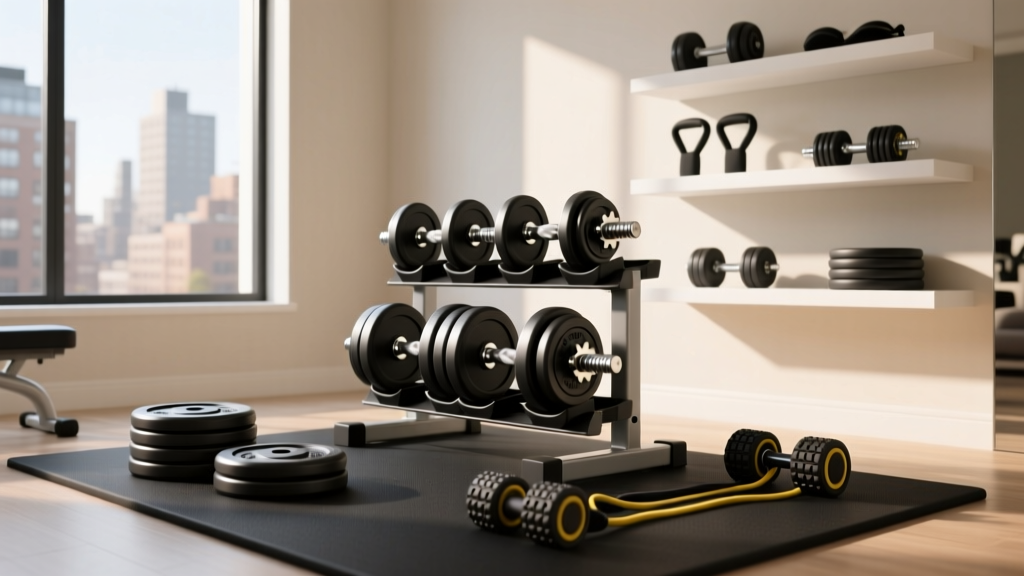
Space Optimization: Loadable Plates and Wrist Curls with Dumbbells

Cast Iron vs Competition Kettlebell Care & One Legged RDL Dumbbell Tips
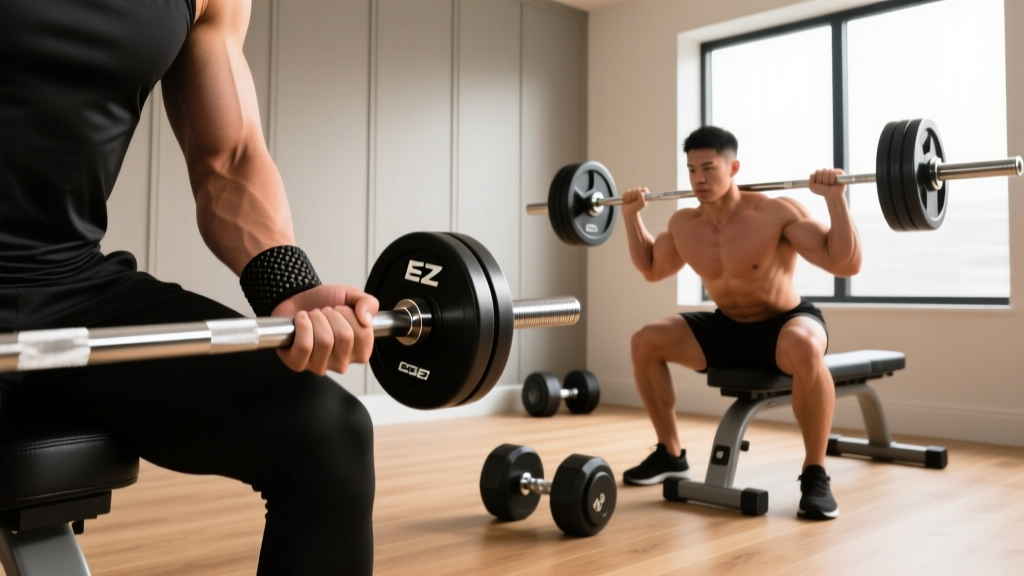
EZ Curl Bar vs Straight Bar: Trends & Dumbbell Chest Flys Data

Beyond Dumbbell Workout Names: The Complete Barbell Collar Setup Guide
