
Power Rack vs Squat Stand: Woman's Dumbbell Chest Press Setup
Compare power racks, squat racks, and stands. Troubleshoot clearance and safety arm mistakes for a woman's dumbbell chest press and heavy squats in 2026.

The Footprint vs. Function Dilemma in Modern Home Gyms
As home gym setups continue to evolve in 2026, female lifters are increasingly prioritizing both heavy compound movements and targeted hypertrophy work. This dual focus brings a unique spatial challenge to the forefront: selecting the right racking system. The debate between a full power rack, a 4-post squat rack, and a minimalist squat stand is usually framed around squats and pull-ups. However, a critical and often overlooked troubleshooting area is upper-body isolation—specifically, the biomechanics and spatial requirements of the heavy dumbbell chest press for women.
When a woman is pressing 50lb to 75lb dumbbells, the movement demands significant lateral elbow clearance, a stable bench foundation, and a reliable bailout mechanism if a rep fails. According to ExRx's biomechanical breakdown of the dumbbell bench press, the pectoral stretch at the bottom of the movement requires the elbows to drop 2 to 4 inches below the torso. If your racking system restricts this, you compromise joint health and muscle activation. Let's troubleshoot the most common setup mistakes across the three main rack categories.
Comparing the Big Three: Clearance and Constraints
Before diving into specific troubleshooting steps, we must establish the physical boundaries of the equipment. Based on Garage Gym Labs' 2026 rack dimension database, here is how standard models compare when a flat bench is introduced into the equation.
| Equipment Type | Example Model (2026) | Internal Width | Depth / Footprint | Front Spotter Arms? |
|---|---|---|---|---|
| Full Power Rack | Titan T-3 Series | 48 inches | 48" x 48" (Enclosed) | Yes (Adjustable) |
| 4-Post Squat Rack | Rogue SML-2C Monster Lite | 49 inches | 48" x 24" (Open Front) | Yes (Fixed Height) |
| Squat Stand | Bells of Steel 3.0 | 48 inches | 48" x 48" (Fully Open) | No (Rear Only) |
Troubleshooting Mistake #1: Upright Interference During the Press
The most frequent complaint from women performing the dumbbell chest press inside a squat stand or power rack is scraping the elbows or dumbbells against the uprights. A standard Olympic flat bench is 12 to 14 inches wide. In a 48-inch internal width rack, this leaves roughly 17 inches of lateral space on each side.
Why This Fails for the Dumbbell Chest Press
While 17 inches sounds sufficient, it ignores the reality of the lift. A woman with a wingspan of 64 inches holding 55lb hex dumbbells will occupy nearly 44 inches of lateral space at the top of the movement. As the weight descends, the elbows flare or tuck, but the physical bulk of the dumbbell heads (often 6 to 8 inches long each) easily bridges that 17-inch gap, striking the steel uprights.
⚠️ Troubleshooting Fix: Never attempt a heavy dumbbell chest press inside a standard 48-inch power rack. Instead, utilize a power rack with a detachable bench or pull the bench entirely outside the footprint of a squat stand. If you must press inside a 4-post squat rack, you are limited to shorter, competition-style dumbbells or fixed-weight urethane bells with compact heads.Troubleshooting Mistake #2: The 'Kick-Up' and Base Crossmembers
Getting heavy dumbbells into position requires the 'thigh kick' technique. You sit on the bench, rest the dumbbells on your thighs, and use your leg drive to kick them into the starting position while simultaneously laying back.
According to equipment testing by BarBend's experts, the base crossmember of a squat stand is a major culprit in failed kick-ups. Many budget squat stands feature a stabilizing bar just 4 to 6 inches off the floor. When a woman attempts to plant her feet firmly and drive her heels into the ground to launch 60lb dumbbells, this low crossmember blocks natural foot placement, destroying the kinetic chain required to safely initiate the press.
- Power Rack Advantage: Front crossmembers are usually higher (10+ inches) or can be omitted entirely if the rack is bolted down, allowing unobstructed heel drive.
- Squat Stand Disadvantage: If your stand has a low front crossmember, you must angle the bench slightly outward or elevate your feet on wedge blocks, which alters spinal alignment and increases lumbar risk.
Troubleshooting Mistake #3: Safety Arm Failures and Dumbbell Bounce
Perhaps the most dangerous oversight in home gym programming is assuming barbell safety mechanisms work for dumbbells. If you fail a rep on a heavy women's dumbbell chest press, you cannot simply roll the weight down your torso like a barbell. You must drop the dumbbells to the sides.
"Strap safeties are phenomenal for catching a bounced barbell during a heavy squat, but they are a catastrophic failure point for dropped dumbbells. A 50lb rubber-coated dumbbell will simply bounce off the nylon webbing or slip through the center gap, striking the floor and potentially damaging your wrists on the recoil."
The Correct Safety Setup for Dumbbell Pressing
If you are using a power rack or a 4-post squat rack for dumbbell work, you must install flat, sandwich-style steel spotter arms (like the 1" x 3" arms found on the Rep Fitness PR-4000). Set these arms exactly 2 inches below your lowest point of elbow travel. This allows you to safely open your hands and let the dumbbells rest on the steel arms if your pectorals fail, rather than tearing a rotator cuff trying to control a 60lb weight on the way down.
Squat stands generally lack front spotter arms entirely. If you are pressing heavy dumbbells on a squat stand, you are effectively lifting without a spotter. In 2026, the best practice for squat stand owners is to use adjustable dumbbells (like the Nuobell or Bowflex 1090s) that allow for micro-loading, ensuring you never jump to a weight that you cannot safely drop to the floor from a seated position.
Step-by-Step: Rigging Your Rack for the Perfect Press
Follow this exact sequence to configure your equipment for a safe, unobstructed dumbbell chest press, regardless of whether you own a full cage or a pair of stands.
- Verify Bench Centering: Use a laser level or a simple tape measure to ensure your flat bench is perfectly equidistant from the left and right uprights. Even a 2-inch drift will cause one dumbbell to strike the rack during the descent.
- Adjust Spotter Arms (Racks Only): Lie on the bench with empty hands, simulating the bottom of the press. Have a partner set the flat spotter arms exactly one fist-width (approx. 3 inches) below your elbows.
- Clear the Drop Zone: Remove all weight plates, collars, and kettlebells from the floor directly adjacent to the bench. When dropping heavy dumbbells, they will bounce laterally up to 12 inches.
- Check the Crossmember: Sit on the bench and simulate your heel drive. If your heels strike the base bar of your squat stand, pivot the bench 15 degrees off-center to clear the steel while maintaining spinal alignment.
The Final Verdict: Choosing Your 2026 Setup
If your primary goal is heavy barbell squatting and you only occasionally use dumbbells, a Squat Stand ($350 - $450) offers the best aesthetic and spatial footprint. However, if your programming relies heavily on the women's dumbbell chest press, heavy incline work, and safe failure training without a spotter, a 4-Post Squat Rack ($500 - $700) or a Full Power Rack ($650 - $900+) is non-negotiable. The ability to utilize flat steel spotter arms and completely clear the front crossmember will protect your shoulders, optimize your pectoral stretch, and ultimately allow you to push closer to true muscular failure with confidence.
More gear to consider
All reviews
Loadable Handles: The Best Dumbbell Hip Thrust Alternative

Neoprene Dumbbell Setup & What Muscle Does Incline Dumbbell Press Work

Barbell or Dumbbell Bicep Curls: Neoprene Mistakes & Fixes
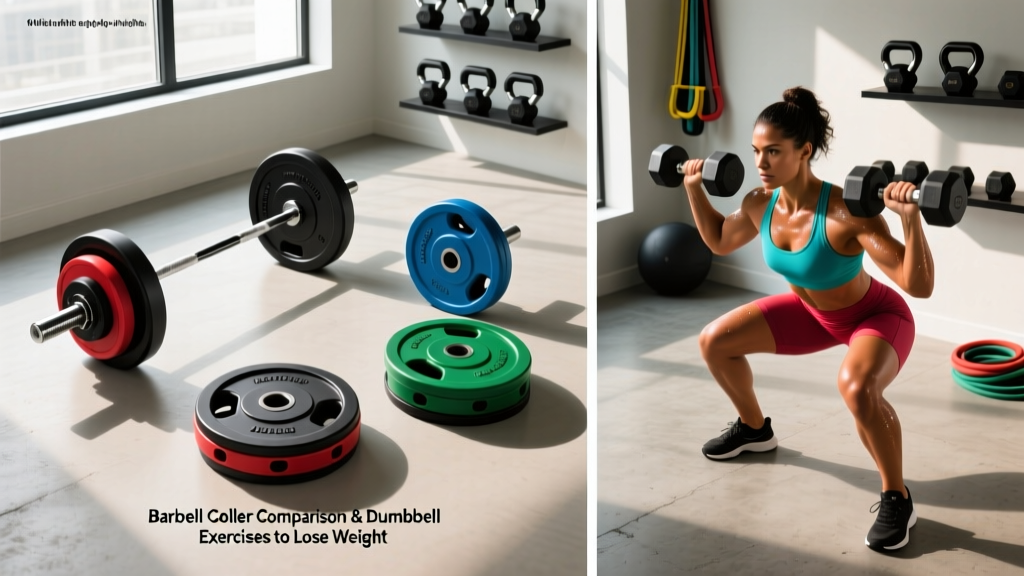
Barbell Collar Comparison & Dumbbell Exercises to Lose Weight

Cast Iron vs Competition Kettlebells & Dumbbell Shoulder Shrugs
