
Peeling the Dumbbells Film: Power Rack vs Squat Rack vs Squat Stand
Ready to peel the dumbbells film and upgrade? Our step-by-step beginner guide compares power racks, squat racks, and squat stands for your home gym.

When your first set of premium urethane or rubber-coated dumbbells arrives, peeling off that tight, protective dumbbells film is a satisfying rite of passage. It signals the start of your strength journey. But what happens when you outgrow those dumbbells? When you are ready to load up a 45-pound barbell and attempt your first heavy back squat, dumbbells alone will not cut it. You need a dedicated barbell enclosure.
As of 2026, the home gym equipment market has fully stabilized. The massive freight surcharges of the early 2020s are gone, meaning you can now find incredible deals on high-quality steel. However, the sheer volume of options can paralyze beginners. Should you buy a minimalist squat stand, an open-face squat rack, or a fully enclosed power rack?
This step-by-step guide will walk you through the exact specifications, pricing, and spatial requirements to help you choose the perfect rig for your garage.
Step 1: Assess Your Space and Steel Requirements
Before looking at specific models, you must measure your space and understand steel gauges. The foundation of any good rack is its tubing.
- 2x2-inch Tubing (14 to 16-gauge steel): Found in budget racks (under $300). Adequate for beginners lifting under 300 lbs, but offers limited attachment compatibility.
- 3x3-inch Tubing (11-gauge steel): The gold standard for home gyms. Found in premium racks ($400+). It provides rock-solid stability, minimal wobble during kipping pull-ups, and unlocks a massive ecosystem of attachments like lat pulldowns and monolifts.
Step 2: Squat Stands (The Minimalist Approach)
Squat stands are essentially two independent, heavy-duty metal posts with a J-cup on top. They take up virtually zero floor space and can be pushed into a corner when not in use.
Top 2026 Models & Pricing
- Rogue Fitness S-2 Squat Stand 2.0: Features 2x3-inch 11-gauge steel and a footprint of just 4x4 feet. Priced around $395.
- Titan Fitness T-35 Series: A heavy-duty 3x3 stand with a built-in safety spotter crossbar. Priced around $349.
Pros and Cons
Pros: Extremely affordable, leaves the floor completely open for deadlifts or dumbbell work, easy to move.
Cons: No built-in pull-up bar, requires separate purchase of safety spotter arms, and you cannot perform rack pulls or heavy pin presses safely.
'Squat stands are ideal for athletes who prioritize Olympic weightlifting or functional fitness, where the barbell frequently drops to the floor, but they require strict discipline when using safety spotter arms.' - Garage Gym Reviews
Step 3: Squat Racks / Half Racks (The Middle Ground)
Often called 'half racks,' these feature two main front posts and two shorter rear stabilization posts. They offer an open front for easy barbell entry but provide a sturdy frame for pull-ups and storage.
Top 2026 Models & Pricing
- Titan Fitness X-2 Half Rack: A compact 3x3 half rack with a 49x49-inch footprint. Includes a multi-grip pull-up bar and safety spotter straps. Priced at $449.
- REP Fitness PR-1100: A fantastic budget-friendly 2x2 half rack that punches way above its weight class. Priced around $299.
Pros and Cons
Pros: More stable than stands, includes weight storage horns on the back (acting as a counterbalance), great for pull-ups.
Cons: Takes up more depth (usually 4 to 5 feet), and if you fail a rep outside the rack, the spotter arms might not catch you depending on your setup.
Step 4: Power Racks (The Ultimate Safe Haven)
A true power rack (or power cage) features four full-height uprights connected by crossmembers at the top and bottom. It creates a completely enclosed 'cage' that allows you to fail a lift safely from any angle inside the rack.
Top 2026 Models & Pricing
- Fitness Reality 810XLT Super Max: The undisputed king of budget home gyms. 2x2 steel, 800 lb capacity, and a massive 49x49 footprint. Priced at an unbeatable $299.
- Rogue R-3 Power Rack (3x3): The premium standard. 11-gauge steel, Westside hole spacing (1-inch spacing in the bench/squat zone), and infinite attachment options. Priced starting at $995.
Pros and Cons
Pros: Maximum safety for solo lifters, accommodates all attachments (dip bars, lat pulldowns, cable crossovers), built-in band pegs.
Cons: Most expensive, heaviest, and requires the largest dedicated floor space (typically 4x8 feet or larger).
Head-to-Head Comparison Matrix
Use this table to quickly compare the core specifications across the three categories based on current 2026 market averages.
| Feature | Squat Stands | Half Racks | Power Racks |
|---|---|---|---|
| Avg. Price Range | $200 - $400 | $300 - $600 | $300 - $1,200+ |
| Footprint (Depth) | 24 - 48 inches | 48 - 60 inches | 48 - 96 inches |
| Solo Lifting Safety | Moderate (Requires spotter arms) | High (Straps/Pins included) | Maximum (Full cage enclosure) |
| Pull-Up Bar | Rarely included | Usually included | Always included (Multi-grip) |
| Attachment Ecosystem | Very Limited | Moderate | Extensive (Cables, Monolifts) |
Step 5: Anchoring and Hardware (Don't Skip This!)
Once you have chosen your rack, the final step is securing it. A 300-pound power rack might seem heavy enough to stay put, but the kinetic energy of a dropped barbell or a violent kipping pull-up can easily tip an unanchored rig.
- Bolting to Concrete: If your rack has pre-drilled holes in the base crossmembers, use 3/8-inch wedge anchors drilled directly into your concrete slab. This is mandatory for 2x2 budget racks and highly recommended for all rigs.
- Flat-Foot Design: If you are renting and cannot drill into the floor, you must buy a 'flat-foot' rack (like the Rogue R-3 Flat Foot). These rely on sheer mass and a wide base. You must load weight plates onto the rear storage horns to act as a counterbalance.
- Hardware Check: According to equipment safety guidelines outlined by ExRx, you should inspect all nuts and bolts on your rack every 3 to 6 months. The vibration from dropping weights will slowly loosen factory hardware over time.
Frequently Asked Questions (FAQ)
Can I use a power rack for dumbbell exercises?
Absolutely. Once you have peeled the dumbbells film off your new adjustable dumbbells, a power rack is an excellent place to perform exercises like dumbbell floor presses (using the safety pins set low) or seated shoulder presses. The enclosed space keeps your weights contained and protects your floors from stray drops.
What is 'Westside Hole Spacing' and do I need it?
Westside spacing refers to the distance between the holes on the uprights where your J-cups and spotter arms go. Standard spacing is 2 inches apart. Westside spacing features 1-inch holes in the critical bench press and squat zone. This allows for much more precise micro-adjustments of your safety bars, which is crucial for lifters who bench press with an arch or squat to exact depths. If your budget allows, always opt for 1-inch spacing.
Do I need safety spotter straps or steel pins?
For beginners, nylon safety spotter straps are generally superior to steel pins. Straps catch the barbell softly, protecting both your barbell's knurling and the rack's paint from damage. Steel pins are incredibly durable but will scratch your barbell if you drop a heavy failed lift onto them repeatedly. Most premium 2026 racks now include heavy-duty straps as standard.
Final Thoughts
Upgrading from dumbbells to a barbell rig is a massive milestone in your fitness journey. If you are tight on space and budget, a heavy-duty squat stand like the Titan T-35 will serve you well. If you want the versatility of a pull-up bar and weight storage without committing to a massive cage, a half rack is the perfect middle ground. However, if you plan to lift heavy, train alone, and eventually add cable attachments, investing in an 11-gauge 3x3 power rack is the ultimate long-term solution.
More gear to consider
All reviews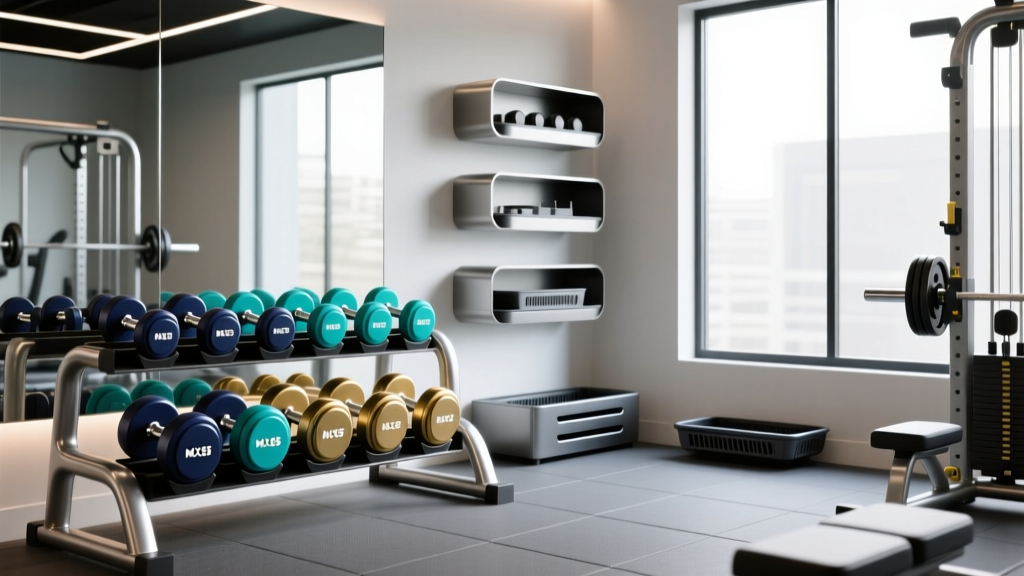
2026 Market Trends: Best Storage Racks for MX85 Dumbbells

Rubber Hex vs Urethane: Space Design for a Dumbbell Exercise Routine

Collar Clamp Types Compared: Barbells vs. Dumbbell Power Cleans

EZ Curl Bar vs Straight Bar: Layouts & Rotational Dumbbell Press
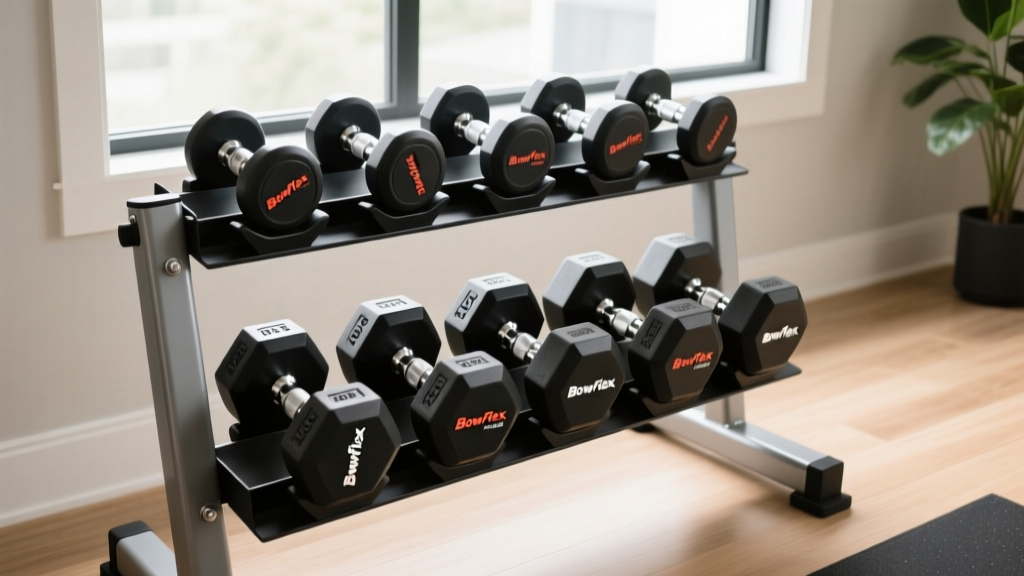
Best Racks for Bowflex SelectTech 552i Dumbbells: 2026 Value Guide
