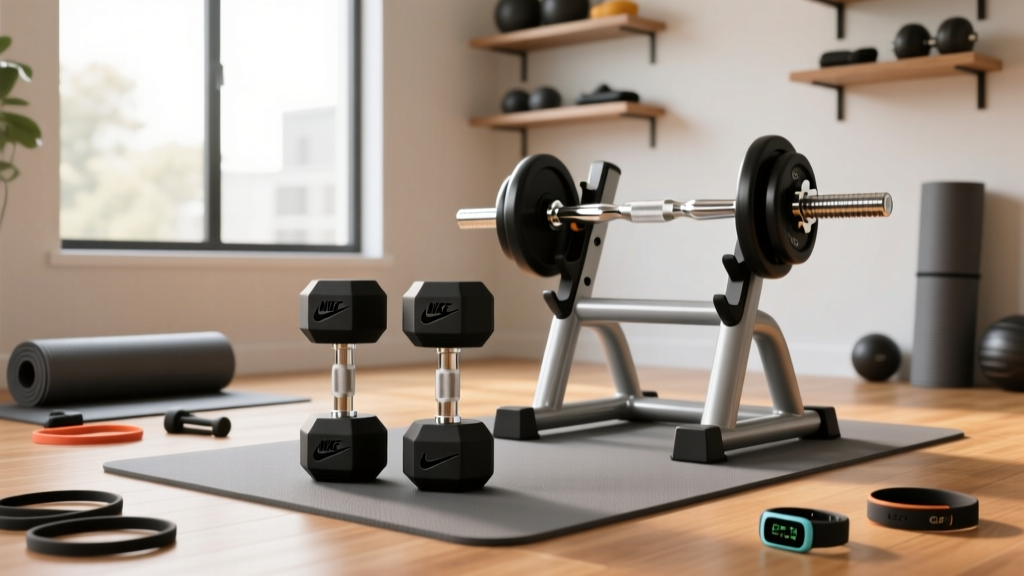
Pec Deck Fly with Dumbbells: Neoprene Grip & Form Troubleshooting
Master the pec deck fly with dumbbells at home. Troubleshoot common form mistakes, neoprene grip issues, and weight selection for optimal chest gains.

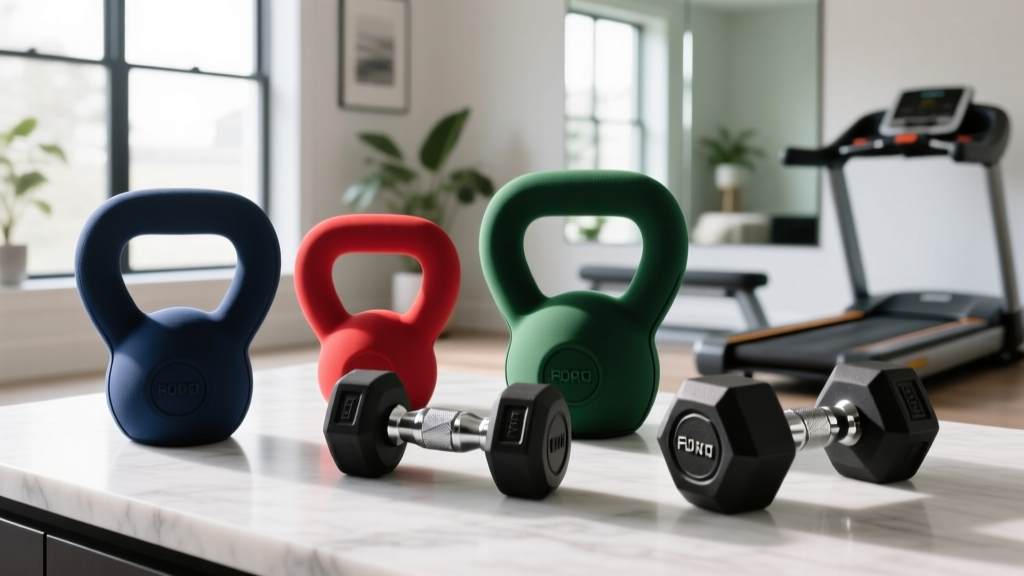
When building a home gym, neoprene-coated dumbbells are often the first equipment purchase for beginners and intermediate lifters. Brands like Yes4All, CAP Barbell, and AmazonBasics dominate this space, offering colorful, floor-friendly, and relatively affordable fixed-weight sets. However, when trainees attempt to replicate the pec deck fly with dumbbells to isolate the pectoralis major, the unique physical properties of neoprene dumbbells can introduce unexpected biomechanical hurdles. Unlike commercial urethane dumbbells or cable machines, neoprene sets present specific grip, weight distribution, and range-of-motion challenges that can lead to joint strain or premature muscle failure.
This comprehensive troubleshooting guide breaks down the most common mistakes lifters make when performing the pec deck fly with dumbbells at home, specifically addressing the nuances of using neoprene-coated equipment. Whether you are working out on an adjustable bench or modifying the movement on your living room floor, these expert insights will help you optimize your chest isolation and avoid injury.
The Neoprene Dilemma: Equipment Selection for Chest Isolation
The pec deck machine isolates the chest through a fixed, cam-driven arc that maintains continuous tension on the pectoral muscles while removing the need for grip stabilization. When you transition to free weights, your hands and forearms must absorb the load. Neoprene dumbbells, while excellent for high-repetition cardio and light toning, possess distinct physical characteristics that complicate heavy isolation work.
| Feature | Neoprene (Home Use) | Cast Iron / Rubber Hex | Urethane (Commercial) |
|---|---|---|---|
| Handle Diameter | 32mm - 35mm (Thick) | 28mm - 30mm (Standard) | 28mm - 32mm (Ergonomic) |
| Handle Texture | Smooth / Matte (Low Grip) | Moderate Knurling | Aggressive Knurling |
| Max Weight per Bell | Typically caps at 50 lbs | 100+ lbs | 150+ lbs |
| Price per Pound (2026) | $1.50 - $2.20 | $1.00 - $1.60 | $3.50 - $6.00 |
As highlighted in the table above, the primary issue with neoprene dumbbells for chest flys is the handle diameter and texture. A thicker, smooth handle forces your forearm flexors to work significantly harder to maintain a secure grip, often causing your forearms to fatigue before your chest muscles reach mechanical failure.
Biomechanical Breakdown: 4 Common Form Mistakes
According to ExRx.net's biomechanical breakdown of the dumbbell fly, the movement requires a delicate balance of shoulder abduction and horizontal adduction. When using fixed neoprene bells, lifters frequently compensate for the equipment's limitations with flawed mechanics.
Mistake 1: The 'Press-Fly' Hybrid (Elbow Angle Errors)
To cope with the thicker grip of a neoprene dumbbell, lifters instinctively bend their elbows past the optimal 15-to-20-degree angle, sometimes reaching 45 degrees or more. This shifts the biomechanical load away from the sternal head of the pectoralis major and onto the anterior deltoids and triceps, effectively turning an isolation fly into a wide-grip dumbbell press.
Troubleshooting Fix: Imagine you are hugging a large barrel. Your elbows should have a slight, fixed bend that does not change throughout the eccentric (lowering) or concentric (lifting) phases.
Mistake 2: Eccentric Overstretch and Shoulder Impingement
Because neoprene dumbbells are often used by beginners who lack developed proprioception, there is a tendency to drop the weights too low in an attempt to feel a 'deep stretch.' As noted by the American Council on Exercise (ACE), lowering the dumbbells past the plane of the torso places extreme shear stress on the anterior glenohumeral ligaments.
Troubleshooting Fix: Stop the eccentric descent when your elbows are level with your ribcage. The pec deck machine limits your range of motion to protect your joints; you must artificially enforce this same limit when using dumbbells.
Mistake 3: The 'Neoprene Squeeze' (Grip Overexertion)
The matte, slightly porous texture of neoprene creates a false sense of security. Lifters tend to 'white-knuckle' the thick handles, spiking their blood pressure and wasting central nervous system (CNS) energy on grip maintenance rather than mind-muscle connection.
💡 Expert Troubleshooting Callout: Bypassing Grip FailureIf your forearms burn out before your chest during a neoprene dumbbell fly, do not simply drop the weight. Instead, utilize lifting straps or Fat Gripz adapters paradoxically to redistribute the load. By wrapping a standard cotton lifting strap around the thick neoprene handle and your wrist, you eliminate the need for active crushing grip, allowing you to push the pectorals to true mechanical failure safely.
Mistake 4: Ignoring the Hexagon Shape
Most neoprene dumbbells feature hexagonal heads to prevent rolling on hardwood floors. However, at the peak of the concentric contraction (when the dumbbells meet above the chest), the flat edges can clash or force your wrists into slight ulnar deviation to avoid the bells hitting each other.
Troubleshooting Fix: Stop the concentric movement just before the dumbbells touch. Maintaining a 2-inch gap between the neoprene heads at the top of the movement keeps continuous tension on the chest and prevents wrist strain.
Floor Fly vs. Bench Fly: Adapting to the Home Environment
A significant percentage of home gym users do not own an adjustable FID (Flat/Incline/Decline) bench. Performing the pec deck fly with dumbbells on the floor is a viable alternative, but it requires specific modifications to ensure the neoprene equipment doesn't become a hazard.
- The Glute Bridge Floor Fly: Lying flat on the floor severely limits your range of motion, as your elbows will hit the ground before your chest achieves a full stretch. By elevating your hips into a glute bridge, you create an artificial decline angle, allowing your elbows to travel slightly past your torso safely while utilizing the anti-roll properties of the hex neoprene heads on the floor beside you.
- The Towel Slide Technique: If your neoprene dumbbells max out at a relatively light 30 lbs, you can increase the mechanical tension on the floor by placing a small towel under each dumbbell head. As you press and fly, drag the towels against the floor's friction to create manual, variable resistance that mimics the tension curve of a cable machine.
Overcoming the 50lb Neoprene Ceiling
The most frustrating aspect of neoprene dumbbell sets is the hard weight ceiling. Most retail sets cap out at 50 lbs per hand. Once your chest adapts to 50 lbs for 12 repetitions, you can no longer rely on standard progressive overload by simply adding weight. To continue growing the pectorals without buying an expensive commercial urethane set, implement these advanced intensity techniques:
- Tempo Manipulation (4-1-1-0): Lower the 50 lb neoprene bells for a strict 4-second eccentric count, pause for 1 second at the bottom stretch, explode up in 1 second, and pause for 0 seconds at the top. This drastically increases time-under-tension (TUT).
- Pre-Exhaustion Supersets: Perform 20 reps of a bodyweight sliding floor fly or a resistance band crossover immediately before picking up your 50 lb neoprene dumbbells. This ensures the chest reaches failure well before your grip or stabilizers give out.
- 1.5 Rep Method: Lower the weights fully, bring them halfway up, lower them again, and then complete the full rep. This counts as one repetition and effectively doubles the time spent in the stretched, most hypertrophic position of the fly.
Final Thoughts on Equipment and Execution
Neoprene-coated dumbbells are a staple of the modern home gym, offering undeniable convenience and floor protection. However, treating them exactly like commercial gym equipment is a recipe for stalled progress and shoulder impingement. By understanding the biomechanical realities of the pec deck fly with dumbbells—and adjusting your grip, elbow angle, and range of motion to account for the thick, smooth handles of neoprene sets—you can transform a basic home workout into a highly effective chest-building stimulus. Listen to your joints, respect the equipment's limitations, and leverage advanced tempo techniques to keep making gains long after you have maxed out your weight rack.
More gear to consider
All reviews
Olympic vs Standard Plates: Setup & Dumbbell Supinated Curl Guide
Bumper Plate vs Iron Plate: Best for the Double Dumbbell Swing?
2026 Market Analysis: Racks for the 150 Pound Dumbbell

Can I Lift Dumbbells Everyday? Barbell Collar Setup & Types Guide
Neoprene Dumbbell Parts Explained: Home Gym Buying Guide