
Overhead Shoulder Press Dumbbell vs Kettlebell: Cast vs Competition
Compare the overhead shoulder press dumbbell and kettlebell. Dive into our 2026 cast iron vs competition kettlebell buying guide for optimal pressing.

The Biomechanics: Overhead Shoulder Press Dumbbell vs. Kettlebell
The overhead press is a cornerstone of upper-body strength, demanding rigorous shoulder stability, triceps power, and core bracing. When athletes search for the perfect overhead shoulder press dumbbell, they often focus solely on weight increments and grip texture. However, the implement you choose fundamentally alters the movement's biomechanics. According to exercise databases like ExRx.net, the standard dumbbell press allows for a neutral, pronated, or semi-pronated grip, keeping the center of mass directly aligned with the radioulnar joint.
Kettlebells, conversely, introduce an offset center of mass. The bulk of the weight rests anterior to the wrist, forcing the shoulder stabilizers—particularly the serratus anterior and lower trapezius—to work overtime to prevent the bell from pulling the arm into extension. This offset load makes the kettlebell strict press a superior diagnostic tool for shoulder mobility and wrist stability, even if your absolute one-rep max is lower than what you can handle with a dumbbell.
Grip Mechanics & Wrist Ulnar Deviation
Pressing a dumbbell allows the wrist to remain relatively neutral. Pressing a kettlebell requires the bell to rest in the 'rack' position, demanding significant wrist extension and ulnar deviation. If you lack the requisite thoracic mobility or wrist flexibility, the kettlebell will punish your joints during the lockout phase.
Kettlebell Buying Guide: Cast Iron vs. Competition (2026 Breakdown)
If you decide to integrate kettlebells into your overhead pressing regimen, you are immediately faced with a critical purchasing decision: Cast Iron or Competition? As of 2026, the market has bifurcated sharply, with pricing and manufacturing tolerances reflecting the distinct use cases of each style.
1. Cast Iron Kettlebells: The Traditionalist's Tool
Cast iron bells are poured into molds, meaning their physical dimensions scale with their weight. An 8kg cast iron bell is significantly smaller than a 32kg bell. For the overhead press, this creates a major variable: the handle diameter and horn spacing change as you increase weight. A 16kg cast iron bell might feature a 32mm handle, while a 32kg bell from the same manufacturer could swell to 38mm. This inconsistency forces your grip and forearm flexors to adapt to new stimuli with every weight jump, which can lead to premature grip fatigue during high-volume pressing sets.
2. Competition Kettlebells: The Precision Standard
Competition kettlebells are built to strict International Kettlebell Sport Federation (IKSF) standards. Whether the bell is 8kg or 48kg, the physical dimensions remain identical: a 33mm handle diameter, a standardized horn width, and a uniform base. For double kettlebell overhead presses (the jerk or the strict double press), competition bells are non-negotiable. The wider horns prevent the bells from crushing your forearms in the rack position, and the consistent 33mm handle ensures your grip mechanics never change as you progress in strength.
Specification Matrix: Cast Iron vs. Competition
| Feature | Standard Cast Iron | Competition Style |
|---|---|---|
| Handle Diameter | Variable (30mm - 40mm+) | Uniform (33mm) |
| Horn Spacing | Narrower on heavier bells | Wide & consistent (approx. 100mm) |
| Bell Dimensions | Scales with weight | Identical across all weights |
| Base Shape | Often rounded or slightly flat | Completely flat (ideal for renegade rows) |
| 2026 Avg. Cost | $2.20 - $3.50 per lb | $4.50 - $6.50 per lb |
| Best For Overhead Press | Single-arm strict press, beginners | Double presses, jerks, high-volume sport |
Hands-On Review: 2026 Top Picks for Overhead Pressing
After testing dozens of implements in our facility this year, here are the standout options for athletes focused on overhead pressing strength and hypertrophy.
Top Dumbbell Pick: Rogue Rubber Hex Dumbbells (Urethane Upgrade)
While traditional rubber hex dumbbells are a gym staple, the odor and degradation of cheap rubber are well-documented failure modes. In 2026, we highly recommend upgrading to Rogue's Urethane Hex Dumbbells. Priced around $3.80 per pound, the urethane coating is virtually impervious to UV damage and dropping. The chrome-plated steel shaft features a medium-knurl that locks the hand in place without tearing calluses during heavy 5x5 overhead press blocks. The hexagonal head prevents rolling, a crucial safety feature when retrieving heavy bells from the floor for a clean-and-press complex.
Top Competition Kettlebell Pick: Kettlebell Kings Competition Series
For serious pressing, Rogue Fitness and Kettlebell Kings remain the gold standard. The Kettlebell Kings Competition line features a flawless 33mm handle with a powder-coated finish that absorbs chalk perfectly. During our double-press endurance tests, the wide horn spacing completely eliminated the forearm bruising commonly associated with heavy cast iron racks. Expect to pay roughly $180 for a 24kg bell, but the uniformity makes it a lifetime investment for your pressing mechanics.
Top Cast Iron Pick: Rep Fitness Classic Cast Iron
If you are strictly doing single-arm overhead presses and want to save money, the Rep Fitness Classic Cast Iron line is exceptional. They feature a matte powder coat that grips chalk well, and the handle geometry on their 16kg to 24kg bells is remarkably well-suited for the overhead lockout. However, be warned: once you cross the 28kg threshold, the handle thickness increases noticeably, which can cause wrist impingement if your mobility is lacking.
Common Failure Modes and Edge Cases
'The most common failure in the kettlebell overhead press is not a lack of shoulder strength, but a failure to achieve proper thoracic extension, leading to lumbar compensation and lower back pain.' - StrongFirst Training Guidelines
When transitioning from an overhead shoulder press dumbbell to a kettlebell, athletes frequently encounter two specific edge cases:
- The 'Broken Wrist' Lockout: Because the kettlebell rests on the heel of the palm, athletes often let the wrist bend backward (hyperextension) at the top of the press. You must actively punch the knuckles toward the ceiling, maintaining a 'straight wrist' or slight flexion to stack the radius bone directly under the load.
- The Rack Position Crush: In double kettlebell pressing, lowering the bells to the chest can compress the ribcage and restrict breathing if using narrow cast iron bells. Competition bells sit outside the ribcage, allowing the athlete to maintain intra-abdominal pressure and breathe behind the shield.
Final Verdict: Which Should You Buy?
If your primary goal is pure hypertrophy and isolating the anterior deltoids with incremental micro-loading (e.g., jumping from 50lbs to 52.5lbs), a high-quality urethane overhead shoulder press dumbbell set is your most efficient tool. The stability allows you to push closer to muscular failure safely.
However, if you are training for functional strength, shoulder resilience, or kettlebell sport, you must invest in Competition Kettlebells. The standardized 33mm handle and wide horns will protect your wrists and forearms, allowing you to focus entirely on generating power from the ground up through a strict, locked-out overhead position. Do not let the higher per-pound cost deter you; buying two 16kg and two 24kg competition bells will serve your pressing journey far better than a mismatched set of cheap cast iron spheres.
More gear to consider
All reviews
Incline Dumbbell Front Raise Mistakes & Adjustable Dumbbell Reviews

Maintaining Iconic Loadable Dumbbells: Longevity & Care Tips

Budget Racks for Amazon Basics Neoprene Dumbbell Hand Weights
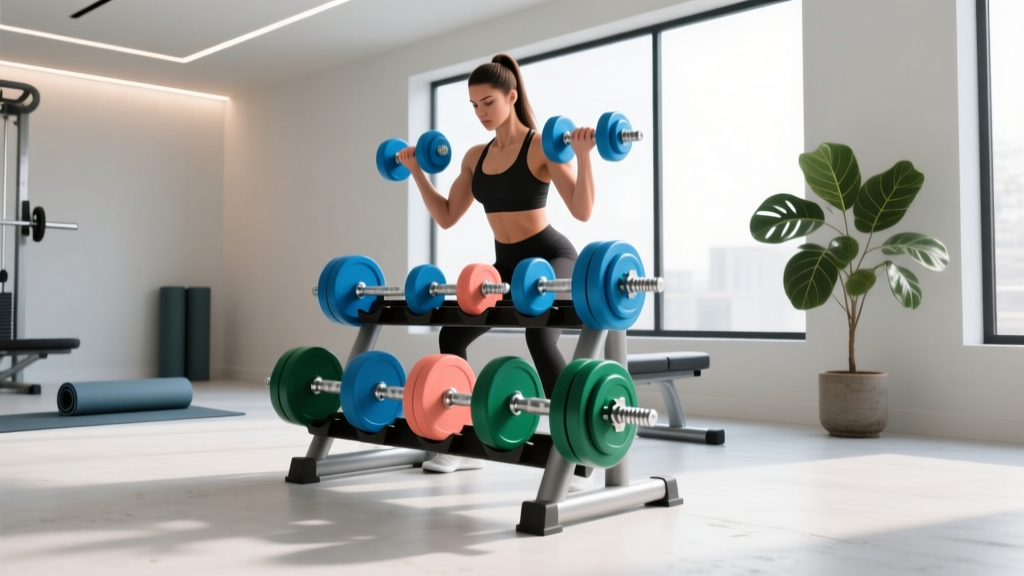
Loadable Dumbbell Care for Your Female Arm Workout With Dumbbells
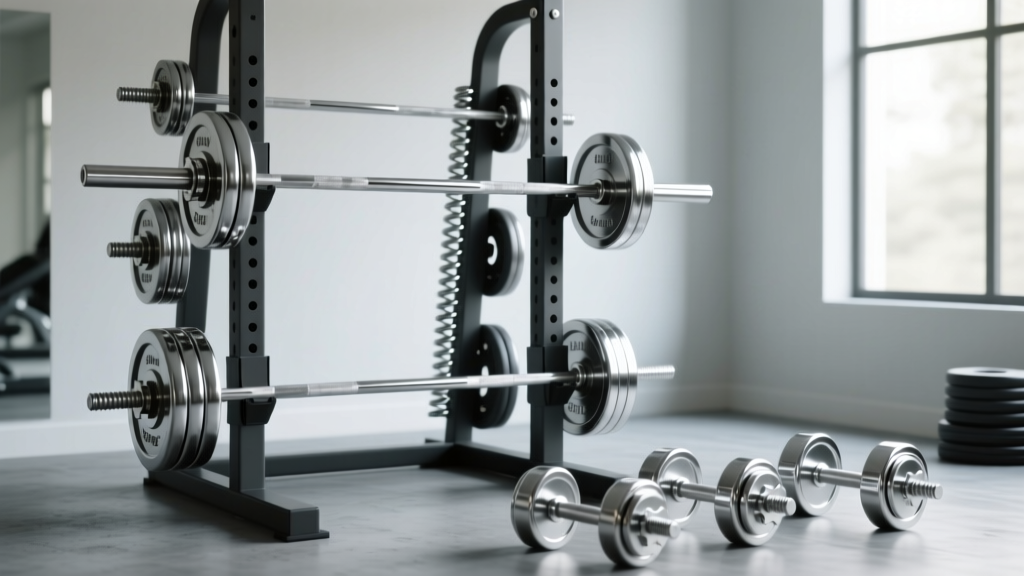
Barbell Collar Types & Dumbbell Chrome Set Troubleshooting
