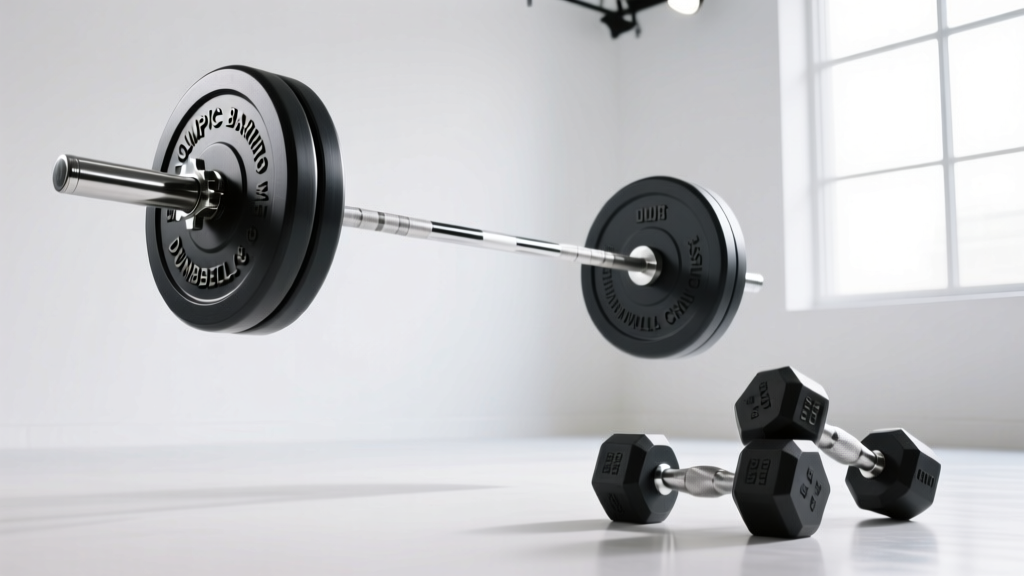
Olympic vs Standard Weight Plates: Gear for Dumbbell Plank Rows
Compare Olympic vs standard weight plates for your home gym. Discover how plate types impact heavy lifts, core anchors, and dumbbell plank rows.

Building a home gym requires making a foundational choice that will dictate your equipment ecosystem for decades: Olympic versus standard weight plates. While most buyers focus entirely on barbells and power racks, the plates themselves are the literal building blocks of your training. This decision impacts everything from your maximum deadlift to how you anchor bands for functional core movements like dumbbell plank rows. In this comprehensive 2026 buying guide, we break down the dimensional, material, and functional differences between the two standards to help you invest wisely and train safely.
The Dimensional Divide: 50.4mm vs. 25.4mm
The most critical difference between Olympic and standard plates lies in the center hole diameter, which dictates the barbells, dumbbells, and plate-loaded machines you can use. This divergence originated in the early 20th century when lifters like Milo Steinborn required thicker, stronger barbell sleeves to handle unprecedented squat and deadlift loads, leading to the 50mm standard.
Olympic Plates (50.4mm / 2-Inch)
Olympic plates feature a center hole of exactly 50.4 millimeters (nominally referred to as 2 inches). This is the undisputed global standard for commercial gyms, competitive powerlifting, and Olympic weightlifting. The larger sleeve diameter allows for thicker, high-tensile steel barbells that can withstand dropping from overhead without bending. If you plan to lift heavy, drop weights, or use commercial-grade functional trainers, Olympic is mandatory.
Standard Plates (25.4mm / 1-Inch)
Standard plates have a 25.4-millimeter (1-inch) center hole. These are typically found in budget-friendly big-box sporting goods stores and entry-level home gym sets. The smaller hole requires thinner barbell sleeves, which are prone to bending under heavy loads (typically failing or warping past 200 pounds). Standard plates are strictly for light rehabilitation, beginner isolation work, or extreme budget constraints.
Material Science: Cast Iron, Rubber, and Urethane
Beyond the hole size, the material composition of your plates affects noise, floor protection, and longevity. As of 2026, global supply chain stabilizations have refined these materials and their pricing structures significantly.
- Cast Iron: The traditional choice. Machined or cast, these offer the most accurate weight calibration and the slimmest profile on the barbell sleeve. Expect to pay between $1.25 and $1.75 per pound. However, they are loud and will damage unprotected flooring.
- Virgin Rubber: Encased iron plates. They protect floors and reduce noise but often emit a strong, lingering chemical odor (off-gassing) that can take months to dissipate in a poorly ventilated garage gym. Pricing hovers around $2.00 to $3.00 per pound.
- Urethane: The premium standard for commercial facilities. Urethane is odorless, highly resistant to UV degradation, and survives extreme temperature fluctuations. According to Rogue Fitness and other premium manufacturers, high-durometer urethane (85A-90A on the Shore hardness scale) costs between $5.00 and $8.00 per pound but offers a virtually indestructible lifespan.
Functional Anchoring and Core Stability
Weight plates are not just for loading onto barbells; they are vital anchors for functional training and cable systems. When executing high-tension anti-rotational movements like dumbbell plank rows (also known as renegade rows), your base of support and surrounding equipment ecosystem play a silent but vital role. The transverse abdominis and obliques fire maximally during dumbbell plank rows to prevent spinal rotation while the contralateral arm pulls the load.
Advanced athletes often use heavy 45-pound Olympic bumper plates to anchor resistance bands or plate-loaded landmine bases for standing anti-rotation presses. This serves as a direct biomechanical regression or progression to the NSCA's guidelines on core stabilization. A heavy, wide-profile Olympic bumper plate provides a vastly superior, slip-resistant anchor point on a rubber mat floor compared to a narrow, lightweight standard iron plate, ensuring your band doesn't snap back or shift during high-tension core work.
"The anti-rotational demands of the dumbbell plank row require absolute environmental stability. If your anchoring system shifts by even an inch, you lose the neurological stimulus to the obliques and compromise spinal alignment."
Head-to-Head Comparison Matrix
| Feature | Olympic Plates (50mm) | Standard Plates (25mm) |
|---|---|---|
| Center Hole | 50.4mm (2 inches) | 25.4mm (1 inch) |
| Max Barbell Load | 800 - 1,500+ lbs | 150 - 250 lbs (sleeve bend risk) |
| Plate Diameter (45lb) | 450mm (17.7 inches) | Varies, often smaller (14-15 inches) |
| Anchor Stability | Excellent (Wide base, heavy bumpers) | Poor (Narrow profile, prone to tipping) |
| 2026 Avg Cost (Iron) | $1.50 - $2.00 / lb | $1.25 - $1.50 / lb |
The Hidden Ecosystem: Sleeves, Collars, and Storage
Choosing your plate standard forces you into a specific hardware ecosystem. Olympic plates require heavy-duty steel storage trees with 2-inch pegs, capable of holding 500+ pounds per peg without warping. Standard plates use thinner pegs that can bend under heavy cast iron loads over time.
Furthermore, collars differ drastically. Olympic sleeves accommodate high-tension lock collars (like the Rogue HG 2.0 or OSPRO clamps), which clamp down with hundreds of pounds of lateral force to keep plates secure during dynamic movements. Standard bars rely on cheap spring clips or threaded star-lock nuts, which frequently loosen during exercises like barbell rows or floor presses, posing a severe safety hazard as plates slide off the sleeve mid-set.
Warning: The Adapter Trap
Many budget-conscious buyers purchase standard plates and use 'Standard to Olympic' sleeve adapters. While these plastic or aluminum inserts allow standard plates to fit on an Olympic bar, they introduce a dangerous layer of lateral play. During explosive lifts or when dropping the bar, these adapters can crack or slip, causing plates to slide off the sleeve. Always match your plate hole to your barbell sleeve natively.
Expert Buying Framework: Which Should You Choose?
Ultimately, the choice between Olympic and standard plates comes down to your long-term training horizon, spatial constraints, and budget.
Buy Standard If:
- You are outfitting a light-duty apartment gym with strict noise and weight limits.
- Your training consists exclusively of light isolation work, physical therapy, or resistance band anchoring for low-tension movements.
- Your total budget for plates and barbells is under $150, and you are sourcing used equipment locally.
Buy Olympic If:
- You plan to perform heavy compound lifts (squats, deadlifts, bench presses) exceeding 200 pounds.
- You practice Olympic weightlifting or CrossFit-style drops that require calibrated bumper plates.
- You need heavy, stable bumper plates to anchor functional training tools for advanced core work like dumbbell plank rows and landmine rotations.
- You want equipment that retains high resale value and matches commercial gym specifications.
For 95% of dedicated home gym owners, major retailers like Titan Fitness strongly recommend investing in Olympic plates from day one. The initial cost premium is easily offset by the safety, durability, and limitless progression potential of the 50mm ecosystem. Whether you are loading up a barbell for a heavy deadlift or pinning down a band for a brutal set of dumbbell plank rows, the Olympic standard provides the unshakeable foundation your training demands.
More gear to consider
All reviews
Optimize Space: Dumbbell Racks & Shrugs Workout Layouts

Bumper vs Iron Plates: Budget Analysis & Decline Dumbbell Pairings

Power Rack vs Squat Stand: Close Grip Dumbbell Floor Press Setup

EZ vs Straight Bar: Expert Review & Single-Arm Dumbbell Snatch
Best Loadable Dumbbells for Dumbbell Finger Curls (2026)