Olympic vs Standard Plates: Beyond the Dumbbell Ice Cream Trend
Skip the viral dumbbell ice cream trends and build a real home gym. Our 2026 guide compares Olympic vs standard weight plates, specs, and failure modes.

The Viral Distraction: Dumbbell Ice Cream vs. Real Iron
If you have spent any time on fitness TikTok or Instagram Reels recently, you have likely encountered the bizarre "dumbbell ice cream" trend. Whether it involves novelty dumbbell-shaped dessert molds, athletes attempting to churn ice cream using free weights as a makeshift crank, or influencers promoting high-sugar "ice cream" pre-workout bowls, the internet loves a viral fitness-food crossover. But while the dumbbell ice cream trend is entertaining, it will not help you build a foundational home gym. If you are investing in actual iron in 2026, the most critical decision you will make has nothing to do with novelty treats—it is choosing between Olympic and standard weight plates.
Understanding the biomechanical and structural differences between these two plate categories is the difference between building a lifetime gym and wasting hundreds of dollars on equipment that will fail you within a year. Let us break down the exact specifications, real-world pricing, and failure modes of standard versus Olympic weight plates.
The Anatomy of the Aperture: 1-Inch vs. 2-Inch
The defining difference between standard and Olympic equipment is the center hole diameter of the plate and the corresponding sleeve diameter of the barbell. This single measurement dictates the tensile strength, load capacity, and rotational mechanics of your entire setup.
Standard Equipment (1-Inch Aperture)
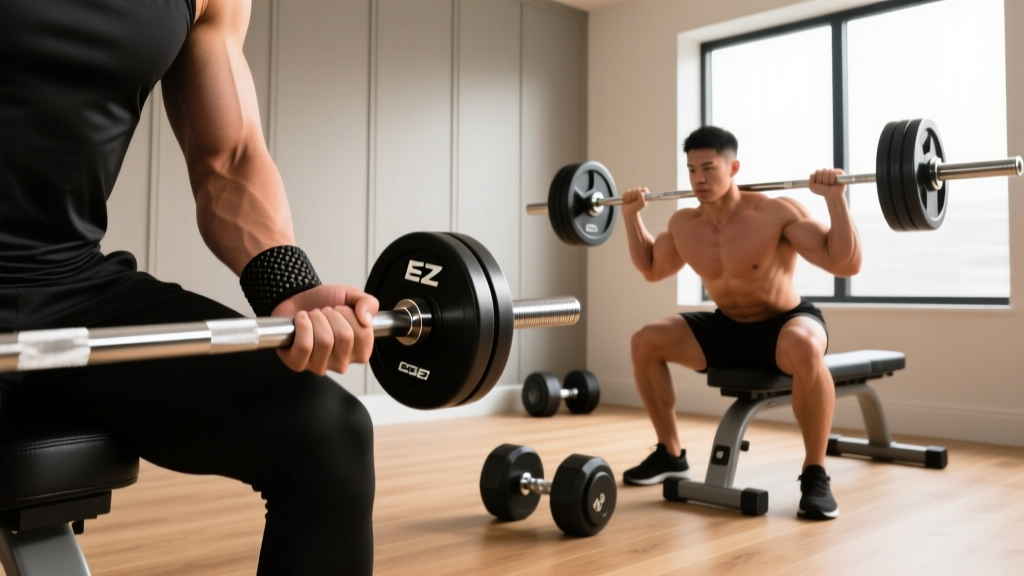
Standard weight plates feature a 1-inch (25.4mm) center hole. They are designed to slide onto 1-inch solid steel bars, which typically use threaded ends with spin-lock collars to secure the plates. Because a 1-inch solid steel rod lacks the cross-sectional area to support heavy loads without permanent deformation, standard bars generally max out at 200 to 250 pounds before they begin to bend. According to data on steel yield strength from the Engineering Toolbox, a standard carbon steel rod of this diameter will yield under the leveraged stress of a loaded barbell squat or deadlift.
Olympic Equipment (2-Inch Aperture)
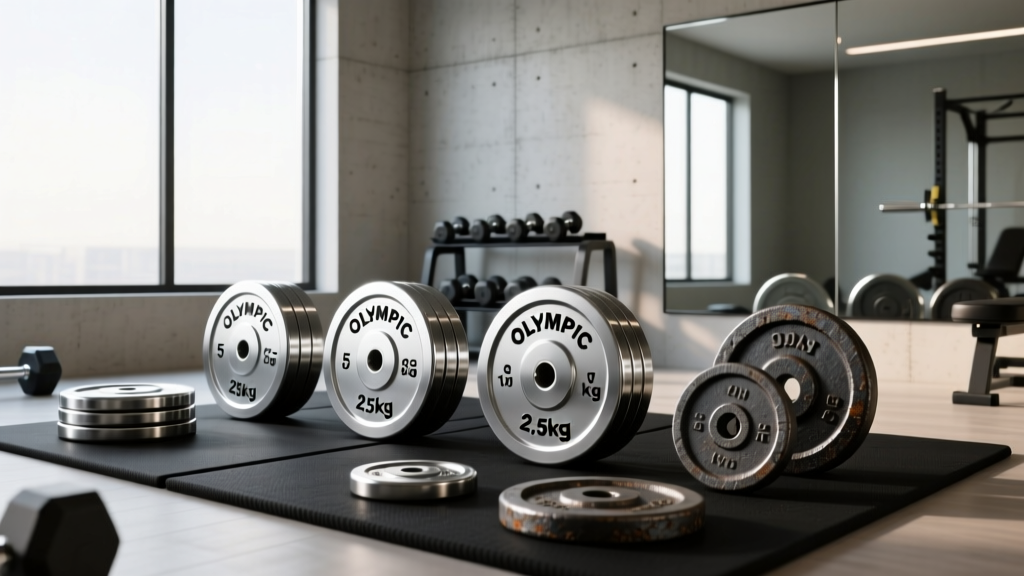
Olympic plates feature a 2-inch (50.8mm) center hole. Olympic barbells feature solid steel shafts with hollow, machined steel sleeves that rotate on bushings or needle bearings. This design allows the sleeves to spin independently of the shaft, which is crucial for Olympic weightlifting movements (cleans and snatches) to prevent the rotational inertia of the plates from tearing the lifter's grip. High-quality Olympic bars boast a tensile strength of 190,000 PSI or higher, easily supporting 500 to 1,000+ pounds.
⚠️ The "Standard" Misnomer: Despite the name, Olympic plates are the actual global standard for commercial gyms, powerlifting, and serious home setups. "Standard" plates are essentially a budget, entry-level category. Do not let the terminology fool you into thinking 1-inch plates are the industry baseline.Standard Weight Plates: The Budget-Friendly Starter
Standard plates are typically manufactured in two materials: cast iron or vinyl/cement composites. If you are strictly building a light-duty home gym for casual arm work or rehabilitation, standard plates can be acquired very cheaply.
The Vinyl/Cement Trap
Many big-box sporting goods stores sell standard plates made of a cement or sand mixture encased in a vinyl shell. While they are incredibly cheap (often under $1.00 per pound), they are notoriously inaccurate in weight, prone to cracking if dropped, and physically massive. A 25-pound vinyl plate can be up to 4 inches thick, making it impossible to fit more than a few plates on a standard threaded bar.
Cast Iron Standard Plates
Brands like CAP Barbell and York produce 1-inch cast iron plates. These are durable, accurate, and compact. However, you are still bottlenecked by the 1-inch barbell. Once you outgrow a 150-pound bench press, your standard bar will begin to flex dangerously, and you will be forced to sell your entire plate collection at a loss to upgrade.
Olympic Weight Plates: The Lifetime Investment
When you commit to the 2-inch Olympic ecosystem, you unlock a variety of plate materials tailored to specific training modalities. According to comprehensive equipment guides like BarBend's Best Weight Plates Guide, selecting the right Olympic plate material is just as important as the barbell itself.
Material Breakdown and 2026 Pricing
| Plate Type | Material | Best For | Avg. 2026 Price/Lb | Durability |
|---|---|---|---|---|
| Traditional Iron | Machined Cast Iron | Powerlifting, Bodybuilding | $1.80 - $2.50 | Lifetime (if kept dry) |
| Rubber Grip | Cast Iron core, Rubber coating | General Home Gyms, Studios | $2.50 - $3.50 | High (Prone to fading/odor) |
| Urethane (PU) | Steel core, Urethane coating | Commercial Gyms, Premium Home | $4.00 - $7.00 | Extreme (Scratch/Odor resistant) |
| Crumb Bumper | Recycled Rubber composite | CrossFit, Garage Drop-heavy | $2.00 - $3.00 | Medium (Can flake over time) |
| Competition Bumper | Virgin Rubber, Steel Hub | Olympic Weightlifting | $5.00 - $8.00+ | High (Calibrated to IWF specs) |
For serious lifters, machined cast iron plates like the Rogue Deep Dish Plates remain the gold standard. They offer a classic aesthetic, precise weight calibration, and a thin profile that allows you to load maximum weight onto the barbell sleeves.
Head-to-Head Comparison Matrix
Use this decision matrix to determine which ecosystem aligns with your 2026 fitness goals and budget constraints.
| Feature | Standard (1-Inch) | Olympic (2-Inch) |
|---|---|---|
| Center Hole | 1 inch (25.4mm) | 2 inches (50.8mm) |
| Barbell Sleeve Rotation | None (Fixed solid rod) | Yes (Bushings/Bearings) |
| Safe Max Load | ~200 lbs (varies by bar) | 500 - 1,500 lbs |
| Plate Materials | Iron, Vinyl/Cement | Iron, Rubber, Urethane, Bumper |
| Resale Value | Very Low (Hard to offload) | High (Always in demand) |
| Collar Type | Threaded Spin-Lock | Spring Clips / Clamp Collars |
| Initial Setup Cost | $150 - $300 (Bar + 100lbs) | $400 - $800+ (Bar + 100lbs) |
Real-World Failure Modes & Edge Cases
As a domain expert, I have reviewed hundreds of home gym setups and seen exactly how equipment fails when buyers cut corners. Here are the most common failure modes associated with weight plates and their corresponding bars:
- The Standard Bar "Taco" Effect: If you load 250 lbs onto a cheap 1-inch standard barbell for back squats, the bar will permanently bend (taco). Once a bar bends, it will never roll straight again, ruining your biomechanics and safety.
- Vinyl Plate Rupture: Vinyl/cement standard plates are highly susceptible to temperature changes. If kept in an unheated garage during winter, the vinyl becomes brittle. A single drop from waist height can shatter the casing, spilling concrete dust across your gym floor.
- Olympic Rubber Hub Blowouts: Cheap, no-name Olympic rubber plates often feature plastic or low-grade rubber center hubs. When dropped repeatedly on a barbell sleeve, the hub stretches and eventually tears, meaning the plate will no longer sit flush on the bar, causing dangerous rattling and uneven loading.
- Urethane Yellowing: While urethane plates are incredibly durable, lower-quality PU blends will yellow and degrade when exposed to direct UV sunlight. Never store premium urethane plates in a garage with direct sun exposure.
"The most expensive home gym mistake you can make is buying standard plates to 'save money' today, only to realize 18 months later that you have to sell them all at a 50% loss on Facebook Marketplace just to buy the Olympic plates you should have purchased in the first place."
The 2026 Buying Decision Framework
Skip the viral gimmicks and use this three-step framework to finalize your weight plate purchase:
Step 1: Assess Your 2-Year Strength Trajectory
If you are a beginner who will not exceed 135 lbs on the bench press or 225 lbs on the squat in the next 24 months, a high-quality cast iron standard set is a mathematically sound budget choice. If you are intermediate, or possess a high strength-to-weight ratio, skip standard entirely.
Step 2: Choose Your Olympic Sub-Type
- For Powerlifters & Bodybuilders: Buy Machined Cast Iron (e.g., Rogue Deep Dish or Rep Fitness Equipped Iron). They are thin, allowing maximum sleeve loading.
- For CrossFit & Weightlifters: Buy Bumper Plates. You need the uniform diameter to safely drop the bar from overhead without destroying your floor or the plates.
- For Premium Home Gyms: Buy Urethane. They do not smell like cheap rubber tires and will not scuff your walls or equipment.
Step 3: Factor in the Hidden Costs
Remember that moving to Olympic means you must also purchase an Olympic barbell ($150-$300+), Olympic dumbbell handles (if you want to use plates for dumbbell work), and an Olympic plate tree or rack for storage. Budget accordingly.
Final Verdict: Leave the Ice Cream, Buy the Iron
The dumbbell ice cream trend will fade from social media feeds by the end of the year, but the iron you put on your barbell will last a lifetime. While standard 1-inch plates serve a very narrow, budget-conscious niche, the 2-inch Olympic ecosystem is the undisputed king of free weights. By understanding the material differences, tensile limitations, and long-term resale value of your plates, you can build a home gym in 2026 that supports your strength journey from day one to your thousandth workout. Invest in the 2-inch standard, and let the internet keep the ice cream.
More gear to consider
All reviews
Maintaining Loadable Dumbbells for Seated Dumbbell Leg Extensions

Olympic vs Standard Plates for the One Arm Dumbbell Shoulder Press

Budget Breakdown: P-Orbital Dumbbell-Shaped Loadable Handle Value

Rubber vs Urethane: Care for the Rolling Dumbbell Triceps Extension
Home Gym Layout: Bumper vs Iron Plates & Bowflex 52.5 Dumbbells