Seated Incline Two Arm Dumbbell Curls: Olympic vs Standard Plate Mistakes
Troubleshoot common home gym mistakes with Olympic vs standard plates, and optimize your equipment setup for seated incline two arm dumbbell curls.

The 1-Inch vs 2-Inch Home Gym Trap
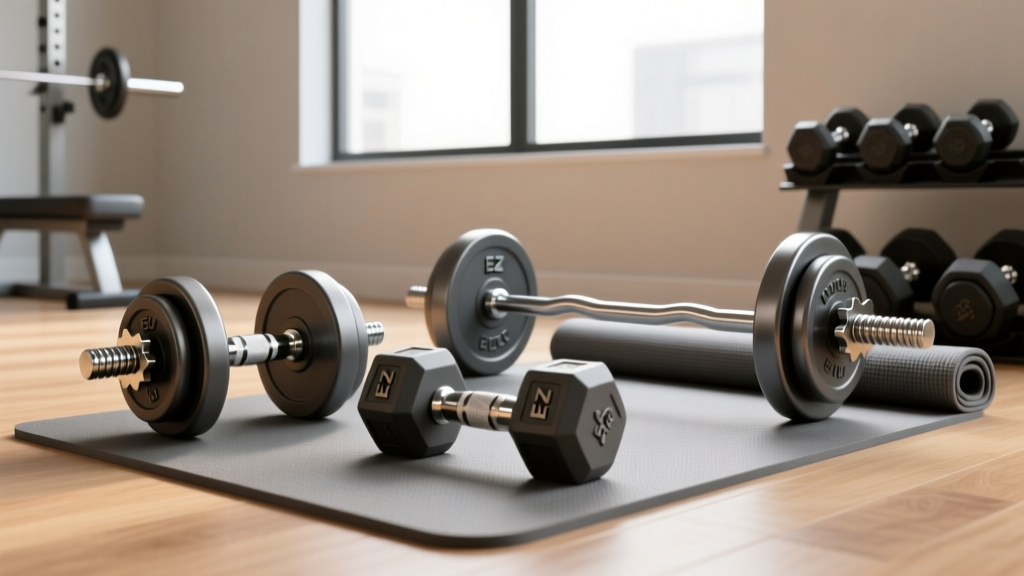
When outfitting a home gym, the most expensive mistake you can make isn't buying the wrong barbell—it's buying into the wrong plate ecosystem. The divide between Standard plates (1-inch center holes) and Olympic plates (2-inch center holes) dictates the ceiling of your strength progression. As of 2026, the fitness industry has largely standardized around Olympic-spec gear for serious lifters, yet budget retailers continue to push Standard cast-iron sets to beginners. This creates a cascading failure in equipment compatibility, particularly when you attempt to integrate plate-loaded dumbbell handles into isolation movements.
Standard plates are typically sold in budget 300-pound kits for $100 to $150. While the upfront cost is low, the manufacturing tolerances are notoriously poor. A 25-pound Standard plate can weigh anywhere from 22 to 28 pounds, and the outer diameter varies wildly between batches. Olympic plates, conversely, adhere to strict International Weightlifting Federation (IWF) guidelines, with high-end calibrated steel plates boasting a +/- 1% weight tolerance and standardized 450mm diameters.
How Plate Types Sabotage Seated Incline Two Arm Dumbbell Curls
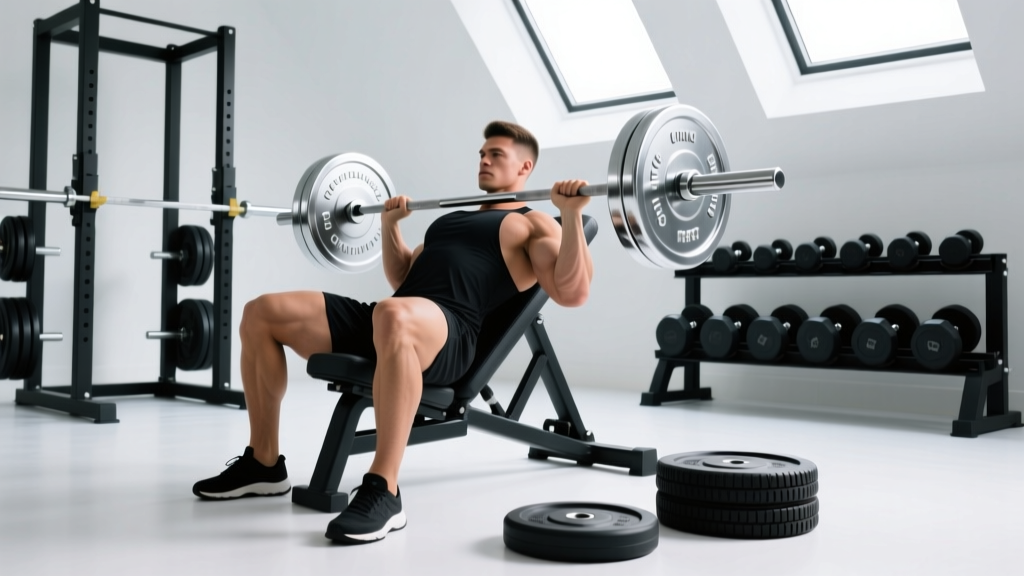
You might wonder how weight plate types affect a dumbbell exercise. The connection becomes glaringly obvious when you utilize plate-loadable dumbbell handles to perform seated incline two arm dumbbell curls. This exercise is a staple for targeting the long head of the biceps brachii. According to biomechanical analyses by ExRx.net, the incline position places the long head in a maximally stretched state because the muscle crosses the shoulder joint. To get the full benefit, your elbows must track cleanly behind your torso without obstruction.
Here is where the Standard vs. Olympic plate mistake manifests in three distinct failure modes:
- The Sleeve Clearance Failure: Standard 1-inch dumbbell handles usually feature stubby sleeves (around 6 to 8 inches). To load 40 pounds per hand, you must stack multiple thick, poorly cast Standard plates. This creates a bulky, wide dumbbell profile. When you lower the weight into the stretched position of an incline curl, the wide plates often collide with the uprights of your adjustable bench or your own ribcage, artificially cutting off your range of motion.
- The Balance and Wobble Issue: Standard plates often have uneven center holes and rough casting seams. When locked onto a dumbbell handle with a standard spin-lock collar, the plates can shift microscopically during the concentric phase of the curl, introducing rotational instability that forces your forearms to overcompensate, detracting from bicep activation.
- The Bench Footprint Clash: Budget Standard weight benches often have narrow rear leg footprints. If you are using large-diameter Standard 25-pound or 35-pound plates (which are physically massive compared to their Olympic counterparts), the plates will scrape the floor or the bench's rear support bar before your biceps reach full extension.
When performing seated incline two arm dumbbell curls with 1-inch Standard handles, the threaded spin-lock collars frequently loosen due to the rotational torque of the supination twist. Mid-set loosening causes plates to rattle, destroying your mind-muscle connection. Always use an Olympic-style clamp (like a Rogue HG 2.0 Collar) on 2-inch handles to eliminate this variable entirely.
Comparison Matrix: Standard vs. Olympic Ecosystems
Understanding the exact specifications of your gear is the first step in troubleshooting your home gym setup. Use this matrix to identify where your current equipment is bottlenecking your isolation and compound lifts.
| Feature | Standard Plates (1-Inch) | Olympic Plates (2-Inch) |
|---|---|---|
| Center Hole | 1 inch (25.4mm) | 2 inches (50.4mm) |
| Weight Tolerance | +/- 5% to 10% | +/- 1% (Calibrated) to 3% |
| Dumbbell Handle Sleeve | 6" - 8" (Limits max load) | 12" - 16" (Accommodates heavy loads) |
| Plate Profile (25lb) | Thick, variable diameter | Thin (Steel) or Standard 450mm (Bumper) |
| Resale Value (2026) | Negligible (Often given away) | High (Retains 60-80% of retail value) |
Troubleshooting Your Incline Curl Setup
If you are currently struggling with equipment interference during your bicep workouts, follow this step-by-step troubleshooting protocol to fix your setup.
- Audit Your Bench Angle: The National Strength and Conditioning Association (NSCA) notes that optimal stretch for the biceps brachii occurs when the shoulder is extended. Set your adjustable bench to a 45-degree or 60-degree incline. Anything steeper (75+ degrees) shifts the mechanical tension to the anterior deltoids.
- Measure Your Sleeve Clearance: Load your dumbbell handles with your working weight. Lie back and let your arms hang straight down. If the plates are within 1 inch of touching the bench's rear support legs, your plates are too wide. You must switch to thinner Olympic calibrated steel plates or elevate the bench on 4-inch rubber matting.
- Upgrade to Loadable Olympic Handles: Ditch the 1-inch threaded handles. Invest in a pair of 2-inch Olympic loadable dumbbell handles (such as the Rogue Loadable Dumbbell Handles, retailing around $95 each). Their extended sleeves allow you to use fewer, thinner plates to achieve the same weight, completely eliminating the clearance issue during the bottom portion of the incline curl.
- Implement Proper Collaring: Never rely on friction or cheap spring clips for incline work where the dumbbell travels over your face and torso. Use locking aluminum collars to secure the Olympic plates tightly against the sleeve shoulder.
2026 Gear Upgrades to Fix Your Rack
If you have decided to abandon the Standard plate ecosystem, here are the most cost-effective, high-performance Olympic upgrades available on the market today:
- For the Bumper Plate Route: Rogue Echo Bumper Plates remain the gold standard for home gyms. While bumpers are thick, their standardized 450mm diameter means a 10-pound plate and a 45-pound plate have the exact same outer dimensions, ensuring consistent clearance and balance on loadable dumbbell handles.
- For the Calibrated Steel Route: Titan Fitness Elite Calibrated Steel Plates offer a massive advantage for dumbbell loading. Because they are incredibly thin, you can load 60+ pounds onto a single 12-inch Olympic dumbbell sleeve without the stack extending past the collar, providing perfect rotational balance for strict curls.
- The Bench Solution: If you must use Standard plates due to budget constraints, purchase a commercial-grade flat/incline bench with a wide-base tripod rear support (like the Rep Fitness AB-3100 2.0) to ensure the wide Standard plates do not strike the frame during the eccentric lowering phase of the curl.
Frequently Asked Questions
Can I use a Standard barbell with Olympic plates?
No. Standard barbells have 1-inch diameter sleeves, while Olympic plates feature 2-inch center holes. Attempting to force an Olympic plate onto a Standard bar will damage the plate's insert and create a severe safety hazard. You must use an adapter sleeve (a 1-inch to 2-inch plastic or steel sleeve), though this is highly discouraged for heavy lifting due to the introduction of lateral play and instability.
Why do my wrists hurt during seated incline two arm dumbbell curls?
Wrist pain during this movement is rarely a bicep issue; it is usually a grip and equipment issue. If you are using thick, poorly balanced Standard plates on a short dumbbell handle, the center of gravity shifts. This forces your wrist into ulnar or radial deviation to stabilize the load. Switching to balanced Olympic plates on a contoured dumbbell handle aligns the center of mass directly with your forearm, eliminating the shear force on the wrist joint.
Are urethane Olympic plates better than rubber for home gyms?
Yes, especially in 2026. Urethane plates (like those from Eleiko or Urethane USA) do not off-gas the harsh chemical odors associated with cheap recycled rubber Standard plates. Furthermore, urethane is vastly more resistant to UV degradation and physical abrasion, meaning the plates will not flake or leave black scuff marks on your bench or flooring during heavy dumbbell drop-sets.
More gear to consider
All reviews
Power Rack vs Squat Stand: Lower Chest Dumbbell Exercise Mistakes
Olympic vs Standard Plates for Heavy Delts Dumbbell Workouts

Bumper vs Iron Plates: Layouts & Great Arm Exercises with Dumbbells

Rubber Hex vs Urethane: Are 40 lb Dumbbells Worth the Upgrade?

Rubber Hex vs Urethane: Value & Single Arm Dumbbell Row GIF