
Olympic vs Standard Plates: Loading the Dumbbell Pistol Squat
Compare Olympic vs standard weight plates for home gyms. Learn which sleeve size and plate type best supports heavy dumbbell pistol squats and barbell lifts.

The Core Debate: 1-Inch Standard vs 2-Inch Olympic Sleeves
When outfitting a home gym, the decision between standard (1-inch sleeve) and Olympic (2-inch sleeve) weight plates dictates not just your barbell choices, but your entire dumbbell ecosystem. While standard plates offer an accessible entry point, Olympic plates remain the undisputed gold standard for durability, accuracy, and heavy loading. But how does this choice impact advanced unilateral movements like the dumbbell pistol squat?
According to biomechanical research published in the National Library of Medicine, single-leg squats place massive asymmetric demands on the knee and hip stabilizers, requiring precise load management. When you introduce a loadable dumbbell into this equation—holding it goblet-style or extended for counterbalance—the physical dimensions and accuracy of your weight plates directly influence your center of mass, grip fatigue, and joint safety.
Quick Spec Matrix: Standard vs Olympic
| Feature | Standard (1-Inch) | Olympic (2-Inch) |
|---|---|---|
| Sleeve Diameter | 1.0 inch (25.4mm) | 1.96 inches (50mm) |
| Max Dumbbell Load | 45 - 70 lbs (per side) | 100 - 150+ lbs (per side) |
| Handle Thickness | 1.0 - 1.25 inches | 1.5 - 2.0+ inches |
| Collar Mechanism | Spin-lock / Star nut | Spring clip / Clamp |
Head-to-Head: Plate Accuracy and Material Science
Standard Cast Iron Plates: The Budget Entry Point
Standard plates are typically cast from lower-grade iron and painted with a baked enamel or hammertone finish. They are manufactured using sand-casting molds, which inherently leads to weight discrepancies. It is common for a standard 10-pound plate to actually weigh anywhere from 9.2 to 11.5 pounds. While this 5-10% variance is negligible for basic isolation exercises, it becomes a glaring issue when attempting highly technical, balance-dependent movements like the dumbbell pistol squat, where a half-pound difference between the left and right hand can disrupt your vestibular alignment and cause a failed rep.
Olympic Plates: Machined Precision and Longevity
Olympic plates, such as the machined cast iron or calibrated steel options detailed on the Rogue Fitness product lines, are held to much stricter tolerances. Machined cast iron plates are milled down to exact specifications, usually guaranteeing a weight variance of less than 2%. Calibrated steel plates (often used in powerlifting) boast an accuracy of +/- 10 grams. Furthermore, the 2-inch center hole is lined with stainless steel inserts or precision-machined brass bushings, allowing them to glide onto loadable dumbbell handles without chipping the paint or gouging the sleeve.
Application Focus: Loading for the Dumbbell Pistol Squat
The dumbbell pistol squat is an elite-tier unilateral movement. Unlike a barbell back squat, which distributes weight bilaterally across the traps, the dumbbell pistol squat requires you to hold a loadable dumbbell either in a goblet position (tucked to the chest) or extended outward as a counterbalance. Here is where the Olympic vs. Standard debate shifts from mere plate specs to handle ergonomics and weight distribution.
Grip Fatigue and Handle Ergonomics
To load standard plates, you must use a 1-inch dumbbell handle. These handles are generally thin (around 1 inch in diameter) and short (14 to 16 inches total length). While the thin grip is easy on the forearms, the short sleeves mean you are limited to smaller diameter plates.
Conversely, an Olympic loadable dumbbell handle features a 2-inch sleeve and a significantly thicker grip (often 1.5 to 2 inches). Holding a thick-handled Olympic dumbbell at chest height during a pistol squat heavily taxes the brachioradialis and finger flexors. As you descend into the hole of the pistol squat, your grip is simultaneously fighting the rotational torque of the 2-inch plates and the systemic fatigue of the single-leg descent.
⚠️ Biomechanical Warning: If you are using an Olympic loadable dumbbell for pistol squats, be mindful of grip failure occurring before leg failure. The thicker 2-inch handle drastically increases the rate of perceived exertion (RPE) in the forearms. Consider using lifting straps for the extended counterbalance variation if your primary goal is unilateral leg hypertrophy rather than grip conditioning.Weight Distribution and Swing Mechanics
Standard plates have a smaller physical footprint. A 25-pound standard plate is roughly 10 inches in diameter. An Olympic 25-pound cast iron plate is closer to 14.5 inches. When you extend the dumbbell forward to counterbalance your hips during the bottom phase of the pistol squat, the wider profile of the Olympic plates shifts the center of mass slightly further away from your body. This requires greater core bracing and erector spinae engagement to prevent the weight from pulling you forward onto your toes.
Real-World Failure Modes: What Breaks First?
When pushing heavy loads on unilateral exercises, equipment failure can result in severe injury. Here are the specific failure modes we track for both systems:
- Standard Spin-Lock Thread Stripping: During the eccentric (lowering) phase of a pistol squat, the dumbbell experiences micro-vibrations. Over time, these vibrations loosen the star-nut spin-lock collars on standard handles. If the collar backs off by even a quarter-inch, the plates shift, instantly altering the dumbbell's balance and potentially causing a catastrophic loss of stability at the bottom of the squat.
- Standard Sleeve Bending: 1-inch solid steel dumbbell handles are prone to permanent deformation (bending) when loaded past 60 pounds per side and dropped, or when subjected to the high torque of heavy unilateral holds.
- Olympic Spring Clip Slippage: While Olympic handles use heavy-duty spring clips or aluminum clamps, cheap third-party spring clips can fail to exert enough lateral pressure on wide bumper plates. Always use calibrated steel collars or high-tension competition clips (like the OSO Pro or Rogue HG 2.0) when performing dynamic single-leg movements.
2026 Cost Analysis: Price-Per-Pound Matrix
As of early 2026, the market pricing for weight plates has stabilized following the supply chain fluctuations of the early 2020s. Below is a realistic breakdown of what you can expect to pay when building your plate arsenal.
| Plate Category | Sleeve Type | Avg. Price Per Pound | Best Use Case |
|---|---|---|---|
| Standard Cast Iron (Used/New) | 1-Inch | $0.80 - $1.20 | Beginner home gyms, light accessory work |
| Olympic Cast Iron (Machined) | 2-Inch | $1.50 - $2.20 | Heavy loading, loadable dumbbells, barbell work |
| Olympic Urethane Bumper | 2-Inch | $2.50 - $3.50 | Garage gyms, noise reduction, Olympic lifts |
| Calibrated Steel (Competition) | 2-Inch | $4.50 - $6.50 | Powerlifting, precise micro-loading |
Final Verdict: Which System Should You Buy?
If your training revolves around basic isolation movements, and you are strictly on a budget, standard plates paired with a 1-inch dumbbell handle will suffice. However, they are a dead-end investment. The 1-inch ecosystem simply cannot support the heavy, asymmetric loading required for advanced athletic development.
For athletes incorporating the dumbbell pistol squat, Bulgarian split squats, and heavy unilateral carries into their programming, the Olympic 2-inch system is mandatory. The thicker sleeves accommodate heavier weights without bending, the machined plates offer the precise weight distribution needed for complex balance movements, and the compatibility with high-tension clamps ensures your plates won't shift mid-rep. Invest in a quality pair of Olympic loadable dumbbell handles and machined cast iron plates; it is a one-time purchase that will safely support your unilateral strength progression for decades.
More gear to consider
All reviews
Rack Guide: Power vs Squat Rack vs Stand + Dumbbell Workout Arms Abs

Back Squats with Dumbbells: Beginner Guide Using Neoprene Weights

Budget Breakdown: Loadable Plates for Bicep Workouts With Dumbbells
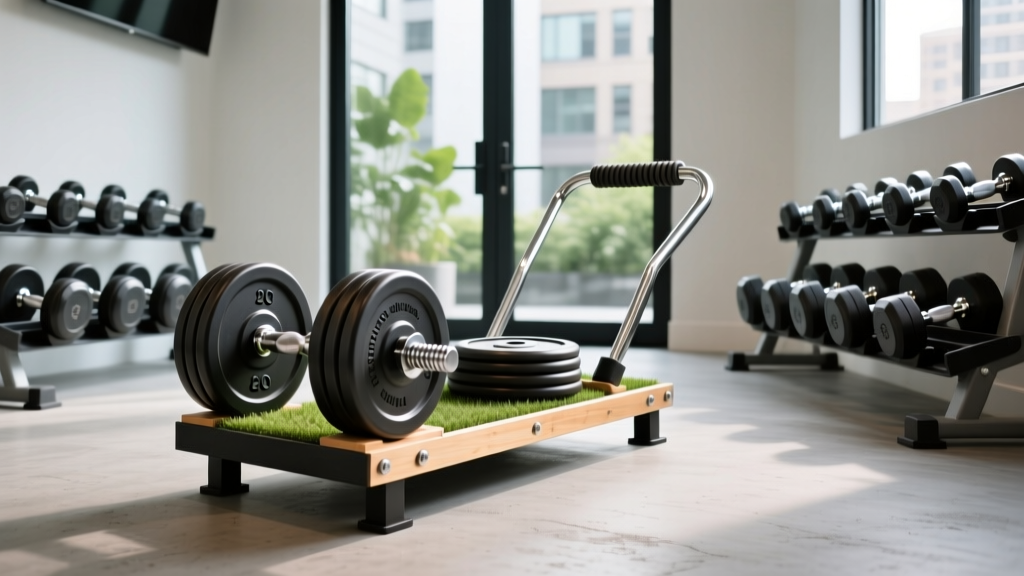
Building a Dumbbell Lawn Mower Sled: Olympic vs Standard Plates Setup

Dumbbell Thrusters Squat to Press: A Beginner's Neoprene Guide
