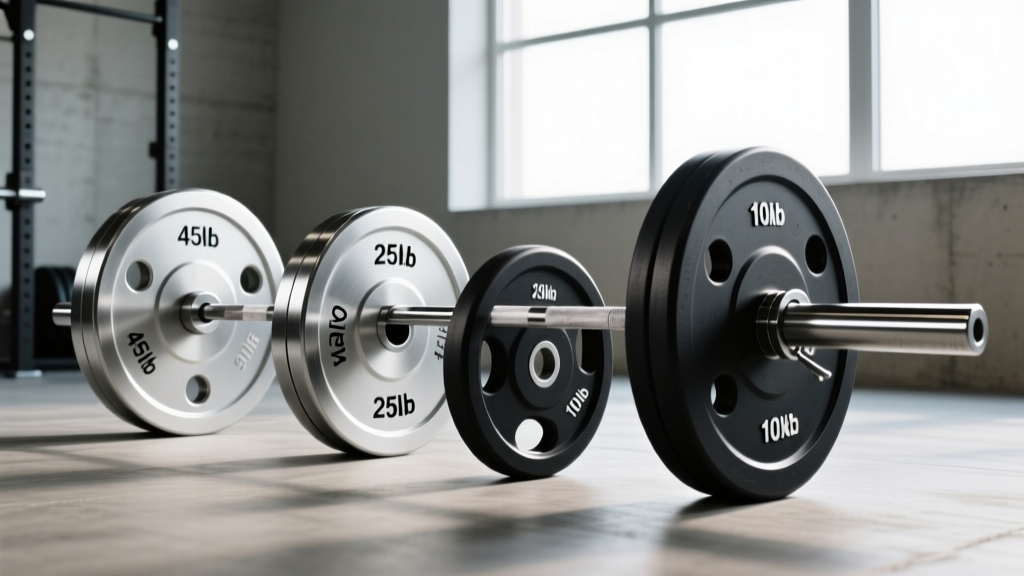
Olympic vs Standard Plates: Beyond the Dumbbell Curl GIF
Compare Olympic vs standard weight plates. Discover hole sizes, load capacities, and pricing to upgrade your home gym beyond basic dumbbell curl routines.

Every lifter’s journey begins somewhere. For many, it starts with a pair of adjustable dumbbells in a garage, studying a dumbbell curl gif to perfect elbow supination and mind-muscle connection. But as your strength outgrows 50-pound dumbbells, the barbell becomes your primary tool for progressive overload. This transition inevitably leads to the most critical equipment decision in your home gym build: choosing between standard and Olympic weight plates.
While the untrained eye might see them as identical iron circles, the engineering, safety limits, and biomechanical implications of 1-inch versus 2-inch plates are vastly different. In this 2026 in-depth buying guide, we break down the exact specifications, failure modes, and real-world pricing of both systems so you can build a rack that lasts a lifetime.
The Core Dilemma: 1-Inch vs 2-Inch Architecture
The fundamental difference between standard and Olympic weight plates lies in the center hole diameter, which dictates the barbell sleeve they can slide onto. This seemingly small measurement difference cascades into entirely different ecosystems of barbells, collars, and rack attachments.
The 'Standard' Misnomer: In the fitness industry, 'Standard' actually refers to the cheaper, lighter-duty 1-inch equipment. 'Olympic' refers to the 2-inch professional standard governed by the International Weightlifting Federation (IWF). If you want gym-quality gear, you are actually looking for Olympic, not Standard.Dimensional Tolerances and Fit
Standard plates feature a 1-inch (25.4mm) center hole. They are designed to slide onto solid steel, one-piece bars that lack rotating sleeves. Olympic plates feature a 2-inch (50.8mm) hole, designed for engineered barbells with rotating sleeves, bushings, or needle bearings. According to ExRx weight training equipment standards, the rotational capacity of Olympic sleeves is critical for reducing torque on the lifter's wrists during dynamic movements.
Head-to-Head Comparison Matrix
Before committing your budget, review the hard data. The table below contrasts the physical and economic realities of both plate types as of the current 2026 market.
| Feature | Standard (1-Inch) | Olympic (2-Inch) |
|---|---|---|
| Center Hole | 1 inch (25.4mm) | 2 inches (50.8mm) |
| Max Safe Bar Load | 200 - 300 lbs | 700 - 1,500+ lbs |
| Sleeve Rotation | None (Solid Bar) | Bushings or Needle Bearings |
| Plate Materials | Cast Iron, Vinyl-filled | Cast Iron, Urethane, Rubber Bumper |
| 2026 Avg Cost (Iron) | $1.20 - $1.60 / lb | $1.80 - $2.50 / lb |
| Resale Value | Low (High local supply) | High (Holds 70-80% value) |
Standard Weight Plates: The Budget Starter Kit
Standard plates are typically sold in big-box sporting goods stores or bundled with entry-level home gym racks. Brands like CAP Barbell, Marcy, and Weider dominate this space. They are almost exclusively made of cast iron or concrete encased in vinyl.
The Hidden Failure Modes of 1-Inch Gear
The primary danger of standard plates isn't the plates themselves, but the bars they require. A standard 1-inch solid steel bar has no rotating sleeves. When you perform exercises that require rotational torque—like barbell curls, upright rows, or cleans—the plates want to spin, but the bar won't. This transfers massive kinetic force directly into your wrists and elbows.
Furthermore, standard bars suffer from catastrophic yield failure under heavy loads. A typical 1-inch bar will begin to permanently bend (plastic deformation) when loaded past 250 lbs. If you are benching or squatting heavy, the bar can snap or bend on the rack, creating a severe safety hazard. The National Strength and Conditioning Association (NSCA) heavily emphasizes equipment load-capacity matching to prevent structural failure in resistance training environments.
Olympic Weight Plates: The Lifetime Investment
Olympic plates represent the gold standard for commercial gyms, powerlifting federations, and serious home garages. The 2-inch hole accommodates engineered barbells featuring high-tensile strength steel (190k to 215k PSI) and rotating sleeves.
Cast Iron vs. Bumper Plates
When buying Olympic plates in 2026, you must choose between traditional cast iron and modern bumper plates:
- Cast Iron (e.g., Rogue Deep Dish, York Legacy): Ideal for powerlifting and bodybuilding. They are thinner, allowing you to load more weight onto the sleeve (up to 600+ lbs on a standard 16.3-inch sleeve). They are loud when dropped and can crack concrete floors.
- Rubber/Urethane Bumpers (e.g., Fringe Sport, Eleiko): Engineered with a stainless steel insert and vulcanized rubber. They have a standardized 450mm diameter regardless of weight (from 10 lbs to 55 lbs), meaning you can safely drop the bar from overhead without the smaller plates taking the brunt of the impact. Essential for Olympic weightlifting and CrossFit.
Biomechanics and Loading: Why the Barbell Matters
You can watch every dumbbell curl gif on the internet to optimize your biceps peak and isolate the brachialis, but eventually, you need to move heavy, systemic loads. Transitioning to barbell work requires equipment that respects human biomechanics.
Expert Insight: When executing a barbell curl or a heavy deadlift, the asymmetrical grip and natural pronation/supination of the forearm create rotational torque. Olympic bars use bronze bushings or needle bearings to allow the sleeve to spin independently of the shaft. Standard bars lock the plates in place, forcing the lifter's connective tissue to absorb the rotational shear force.
This is why Olympic plates are not just about lifting heavier; they are about lifting safer and preserving your joints for decades of training.
The 2026 Home Gym Decision Framework
Use this step-by-step logic tree to finalize your purchase decision:
- Assess Your Current 1-Rep Max (1RM): If your deadlift or squat is approaching 225 lbs, abandon standard plates immediately. The structural integrity of 1-inch bars is compromised at this threshold.
- Evaluate Your Flooring: If you have a bare concrete garage floor and plan on deadlifting without lowering the weight slowly, you must buy Olympic Rubber Bumper plates and invest in 3/8-inch horse stall mats. Cast iron will shatter or chip the concrete.
- Calculate the 'Buy It For Life' (BIFL) Cost: While standard plates save you about $0.60 per pound upfront, they have near-zero resale value. Olympic cast iron plates can be resold on the used market for 75% to 85% of their retail price. The net cost of ownership for Olympic gear is actually lower over a 5-year period.
Frequently Asked Questions
Can I use 1-inch to 2-inch adapters?
You can buy plastic or steel adapter sleeves that slide over a 1-inch bar to accept 2-inch Olympic plates. However, this is strongly discouraged. The adapters add bulk, reduce the usable sleeve length, and introduce a dangerous layer of slop and friction. More importantly, the underlying 1-inch bar is still prone to bending under the heavy loads that Olympic plates facilitate.
Do all Olympic plates fit all Olympic bars?
Generally, yes, but tolerances matter. The IWF mandates a 50mm sleeve, but manufacturing variances exist. Some commercial bars measure 50.4mm, while premium power bars measure exactly 50.8mm. If you buy cheap, uncalibrated plates with a tight 50mm hole, they may get stuck on a precision 50.8mm barbell. Stick to reputable brands like Rogue, Rep Fitness, or Eleiko to ensure standardized tolerances.
Is it ever worth buying used standard plates?
Only if you are building a temporary, ultra-budget setup (under $200 total) and plan to upgrade within a year. Standard plates are often found on local marketplaces for pennies on the pound because people outgrow them quickly. Use them as a stepping stone, but do not build a permanent power rack around a 1-inch ecosystem.
More gear to consider
All reviews
Beyond Workouts Using Dumbbells Only: 2026 Kettlebell Trends
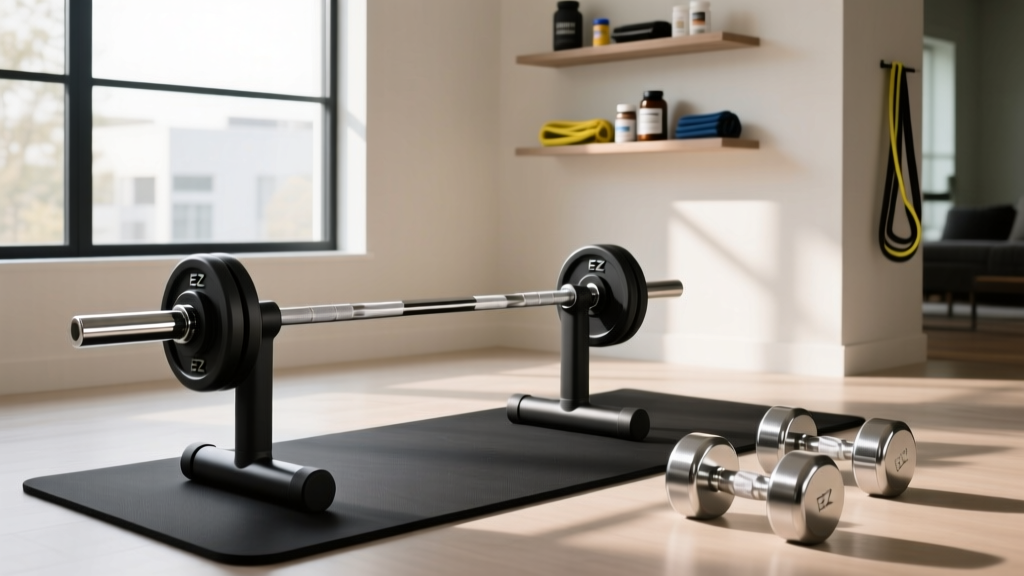
EZ Curl Bar vs Straight Bar: Upgrading Your Dumbbell Workout Regimen
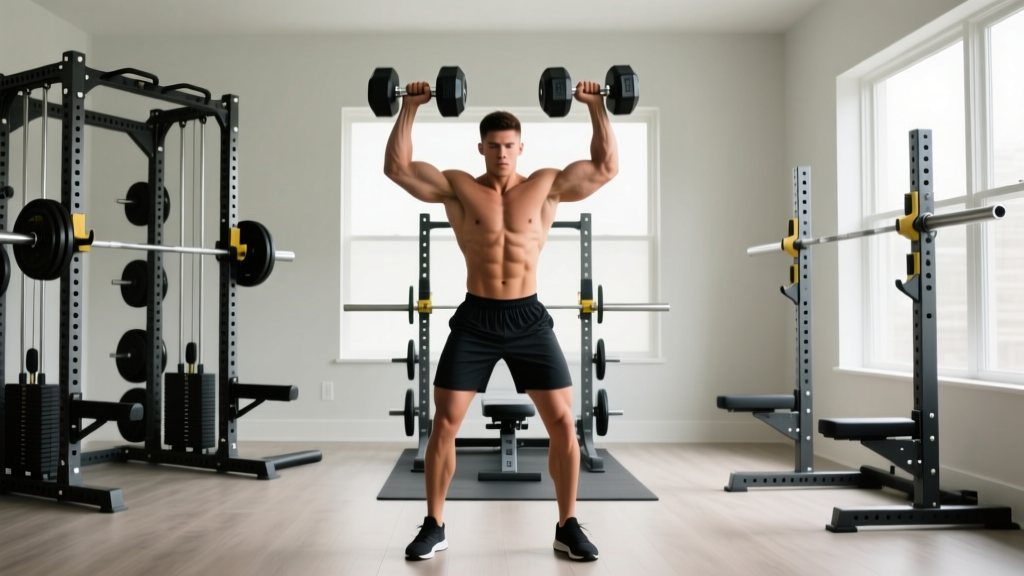
Dumbbell Push Jerk Setup: Power Rack vs Squat Rack vs Squat Stand

Bumper vs Iron Plate Comparison & The Underhand Dumbbell Bench Press

Bumper Plate vs Iron Plate Comparison & Dumbbell Exercises for Abs for Ladies
