
Olympic Barbell Guide: Knurling, Weight & Dumbbell Back Row Mistakes
Master our Olympic barbell buying guide focusing on weight and knurling. Troubleshoot common dumbbell back row mistakes and upgrade your pulling mechanics.

The Pulling Plateau: Troubleshooting the Dumbbell Back Row
If you have been building your back exclusively with dumbbells, you have likely hit a frustrating plateau. The dumbbell back row is a foundational hypertrophy movement, but as you approach the 80-to-100-pound range per hand, the exercise often breaks down. The primary failure point is rarely your latissimus dorsi or rhomboids; it is your grip strength, core stabilization, and the sheer logistical nightmare of hoisting massive dumbbells into position.
When grip fatigue limits your muscular output, or when asymmetrical loading causes your torso to twist and compromise your lumbar spine, it is time to transition to a barbell. However, blindly grabbing any rusty Olympic barbell off the rack will only trade one set of problems for another. To truly fix your pulling mechanics and maximize back development in 2026, you need an Olympic barbell specifically optimized for heavy, high-volume rowing. This requires a deep understanding of barbell weight, shaft diameter, and—most critically—knurling patterns.
Troubleshooting Callout: The Grip-Fail Indicator
How do you know if the dumbbell back row is holding you back? Perform a set to failure. If your fingers peel open and the weight drops before you feel a deep, burning contraction in your mid-back, your grip is the bottleneck. A properly knurled 20kg Olympic barbell allows you to utilize a hook grip or mixed grip, instantly bypassing this limitation and shifting the tension back to your lats.
Olympic Barbell Buying Guide: Decoding Knurling for Heavy Pulls
Knurling is the cross-hatched pattern machined into the steel shaft of the barbell. It dictates how much friction your hands can generate before chalk and sweat compromise your hold. For rowing movements—where the bar is dragging against your legs and gravity is actively trying to peel your fingers open—knurl selection is paramount. According to biomechanical analyses of pulling movements documented by ExRx.net, maintaining a neutral wrist and secure grip is essential for isolating the posterior chain without undue shear force on the elbow tendons.
In the current 2026 fitness equipment market, manufacturers generally categorize knurling into three distinct profiles:
| Knurl Profile | Visual Shape | Aggression Level | Best Use Case for Rows |
|---|---|---|---|
| Volcano | Concave peaks with a rim | Medium (Gritty) | Ideal for high-volume hypertrophy rows (8-15 reps). |
| Mountain | Sharp, pointed peaks | High (Aggressive) | Best for 1-3 rep max deadlifts; will tear hands on rows. |
| Hill | Rounded, shallow peaks | Low (Mild) | Poor for heavy rows; hands will slip with sweat. |
For a dedicated rowing barbell, the volcano knurl is the undisputed champion. It provides a 'gritty' friction that locks the bar into your calluses without acting like a cheese grater on high-rep Pendlay rows or seal rows. The Rogue Ohio Bar (priced around $245 in 2026) features a highly refined volcano knurl that has become the industry gold standard for multi-purpose pulling. Conversely, avoid power bars with deep mountain knurling (like the Rogue Ohio Power Bar); while excellent for low-rep squats, they will shred your palms during a 4-set back day.
Shaft Diameter, Weight, and Whip: The Hidden Variables
When consulting an Olympic barbell buying guide, lifters often fixate on the total weight (usually the standard 20kg / 44lbs) and ignore the shaft diameter. This is a critical mistake for back training.
- 28mm Shaft (Olympic Weightlifting Bars): Thinner shafts are easier to wrap your fingers around, promoting a secure hook grip. Excellent for lifters with smaller hands transitioning from the dumbbell back row.
- 28.5mm Shaft (Multi-Purpose Bars): The sweet spot. Provides enough surface area for heavy loading without compromising grip closure.
- 29mm Shaft (Powerlifting Bars): Thicker and stiffer. While great for bench pressing, a 29mm shaft can accelerate grip fatigue during heavy barbell rows, mimicking the exact bottleneck you experienced with thick-handled dumbbells.
Bushing vs. Bearing: Why Spin Matters
Barbells utilize either bushings (bronze or composite sleeves) or needle bearings to allow the sleeves to spin independently of the shaft. For Olympic lifts like the snatch, needle bearings are mandatory to reduce rotational inertia. However, for heavy, slow, and controlled movements like the barbell row, bushings are vastly superior. Needle bearings can create a 'whippy' and unstable feeling when you pause a 225lb row at the top of the movement. Composite bushings offer a smooth, controlled rotation that stabilizes the barbell as you squeeze your scapulae together.
Warning: The Center Knurl Saboteur
Many powerlifting bars feature an aggressive center knurl designed to grip the back of your shirt during heavy squats. If you perform Pendlay rows (where the bar rests on your torso/belly between reps) or seal rows, a sharp center knurl will aggressively scrape your lower back and stomach, causing severe skin tearing. Always opt for a barbell with a smooth center ring or a very mild center knurl if rowing is a priority in your programming.
Step-by-Step Transition: Migrating from Dumbbells to Barbells
Upgrading your equipment is only half the battle. To effectively troubleshoot your old dumbbell back row mistakes and apply them to your new Olympic barbell, follow this progression protocol:
- Fix the Hip Hinge (Week 1): The most common mistake in the dumbbell back row is standing too upright, turning the movement into a glorified shrug. With your new 20kg barbell, practice the Romanian Deadlift (RDL) hinge to lock your torso at a strict 45-degree angle.
- Master the Hook Grip (Week 2): Dumbbells force a neutral or pronated grip. The barbell allows the hook grip (wrapping your thumb around the bar, then wrapping your index and middle fingers over your thumb). This completely eliminates grip failure on sets of 10+ reps.
- Eliminate the 'Cheat' Momentum (Week 3): Because the barbell connects both arms, it is tempting to use leg drive to heave the weight up. If you must use momentum, you have selected the wrong weight. Drop the weight by 15%, focus on a 2-second eccentric lowering phase, and let the volcano knurl do the work.
- Integrate Unilateral Deficit Work (Week 4): To maintain the stabilizing benefits of the dumbbell back row, supplement your heavy barbell rows with single-arm landmine rows or Meadows rows using the same barbell.
2026 Market Recommendations & Price Points
The fitness equipment market has seen significant stabilization in steel pricing and shipping logistics as of 2026. Based on extensive testing methodologies outlined by industry experts at Garage Gym Reviews, here are the top-tier barbell investments for back specialization:
- The Budget Multi-Purpose ($225 - $260): Rogue Ohio Bar (Stainless Steel or Cerakote). Features a perfect 28.5mm shaft and volcano knurl. The composite bushings provide the exact stability needed for heavy Pendlay rows.
- The Premium Specialist ($800 - $950): Eleiko Sport Training Bar. Boasts a 28mm shaft with a uniquely mild but highly secure knurl pattern. Ideal for high-volume hypertrophy blocks where hand preservation is critical.
- The Ergonomic Edge-Case ($400+): Kabuki Strength Kadillac Bar. While not a standard Olympic barbell, this specialty cambered bar allows for neutral and pronated grip rowing with significantly reduced shoulder impingement. It is the ultimate troubleshooting tool for lifters with chronic rotator cuff issues stemming from years of poor dumbbell back row mechanics.
Final Thoughts on Pulling Mechanics
The dumbbell back row is an exceptional tool for isolation and addressing muscular imbalances, but it should not be the ceiling of your back development. By understanding the nuances of an Olympic barbell buying guide—specifically prioritizing volcano knurling, 28.5mm shaft diameters, and bushing-based sleeves—you can shatter your pulling plateaus. Invest in the right steel, respect the hip hinge, and watch your back thickness and overall strength reach new thresholds in your 2026 training cycles.
More gear to consider
All reviews
Dumbbell Bench Press Machine Setup & Barbell Collar Guide

Barbell Collar & Clamp Types: Tricep Push Down Dumbbell Safety

Best T Bar Row Alternative with Dumbbells: Loadable Budget Guide
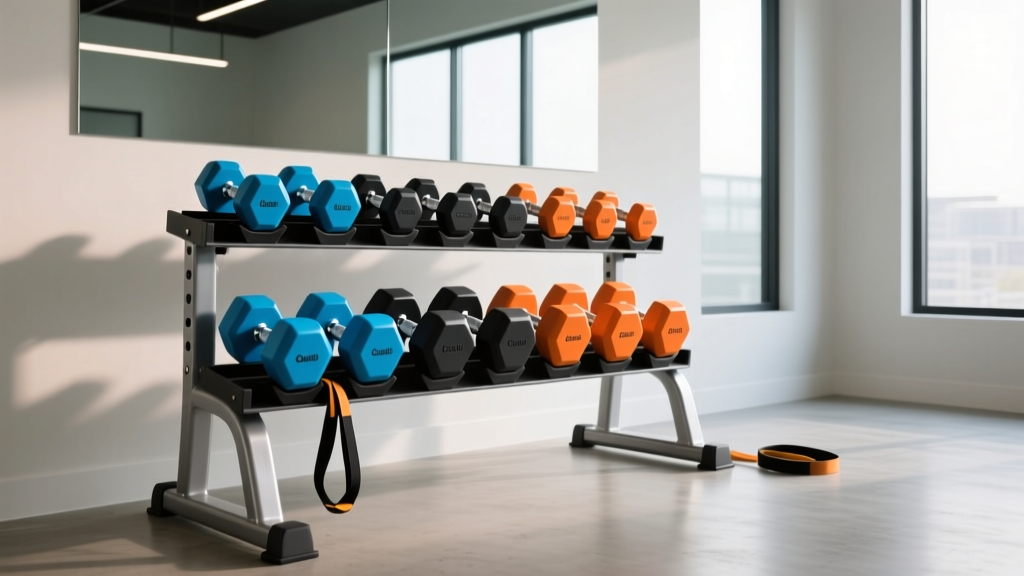
Optimizing Your Upper Chest Dumbbell Station: Storage & Layout

Breakdown: Equip Bands Essentials — Resistance Band Specifications, Real-World Testing, and Functional Integration
