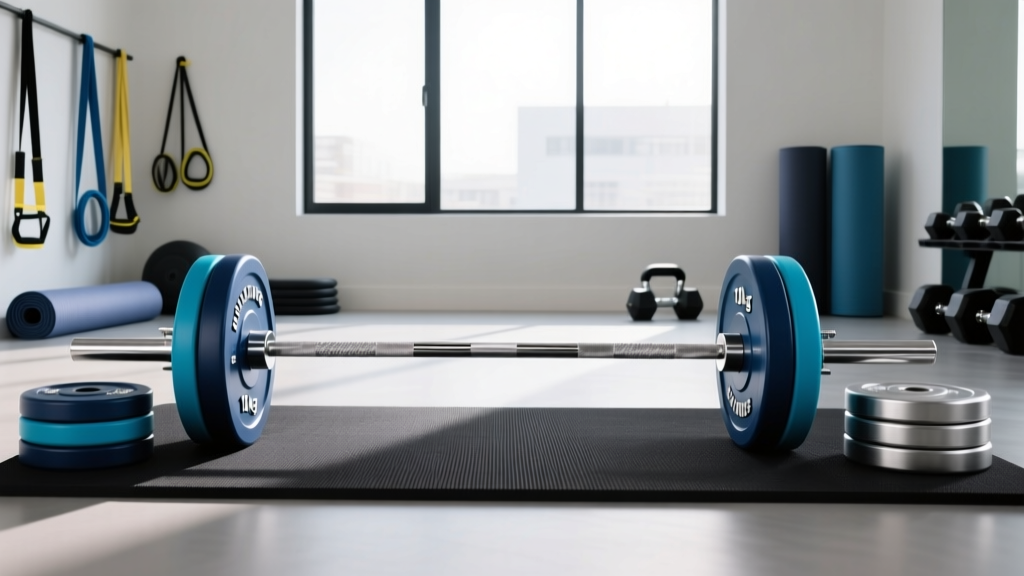
Olympic Barbell Guide for a Chest Workout Without Dumbbells
Master your chest workout without dumbbells. Our troubleshooting guide covers Olympic barbell weight, knurling, and common bench press mistakes.

When designing a comprehensive chest workout without dumbbells, your Olympic barbell becomes the sole instrument for mechanical tension. Without the independent stabilizing freedom that dumbbells provide, every micro-flaw in your barbell’s engineering is magnified. Lifters frequently blame their programming or central nervous system fatigue for stalled bench press numbers, torn calluses, or wrist pain, when the true root cause lies in the steel they are gripping.
As of 2026, the market is flooded with multi-purpose bars that compromise on pressing mechanics. This troubleshooting guide dissects the exact weight distributions, knurling patterns, and tensile strengths required to optimize a barbell-only chest day, helping you diagnose and fix the most common equipment-related pressing errors.
Troubleshooting Matrix: Diagnosing Your Barbell Pressing Flaws
Before investing in new equipment, map your physical symptoms to the mechanical flaws of your current barbell. According to biomechanical analyses of grip width and joint stress published by Stronger By Science, improper bar rotation and surface friction can exponentially increase torque on the radiocarpal joint.
| Symptom on Chest Day | The Barbell Culprit | The Equipment Fix |
|---|---|---|
| Bar wobbles or 'whips' at lockout | Tensile strength below 180,000 PSI (common in Olympic weightlifting or cheap multi-purpose bars). | Upgrade to a dedicated Power Bar with 190k–205k PSI for maximum rigidity. |
| Torn calluses during close-grip JM presses | Aggressive 'mountain' peak knurling designed for max-effort deadlifts. | Switch to a 'volcano' or 'hill' knurl pattern that provides friction without shearing skin. |
| Wrist extension pain & bar spin-out | Needle bearings in the sleeves (allows too-fast rotation for slow-press movements). | Choose a bar with high-quality sintered bronze bushings for controlled, slow rotation. |
| Inconsistent grip placement on incline | Missing or faded dual knurl marks (IWF vs IPF rings). | Purchase a bar with dual laser-etched or deeply rolled knurl marks for instant visual alignment. |
Decoding Knurling: Why Aggressive Isn't Always Better for Bench
A common mistake lifters make when committing to a chest workout without dumbbells is assuming that the sharpest, most aggressive knurling will yield the best results. While a sharp 'mountain' knurl (like that found on vintage Texas Power Bars) is excellent for keeping a 600 lb deadlift from slipping, it is highly detrimental to high-volume barbell chest isolations.
The Geometry of Grip
Industry experts, including the equipment analysts at BarBend, categorize knurling into three primary geometries:
- Mountain: Sharp, prominent peaks. High friction, but causes severe micro-tears in the epidermis during repetitive pressing or close-grip tricep extensions.
- Hill: Rounded, shallow peaks. Comfortable for high reps, but prone to slipping when chalk and sweat mix during heavy incline presses.
- Volcano: The gold standard for modern pressing. The peaks are rolled over to create a rim with a small crater in the center. This design grabs the ridges of your fingerprints securely without piercing the skin, making it ideal for heavy benching and accessory work.
The Center Knurl Dilemma
Do you need a center knurl for a chest-focused routine? Strictly speaking, no. The center knurl was designed to grip the back during low-bar squats. However, if your barbell doubles as your squat bar, a passive (mild) center knurl is highly recommended. It provides a tactile cue to help you perfectly center the bar over your sternum during blind-setup bench presses, without scraping your chest or neck raw.
Weight, Whip, and Tensile Strength: Finding the Sweet Spot
Every standard men's Olympic barbell weighs 20kg (44 lbs), but the behavior of that weight under load is dictated by tensile strength, measured in Pounds per Square Inch (PSI). When you remove dumbbells from your chest workout, you are often forced to use specialized barbell variations like the floor press, Spoto press, or Larsen press. These movements require absolute bar stiffness.
"A bar with high 'whip' (flex) stores kinetic energy. While great for the clean and jerk, this stored energy releases unpredictably at the top of a heavy bench press, causing the bar to bounce in your hands and destabilizing the shoulder joint."
For a dedicated chest and pressing bar, you must target a tensile strength between 190,000 PSI and 215,000 PSI. Anything lower (typically 165k PSI found in Olympic weightlifting bars) will result in dangerous oscillation during heavy pressing. Furthermore, ensure the shaft diameter is 29mm. The 28mm shafts of weightlifting bars are too whippy and lack the surface area required for a secure palm grip during heavy benching.
2026 Olympic Barbell Recommendations for Chest-Dominant Lifters
Based on current market pricing, steel quality, and knurling consistency, here are the top-tier troubleshooting solutions for lifters abandoning dumbbells for pure barbell chest development.
1. Rogue Fitness Ohio Power Bar (Stainless Steel)
Price: ~$380.00 | Tensile Strength: 205,000 PSI | Knurl: Aggressive Volcano
The Verdict: The undisputed workhorse. The stainless steel shaft requires zero maintenance and resists chalk buildup in the knurling. The 205k PSI rating ensures zero whip during heavy Spoto presses or paused bench work. The knurl is biting but refined enough not to tear hands during high-rep accessory work.
2. Rep Fitness Excalibur Bar
Price: ~$349.99 | Tensile Strength: 190,000 PSI | Knurl: Deep Volcano with Dual Marks
The Verdict: The Excalibur features a unique 28.5mm shaft and deeply machined volcano knurling. Its standout feature for chest days is the dual IPF and IWF knurl marks, allowing you to instantly switch from wide-grip benching to close-grip tricep presses without measuring. The bronze bushings provide a smooth, slow spin that won't twist your wrists.
3. American Barbell California Bar
Price: ~$285.00 | Tensile Strength: 190,000 PSI | Knurl: Moderate Hill/Volcano Hybrid
The Verdict: Ideal for lifters with sensitive skin or those who perform massive volume on their barbell-only chest days. The hard chrome finish offers decent corrosion resistance, and the passive center knurl provides just enough tactile feedback to align the bar on the sternum without causing friction burns.
Maintenance: Preserving Knurl Integrity in 2026
Even the most expensive Olympic barbell will fail your chest workout if the knurling becomes packed with dead skin, chalk, and oxidized steel. To maintain optimal grip without dumbbells:
- Brush Weekly: Use a stiff nylon brush (never brass or steel, which can strip zinc or cerakote coatings) to dislodge chalk from the volcano craters.
- Oil Monthly:Apply a light coat of 3-in-One oil or mineral oil to the shaft and sleeves to displace moisture and prevent micro-rust, which dulls the sharpness of the knurl peaks.
- Manage Chalk Usage: Liquid chalk contains resins that bake into knurling over time. Stick to high-quality magnesium carbonate block chalk, and wipe the bar down with a damp microfiber cloth immediately after your pressing session.
Ultimately, executing a flawless chest workout without dumbbells requires treating your barbell not as a generic piece of iron, but as a precision pressing instrument. By matching the correct tensile strength, bushing type, and knurl geometry to your specific pressing mechanics, you will eliminate joint pain, secure your grip, and break through your next plateau.
More gear to consider
All reviews
Dumbbell Rack Layouts: Space Optimization & The Dumbbell Beer Glass
Standard vs Olympic Plates: Planning a Delt Workout with Dumbbells

How to Get a Good Workout with Dumbbells: Neoprene Guide
EZ Curl Bar vs Straight Bar: Curls & Dumbbell Wood Chop Alternatives

Beyond Rogue Rubber Hex Dumbbells: Barbell Weight & Knurling Errors
