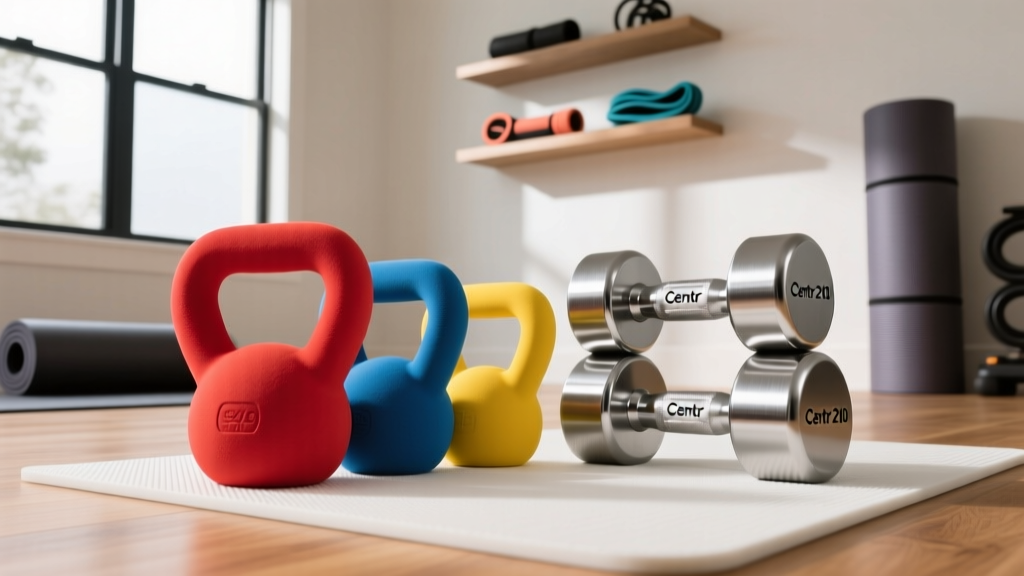
Neoprene Dumbbells vs Centr 210 Dumbbell Set: Beginner Guide
Learn how to choose between neoprene coated dumbbells and the Centr 210 dumbbell set for your home gym with this beginner-friendly step-by-step guide.

The 2026 Home Gym Dilemma: Premium Kits vs. Neoprene Classics
Building a home gym in 2026 requires balancing budget, space, and equipment longevity. Beginners often find themselves torn between investing in high-end, branded adjustable systems—like the highly marketed Centr 210 dumbbell set—and sticking to traditional, fixed-weight neoprene coated dumbbells for home use. While premium adjustable kits offer a sleek aesthetic and a compact footprint, classic neoprene hex dumbbells remain the undisputed workhorses of commercial and home gyms alike. According to the Centers for Disease Control and Prevention (CDC), adults should aim for at least two days of muscle-strengthening activities per week, making reliable, easy-to-use equipment essential for long-term adherence.
This beginner-friendly, step-by-step guide will walk you through the material science, cost analysis, and practical application of neoprene dumbbells, while comparing them directly to premium alternatives so you can make the smartest choice for your living room or garage gym.
Step 1: Compare Your Options (Neoprene vs. Centr 210 Dumbbell Set)
Before purchasing, it is critical to understand the fundamental differences between a fixed neoprene rack and an adjustable or bundled kit like the Centr 210 dumbbell set. Fixed weights eliminate the mechanical failure points inherent in adjustable dials, while adjustable sets save floor space.
| Feature | Neoprene Hex Dumbbells (5-50lb Set) | Premium Branded Sets (e.g., Centr 210) |
|---|---|---|
| Cost per Pound (2026) | $1.80 - $2.50 / lb | $3.50 - $5.00+ / lb |
| Durability | Extremely High (No moving parts) | Moderate (Dial/pin mechanisms can break) |
| Floor Protection | Excellent (Thick rubberized coating) | Varies (Often hard plastic or metal ends) |
| Footprint | Large (Requires a 3-tier A-frame rack) | Small (Single cradle or tray) |
| Workout Flow | Instant weight changes via drop-sets | Slower (Requires dialing or pinning) |
For beginners focusing on foundational hypertrophy and circuit training, the instant weight transitions and indestructible nature of neoprene hex dumbbells often outweigh the space-saving benefits of premium adjustable sets.
Step 2: Understand Neoprene Material Science and Failure Modes
Not all rubber-coated dumbbells are created equal. True neoprene (polychloroprene) is a synthetic rubber that offers superior resistance to temperature fluctuations, UV light, and ozone compared to cheap PVC or recycled rubber dips. When shopping for neoprene coated dumbbells for home use, you must look for virgin cast-iron cores encased in a 3mm to 4mm vulcanized neoprene sleeve.
⚠️ Warning: The 'Off-Gassing' Edge Case
When you unbox a new set of neoprene dumbbells, they will emit a distinct chemical odor known as off-gassing. This is a normal byproduct of the vulcanization process. Do not panic. To resolve this, place your new dumbbells in a well-ventilated garage, patio, or shed for 48 to 72 hours before bringing them into your living space. Wiping them down with a mild dish soap and water solution accelerates this process.
Common Failure Modes to Avoid
- Seam Tearing: Low-quality dumbbells use a thin 'dip' coating that splits at the handle seam after 12-18 months of sweat exposure. Always check for molded, seamless encapsulation.
- Core Shifting: If the cast iron core is not properly bonded to the rubber sleeve, the dumbbell will rattle and eventually become unbalanced. Shake the dumbbell near your ear before purchasing; it should be completely silent.
- Handle Corrosion: Ensure the handles are chrome-plated or powder-coated. Bare steel handles will rust rapidly from the salts in your sweat.
Step 3: Calculate Your Budget and Space Requirements
Building a comprehensive neoprene dumbbell set requires a strategic approach to weight increments. Beginners do not need every 2.5 lb increment. Instead, follow this step-by-step purchasing framework to optimize your budget.
The Beginner's 5-Pair Starter Matrix
- 5 lbs & 10 lbs: Ideal for lateral raises, tricep kickbacks, and rotator cuff warm-ups.
- 15 lbs & 20 lbs: Perfect for bicep curls, overhead presses, and high-rep goblet squats.
- 25 lbs & 30 lbs: Necessary for chest presses, bent-over rows, and Bulgarian split squats.
Cost Breakdown: A high-quality 5-pair set (5, 10, 15, 20, 25 lbs) totaling 150 lbs will cost between $270 and $375 in 2026, depending on the brand and shipping fees. Pair this with a compact 3-tier horizontal dumbbell rack (approximately $80-$120), and your total investment remains well under $500—a fraction of the cost of high-end adjustable systems.
Step 4: Execute Your First Beginner-Friendly Dumbbell Routine
Once your neoprene dumbbells are unboxed, aired out, and racked, it is time to put them to work. The Mayo Clinic emphasizes that strength training not only builds muscle but also enhances bone density and metabolic rate. Below is a simple, highly effective full-body routine designed specifically for fixed-weight dumbbells.
The 'Neoprene Foundation' Full-Body Circuit
Perform this circuit 2-3 times per week, resting 60-90 seconds between sets.
- Goblet Squats (20-30 lb dumbbell): 3 sets of 10-12 reps. Keep your chest up and elbows tucked.
- Flat Floor Dumbbell Press (15-25 lb dumbbells): 3 sets of 8-10 reps. Squeeze your pecs at the top of the movement.
- Single-Arm Bent-Over Rows (20-30 lb dumbbell): 3 sets of 10 reps per arm. Use a bench or sturdy chair for support.
- Seated Overhead Press (10-15 lb dumbbells): 3 sets of 10-12 reps. Brace your core to protect your lower back.
- Farmer's Carries (Heaviest available dumbbells): 3 sets of 45-second walks. Grip tightly to build forearm endurance.
Step 5: Maintenance and Long-Term Care
Neoprene is remarkably low-maintenance, but it is not invincible. To ensure your dumbbells last a lifetime, follow these three golden rules:
- Never Drop Them on Concrete: While the neoprene coating protects your hardwood floors and tiles, dropping a 40 lb cast-iron core onto raw concrete from chest height can crack the rubber shell and shatter the iron core.
- Wipe Down After Use: Human sweat is highly acidic and corrosive. A quick wipe with a microfiber cloth and a 50/50 water-and-white-vinegar solution will preserve the chrome handles and prevent the neoprene from degrading.
- Avoid Direct Sunlight: Prolonged UV exposure will cause the neoprene to fade, dry out, and eventually flake. Keep your rack out of direct window light or outdoor sun.
Frequently Asked Questions
Can I use neoprene dumbbells for CrossFit or high-intensity interval training (HIIT)?
Yes, but with caution. Neoprene hex dumbbells are excellent for HIIT movements like dumbbell thrusters or renegade rows. However, they are not designed for dynamic dropping or snatching. If your programming involves dropping weights from overhead, you must invest in urethane-coated or solid rubber bumper-style dumbbells instead.
Are neoprene dumbbells toxic?
Once the initial off-gassing period (48-72 hours) has passed, cured neoprene is completely inert, non-toxic, and safe for indoor use. It is the same material used in wetsuits and medical braces.
Why choose neoprene over the Centr 210 dumbbell set for a garage gym?
If your home gym is located in a garage or shed that experiences extreme temperature swings (freezing winters, sweltering summers), neoprene is vastly superior. Adjustable dial mechanisms in premium sets can freeze, warp, or jam in unclimate-controlled environments, whereas solid cast-iron and vulcanized neoprene will remain completely unaffected by the weather.
More gear to consider
All reviews
Best Adjustable Dumbbells for Incline Dumbbell Chest Press (2026)
Best Dumbbell Racks & Storage for Functional Training with Dumbbells (2026)

EZ Curl Bar vs Straight Bar Maintenance: Longevity Tips Beyond the Max Dumbbell Bench Press Calculator

Supinated Dumbbell Bicep Curl: Rubber Hex vs Urethane 2026 Trends

Concrete Dumbbell to Olympic Barbell: Weight & Knurling Guide
