
Neoprene Dumbbells Sizes: A Complete Home Gym Guide
Discover the ultimate guide to neoprene dumbbells sizes for home gyms. Compare dimensions, top brands, pricing, and expert buying frameworks for 2026.

The Neoprene Advantage and the Sizing Dilemma
When outfitting a home gym, neoprene-coated dumbbells are often the first choice for lifters seeking a balance of durability, floor protection, and noise reduction. Neoprene (polychloroprene) is a synthetic rubber that provides a slightly tacky grip, resists moisture, and prevents the clanking associated with bare cast iron. However, many buyers focus exclusively on the weight stamped on the end of the dumbbell, completely ignoring the physical footprint of the equipment. Understanding the nuances of dumbbells sizes—both in terms of weight increments and physical dimensions—is critical for optimizing your range of motion, ensuring joint safety, and maximizing your workout efficiency.
As we navigate the fitness equipment market in 2026, supply chains have fully stabilized, and pricing for neoprene sets has normalized to between $1.45 and $2.10 per pound. But not all neoprene is created equal, and the physical scaling of these dumbbells introduces unique biomechanical challenges that every home gym owner must anticipate.
Material Callout: Neoprene vs. Urethane
Neoprene: Softer, matte finish, highly affordable, excellent for light-to-medium home use. Prone to UV degradation over many years.
Urethane: Harder, virtually odorless, highly resistant to scratching and UV light. Significantly more expensive ($3.00+/lb) and typically reserved for commercial gyms or heavy-duty home setups.
Decoding Dumbbells Sizes: Weight vs. Physical Dimensions
The most common mistake lifters make when buying fixed dumbbells is assuming a 50-pound neoprene dumbbell will handle the same way as a 50-pound adjustable dumbbell. Because neoprene is a thick, shock-absorbing coating applied over a cast iron core, the physical volume of the dumbbell scales aggressively as the weight increases. This "bulge factor" directly impacts your biomechanics.
When evaluating dumbbells sizes for exercises like renegade rows, tight-grip floor presses, or dumbbell pullovers, excessive head width can force your wrists into unnatural supination or limit your range of motion at the bottom of a movement. Below is a standardized dimension chart based on average hex-neoprene models available in 2026.
| Weight | Approx. Length | Head Diameter / Width | Biomechanical Impact |
|---|---|---|---|
| 5 lbs | 6.2 inches | 2.5 inches | Ideal for isolation (lateral raises, tricep kickbacks). |
| 15 lbs | 8.5 inches | 3.2 inches | Standard for bicep curls and overhead presses. |
| 30 lbs | 11.0 inches | 4.1 inches | May restrict depth on close-grip chest presses. |
| 50 lbs | 14.5 inches | 4.8 inches | Cumbersome for pullovers; excellent for heavy goblet squats. |
The 2026 Neoprene Dumbbell Comparison Matrix
To help you navigate the market, we have tested and compared the top three neoprene dumbbell manufacturers dominating the home fitness space this year. Pricing reflects the average cost per pound when purchasing pairs or full rack sets.
| Brand & Model | Avg. Price / lb | Knurling Depth | Coating Durability | Best For |
|---|---|---|---|---|
| Yes4All Neoprene Hex | $1.55 | Moderate | Good (May peel at handle junction after 3+ years) | Budget-conscious buyers, light cardio circuits. |
| CAP Barbell Neoprene Pro | $1.85 | Deep Diamond | Excellent (High-density synthetic rubber blend) | Heavy lifters requiring secure grip under sweat. |
| Amazon Basics Neoprene | $1.65 | Shallow | Fair (Prone to surface scuffing) | Beginners, physical therapy, and Pilates. |
Failure Modes: What Goes Wrong with Neoprene?
While neoprene is highly resilient, it is not invincible. As equipment reviewers, we track long-term failure modes that manufacturers rarely advertise. When investing in specific dumbbells sizes for heavy, repetitive use, be aware of the following edge cases:
- UV and Ozone Degradation: If your home gym is in a sunroom or garage with direct sunlight exposure, prolonged UV radiation will break down the polychloroprene chains. This manifests as a chalky white residue on the surface and eventual micro-cracking. Keep neoprene out of direct sunlight.
- The "Squish" Factor and Grip Fatigue: Neoprene has a slight compressibility. On heavier dumbbells sizes (40+ lbs), the coating compresses under high grip force, which can cause the handle to feel slightly thicker and lead to premature forearm fatigue compared to bare steel.
- Off-Gassing (VOCs): Budget neoprene sets manufactured with lower-grade adhesives can emit volatile organic compounds (VOCs) for the first 2 to 4 weeks. If you are buying a full rack, unbox them in a well-ventilated garage before bringing them into your living space.
- Glue Junction Failure: The weakest point of any coated dumbbell is where the rubber meets the metal handle. Repeated dropping (even from waist height) can cause the adhesive to shear, leading to the coating slipping or rotating around the iron core.
Building Your Home Gym: The Weight Increment Framework
According to the CDC physical activity recommendations, adults should engage in muscle-strengthening activities of moderate or greater intensity that involve all major muscle groups on 2 or more days a week. To achieve this without buying a 50-pair rack immediately, we recommend a phased purchasing strategy based on progressive overload principles outlined in ExRx strength standards.
Phase 1: The Foundation (5 to 15 lbs)
Target: Isolation movements, rotator cuff prehab, and high-rep metabolic conditioning.
Sizes to Buy: 5 lb, 8 lb, 10 lb, 12 lb, 15 lb pairs.
Why: Lateral raises, rear delt flyes, and tricep extensions require micro-jumps in weight. A 5-pound jump from 10 lbs to 15 lbs is a 50% increase in load, which is massive for small muscle groups. Having 2 lb or 3 lb increments in this lower range is vital for joint health and steady progression.
Phase 2: The Hypertrophy Range (20 to 35 lbs)
Target: Bicep curls, overhead presses, dumbbell rows, and lunges.
Sizes to Buy: 20 lb, 25 lb, 30 lb, 35 lb pairs.
Why: This is the sweet spot for upper-body hypertrophy for the average intermediate lifter. The physical dimensions of dumbbells sizes in this range are still compact enough to allow for a full range of motion on chest presses and rows without the heads clacking together at the top of the movement.
Phase 3: Heavy Compound Movements (40+ lbs)
Target: Goblet squats, Romanian deadlifts (RDLs), heavy chest presses.
Sizes to Buy: 40 lb, 50 lb, 60 lb pairs (if budget permits).
Why: Lower body movements require significantly more load. However, once you pass 50 lbs per hand with neoprene, the sheer physical bulk of the dumbbell becomes a limiting factor. At this stage, many home gym owners transition to adjustable dumbbells (like the Bowflex SelectTech 1090 or Nuobell 80) to save space and reduce the awkwardness of oversized fixed rubber heads.
Expert Tip on Progressive Overload: Do not rely solely on increasing the weight. If you are stuck between dumbbells sizes (e.g., you can curl 25 lbs for 10 reps, but 30 lbs is too heavy), use tempo manipulation. Slow the eccentric (lowering) phase to 3-4 seconds with the 25 lb dumbbell to increase time-under-tension and stimulate muscle growth without needing the next size up.
Maintenance and Care for Neoprene Coatings
To maximize the lifespan of your investment, proper maintenance is required. Never use bleach, ammonia, or harsh degreasers on neoprene. These chemicals strip the synthetic oils from the rubber, accelerating the drying and cracking process. Instead, wipe down your dumbbells after every session with a microfiber cloth dampened with a simple solution of warm water and a few drops of mild dish soap. For deeper sanitization, use a 70% isopropyl alcohol solution sparingly, as excessive alcohol exposure can also dry out the matte finish over time.
Frequently Asked Questions
Are hex-shaped neoprene dumbbells better than round ones?
For home use, hex-shaped heads are generally superior. They prevent the dumbbell from rolling away when placed on the floor or a bench, which is a critical safety feature during exercises like renegade rows or floor presses. Round neoprene dumbbells are typically only preferred for commercial racks where they are easily slotted into specific tray cradles.
Will the neoprene coating make my hands smell like rubber?
High-quality neoprene (like that used by CAP Barbell) is virtually odorless once the initial factory off-gassing period (usually 1-2 weeks) has passed. If your dumbbells continue to emit a strong chemical odor after a month, it is likely a cheaper PVC or TPR blend masquerading as neoprene, which is common in ultra-budget sets.
Can I drop neoprene dumbbells on my floor?
While neoprene provides excellent protection for hardwood and laminate floors compared to bare iron, you should never intentionally drop them from overhead or shoulder height. The impact force can crack the cast iron core inside the rubber shell or cause the handle to snap at the weld point. Always control the descent of the weight.
Final Verdict
Choosing the right dumbbells sizes for your home gym requires looking past the weight stamp and considering the physical geometry of the equipment, the quality of the underlying knurling, and the specific biomechanics of your training program. Neoprene remains the undisputed king of budget-friendly, floor-safe home gym equipment in 2026. By utilizing the phased purchasing framework outlined above, you can build a highly effective, space-efficient dumbbell rack that supports your fitness journey from beginner isolation work all the way to advanced heavy compound lifting. For those prioritizing grip security under heavy loads, the CAP Barbell Neoprene Pro line remains our top recommendation for the year.
More gear to consider
All reviews
Dumbbell Rack Care for Seated Overhead Dumbbell Extensions
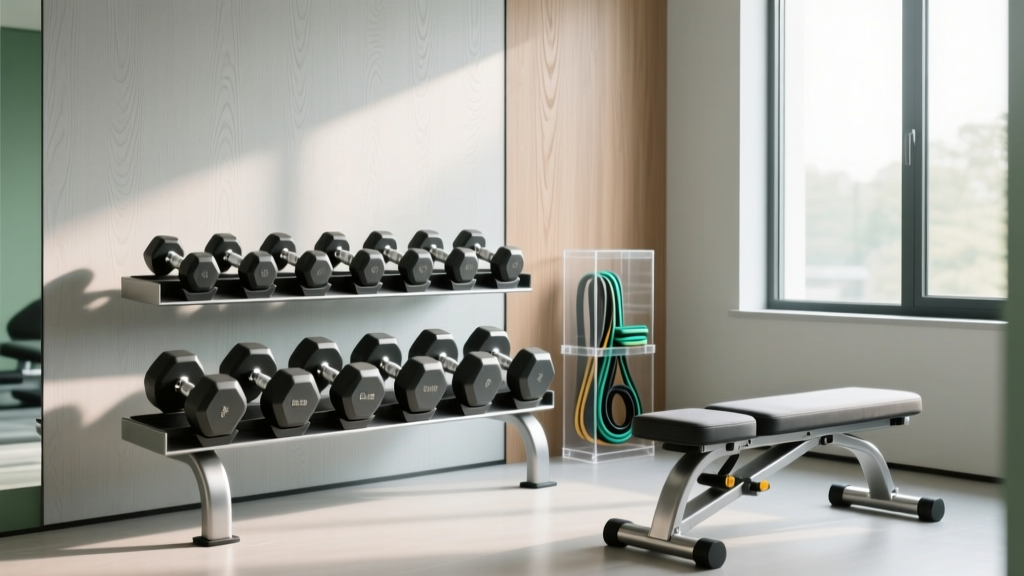
Optimize Space for Your Dumbbell Home Routine: Storage & Rack Guide
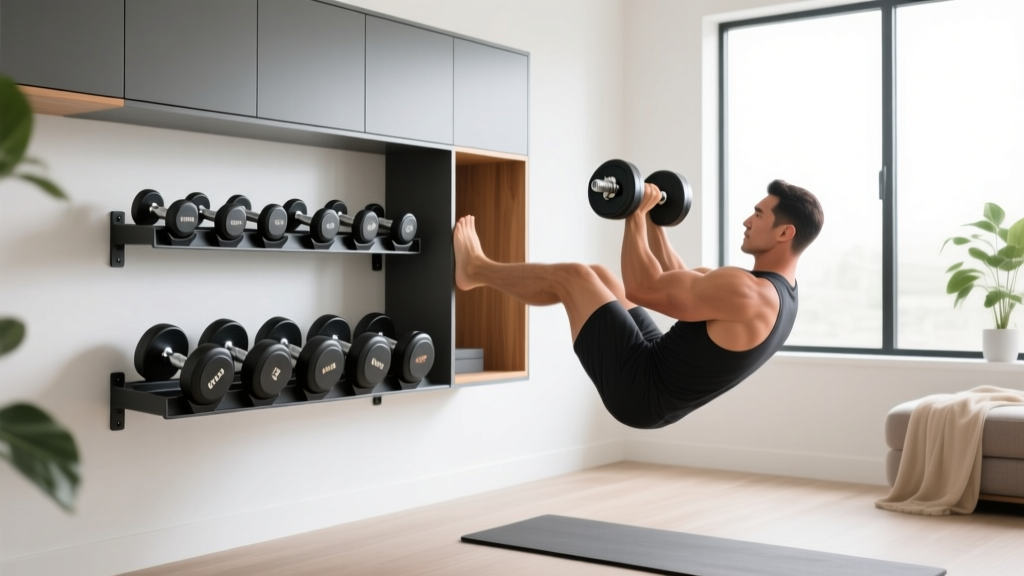
Compact Dumbbell Racks + Free Dumbbell Exercises for Abs PDF

How Heavy Are the Dumbbells You Lift? Anime-Inspired Dumbbell Guide 2026

B Stance Dumbbell RDL & Kettlebell Guide: Cast Iron vs Competition
