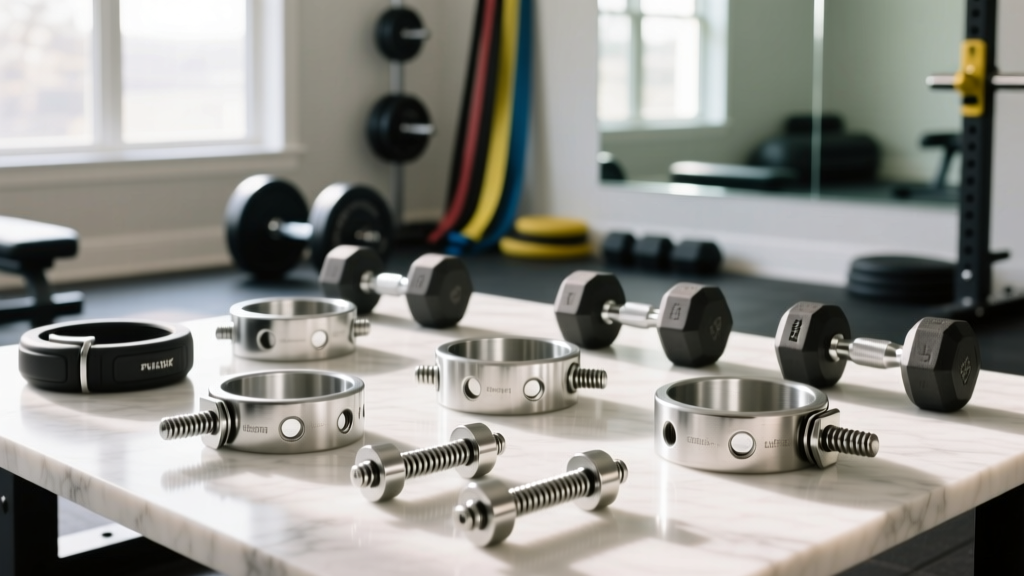
Best Neoprene Dumbbells for the Bent Over Dumbbell Rear Delt Fly
Master the bent over dumbbell rear delt fly with our 2026 guide to neoprene coated dumbbells for home use, featuring micro-loading tips and top comparisons.

The posterior deltoid is notoriously one of the most stubborn muscle groups to develop, largely because it is easily overpowered by the larger latissimus dorsi and trapezius muscles during compound pulling movements. To isolate it effectively, the bent over dumbbell rear delt fly remains the gold standard. However, executing this isolation movement at home requires precise equipment. In 2026, the neoprene coated dumbbell for home use has emerged as the premier choice for strict isolation work, offering unique biomechanical and ergonomic advantages over traditional bare cast iron or rubber hex dumbbells.
The Biomechanics of the Bent Over Dumbbell Rear Delt Fly
The bent over dumbbell rear delt fly relies on transverse horizontal abduction of the shoulder joint. According to ExRx.net's biomechanical breakdown, the movement requires the humerus to move away from the midline of the body while in a flexed, bent-over position. Because the lever arm is long and the target muscle is small, the absolute load used is typically light—ranging from 5 to 25 pounds for the vast majority of natural lifters.
⚠️ The Grip Fatigue Factor: During isolation flys, your hands and forearms will often fatigue before your rear delts reach true mechanical failure. If your dumbbell handle is slippery or overly thick, you will unconsciously squeeze harder, irradiating tension down the arm and pulling the traps into the movement. Neoprene's tactile, micro-porous surface mitigates this grip bottleneck.Why Neoprene Coated Dumbbells Excel for Home Rear Delt Training
Neoprene (polychloroprene) is a synthetic rubber that offers a distinct middle ground between the harshness of bare iron and the high-bounce, sometimes sticky nature of polyurethane. For home gyms, neoprene coated dumbbells provide three critical benefits for the bent over dumbbell rear delt fly:
- Sweat-Wicking Grip: Unlike smooth PVC or bare metal, high-quality neoprene (typically coated at 2.5mm to 3.0mm thickness) absorbs micro-moisture from sweaty palms, maintaining a secure hold without requiring chalk.
- Floor and Equipment Protection: When training to failure on rear delt flys, dropping the weights is common. Neoprene dampens the acoustic impact and protects hardwood or laminate flooring from micro-fractures.
- Ergonomic Tactile Feedback: The slight cushioning of neoprene allows for a relaxed grip, which is essential for preventing trap recruitment during the concentric phase of the fly.
Cast Iron Core vs. Cement-Filled: The Center of Gravity Problem
When buying a neoprene coated dumbbell for home use, the internal core is just as important as the exterior coating. Budget brands often use a cement-and-sand mixture encased in plastic, which is then dipped in a thin neoprene-like layer. Avoid these for isolation work. Cement cores have a lower density than cast iron, meaning a 15 lb cement dumbbell is physically much larger and bulkier than a 15 lb cast iron dumbbell. This alters the moment arm and forces your hands wider apart, placing undue stress on the wrist joints during the bottom stretch of the rear delt fly. Always verify that the core is solid cast iron.
2026 Neoprene Dumbbell Comparison Matrix
Below is a comparison of the top fixed-weight neoprene hex dumbbells currently dominating the home fitness market, evaluated specifically for their suitability for isolation movements like the bent over dumbbell rear delt fly.
| Brand & Model | Core Material | Handle Profile | Price per lb (Avg) | Best For |
|---|---|---|---|---|
| CAP Barbell Neoprene Hex | Solid Cast Iron | Medium Knurl / 1.1" | $1.65 | Strict isolation & heavy use |
| Yes4All Neoprene Coated | Solid Cast Iron | Smooth / 1.0" | $1.45 | Small hands & high reps |
| Tone Fitness Neoprene | Cement/Sand Mix | Smooth / 1.2" | $1.10 | Light cardio / rehab only |
Micro-Loading: The Secret to Rear Delt Hypertrophy
The rear delts respond best to higher rep ranges (12-20) and strict time-under-tension. Because the muscle is small, jumping from a 10 lb to a 15 lb dumbbell (a 50% increase in load) is a recipe for tendonitis and form breakdown. When outfitting your home gym, prioritize brands that offer 2.5 lb increments in the lower weight tiers.
Recommended Weight Progressions
- Novice (0-6 Months): 5 lbs, 7.5 lbs, 10 lbs. Focus entirely on the mind-muscle connection and scapular retraction.
- Intermediate (6-18 Months): 12.5 lbs, 15 lbs, 17.5 lbs. Introduce drop-sets using neoprene pairs.
- Advanced (18+ Months): 20 lbs, 22.5 lbs, 25 lbs. Utilize strict eccentrics (3-second negative phase).
Common Failure Modes in Budget Neoprene Weights
Not all neoprene is created equal. When auditing your home gym equipment, watch out for these specific failure modes common in cheap imports:
- Chemical Off-Gassing: Budget manufacturers often use cheap PVC plastisols and market them as neoprene. These emit high levels of Volatile Organic Compounds (VOCs). The Environmental Protection Agency (EPA) notes that poor indoor ventilation combined with off-gassing synthetic materials can lead to respiratory irritation. Always buy from reputable brands that certify their coatings are phthalate-free and non-toxic.
- Edge Peeling: On hex dumbbells, the sharp 90-degree corners are the first place the neoprene coating will split if the dumbbell is frequently dropped on its edges. Look for models with slightly beveled or rounded hex edges under the coating.
- Sub-Coating Rust: If moisture gets trapped between the cast iron core and the neoprene layer during manufacturing, the dumbbell will rust from the inside out, eventually causing the neoprene to bubble and tear.
Step-by-Step: Executing the Perfect Fly
To maximize the benefits of your neoprene coated dumbbells, follow this execution protocol endorsed by strength coaches and detailed in the American Council on Exercise (ACE) exercise guidelines:
- The Hinge: Stand with feet shoulder-width apart. Hinge at the hips until your torso is nearly parallel to the floor (a 30 to 45-degree angle is acceptable if hamstring flexibility is limited). Keep a neutral spine.
- The Setup: Let the neoprene dumbbells hang straight down, palms facing each other. The tactile grip should allow you to hold the weights securely without white-knuckling.
- The Concentric: Initiate the movement by pushing the dumbbells out and up, leading with your elbows. Imagine trying to touch the walls on either side of you. Exhale sharply at the top.
- The Peak Contraction: Pause for one full second when the dumbbells are in line with your torso. Squeeze the rear delts.
- The Eccentric: Lower the weights slowly over 2-3 seconds, fighting gravity. Do not let the weights clink together at the bottom.
FAQ: Neoprene Dumbbells for Home Gyms
Can I use adjustable dumbbells instead of fixed neoprene ones for rear delt flys?
While adjustable dumbbells (like Bowflex or PowerBlock) save space, their bulky physical footprint often interferes with the natural arc of the bent over dumbbell rear delt fly, especially at the bottom of the movement. Fixed neoprene hex dumbbells offer a much cleaner range of motion for strict isolation.
How do I clean and maintain neoprene coatings?
Neoprene is highly resistant to sweat and oils, but it should be wiped down weekly with a damp cloth and a mild, non-abrasive soap. Avoid harsh chemical degreasers or bleach, as these will dry out the synthetic rubber, leading to cracking and peeling over time.
Are neoprene dumbbells safe for pets and children?
High-quality, phthalate-free neoprene is generally safe and non-toxic to touch. However, like all fitness equipment, they pose a severe crushing hazard and should be stored on a dedicated rack out of reach of children and pets.
More gear to consider
All reviews
Squat Rack vs Power Rack: Space for Lateral Lunge with Dumbbells

Bumper vs Iron Plates & Single Dumbbell Chest Exercises: 2026 Data
Maintaining Loadable Home Workout Dumbbells (No Bench Setup)

Cast Iron vs Competition Kettlebells vs Seated Dumbbell French Press
Olympic Barbell Knurling & Chest Day Dumbbells Setup