Neoprene Dumbbells and Your Dumbbell Training App: Beginner Guide
Learn how to pair neoprene dumbbells with a top dumbbell training app. This step-by-step beginner guide covers weight selection, routines, and care.

The Perfect Beginner Setup: Neoprene Weights Meet Digital Coaching
Starting a home fitness journey can feel overwhelming, but combining the tactile, secure grip of neoprene-coated dumbbells with the algorithmic precision of a modern dumbbell training app creates an ideal beginner ecosystem. Neoprene weights are quiet, floor-friendly, and easy to grip, while digital coaching removes the guesswork from programming. According to the Centers for Disease Control and Prevention (CDC), adults should engage in muscle-strengthening activities at least two days a week, a benchmark easily achieved with this hybrid approach.
Quick Start Summary: To succeed, you need a hex-shaped neoprene set (capping around 50 lbs per hand), a reliable app configured to your exact inventory, and a maintenance routine to prevent sweat degradation. Follow the four steps below to build your system.Step 1: Sourcing the Right Neoprene Dumbbell Set
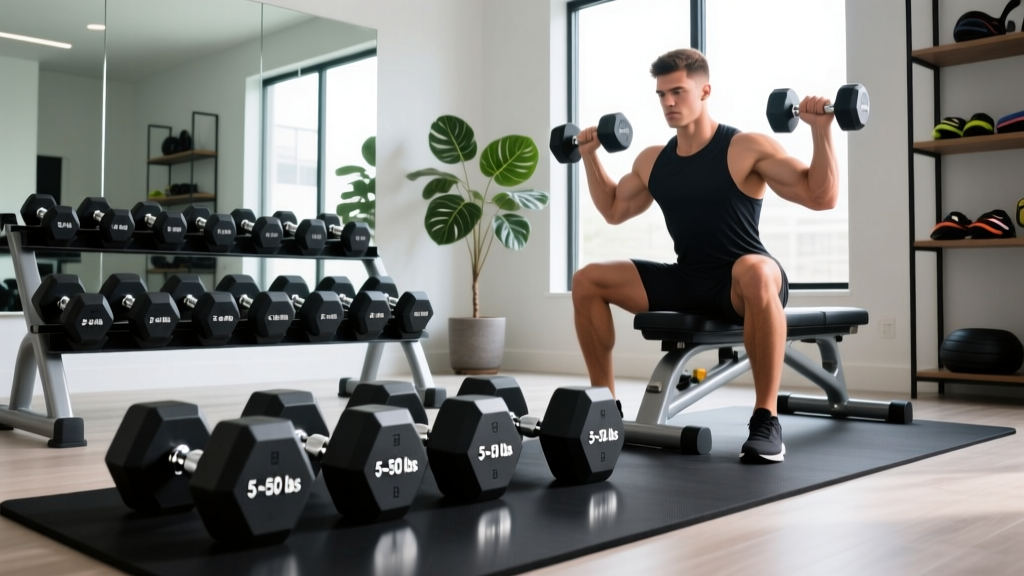
Not all neoprene is created equal. True neoprene (chloroprene rubber) is dipped over a cast-iron core, providing a 2.5mm to 3mm protective layer that absorbs shock and reduces noise. For beginners, hex-shaped dumbbells are mandatory; round neoprene dumbbells will roll away during floor exercises like renegade rows or push-ups, creating a safety hazard.
Top Beginner Neoprene Sets (2026 Market Pricing)
- Yes4All Neoprene Coated Hex Set: Typically priced between $45 and $65 for a 5-15 lb pair bundle. Features a 35mm handle diameter, which is optimal for smaller hands.
- CAP Barbell Neoprene Dumbbells: Sold individually or in pairs ($25–$40 per pair). Known for a slightly more textured grip, though the neoprene can feel stiff out of the box.
- Amazon Basics Neoprene Set: A budget-friendly alternative ($30–$50 for multi-pair sets), though the handle contouring is less ergonomic than premium brands.
Understanding the Limitations
Neoprene is perfect for light-to-moderate resistance but suffers from a weight ceiling. Most manufacturers stop producing neoprene-coated hex dumbbells at 50 lbs per hand because the coating adds significant bulk, making heavier weights unwieldy. This physical limitation directly impacts how you configure your digital coaching, which brings us to Step 2.
Step 2: Configuring Your Dumbbell Training App
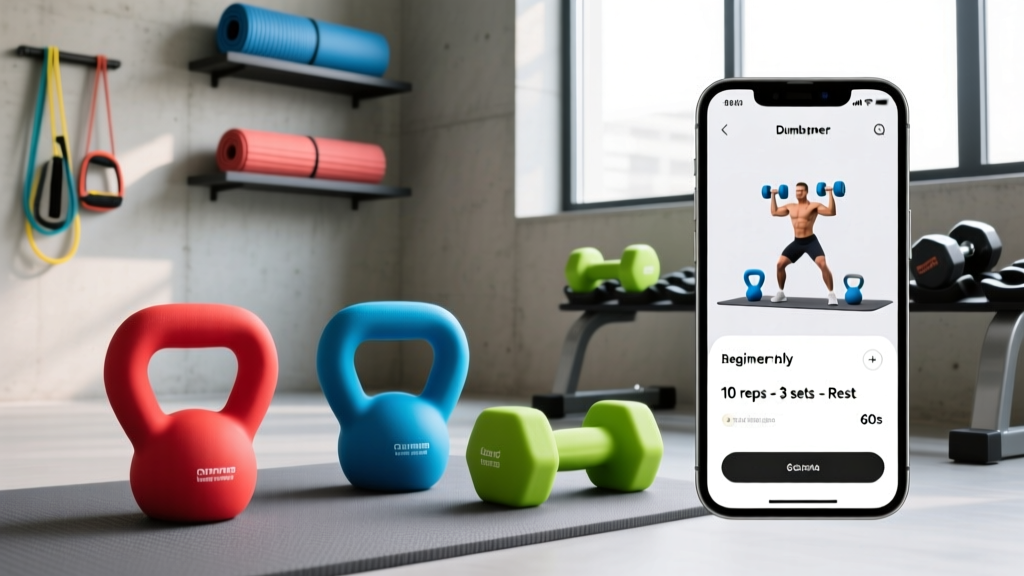
The biggest mistake beginners make with a dumbbell training app is failing to input their exact equipment constraints. If an app like Fitbod or Boostcamp doesn't know your maximum neoprene weight is 40 lbs, it might prescribe a 55-lb goblet squat, halting your workout.
How to Sync Your Gear With Digital Algorithms
- Inventory Input: Open your app's equipment settings. Manually add every single neoprene dumbbell pair you own (e.g., 10 lbs, 15 lbs, 20 lbs, 25 lbs).
- Set the Ceiling: If you only own one pair of 20-lb neoprene dumbbells, set your app's "Available Equipment" strictly to that weight. The algorithm will automatically adjust volume and tempo to ensure progressive overload without requiring heavier weights.
- Environment Selection: Set your workout environment to "Home" or "Limited Equipment" to prevent the app from suggesting barbell or cable-machine alternatives.
| App Name | Best For Neoprene Beginners | Pricing (Approx.) | Equipment Constraint Feature |
|---|---|---|---|
| Fitbod | AI-generated routines adapting to exact dumbbell weights | $12.99/mo | Excellent (Input exact pairs) |
| Strong | Manual logging and tracking personal records | $4.99/mo | Moderate (Manual template building) |
| Hevy | Social tracking and community routines | Free / $8.99/mo | Good (Custom exercise swapping) |
Step 3: Your First 4-Week Neoprene Routine
The Cleveland Clinic emphasizes that beginners should focus on compound movements and proper form over sheer load. Neoprene dumbbells are ideal here because their compact heads allow for a natural range of motion during pressing and squatting.
The Foundational Full-Body Circuit
Run this circuit 2–3 times per week, logging your sets and reps directly into your dumbbell training app.
- Goblet Squats: 3 sets of 10-12 reps. Hold one heavy neoprene dumbbell vertically against your chest. The hex shape rests comfortably against your palms without digging in.
- Dumbbell Floor Press: 3 sets of 8-10 reps. Lie on the floor to protect your shoulders. The neoprene coating ensures that when your elbows touch the ground, there is no loud clanking or floor damage.
- Bent-Over Rows: 3 sets of 10 reps per arm. Use a lighter neoprene dumbbell for support on a bench or chair, rowing the heavier one.
- Romanian Deadlifts (RDLs): 3 sets of 12 reps. Hold a pair of dumbbells and hinge at the hips. The secure grip of the chloroprene coating prevents the weights from slipping when your hands get sweaty.
Expert Tip on Progressive Overload: Once you max out the weight of your neoprene set (e.g., you can easily do 15 reps with your heaviest 40-lb pair), do not just buy heavier weights immediately. Use your app to log tempo changes. Slow the eccentric (lowering) phase to 4 seconds, or add a 2-second pause at the bottom of the squat. This increases time-under-tension and stimulates muscle growth without needing heavier iron.
Step 4: Maintenance and Edge Cases
Neoprene is durable, but it is not invincible. Understanding its failure modes will extend the life of your home gym equipment by years.
Combating Sweat Acidity and UV Degradation
Human sweat has a pH ranging from 4 to 6, making it mildly acidic. Over time, allowing sweat to dry on neoprene handles will cause the chloroprene to break down, resulting in a sticky, peeling texture. Furthermore, exposure to direct sunlight (UV rays) causes neoprene to "chalk" and turn gray.
Warning: Avoid Chemical CleanersNever use bleach, Lysol, or harsh degreasers on neoprene dumbbells. These chemicals strip the protective oils from the rubber, accelerating dry rot. Instead, wipe your dumbbells down after every session with a damp microfiber cloth and a drop of mild dish soap, then dry them immediately.
Storage Solutions
Because neoprene dumbbells are often sold in multi-pair sets, invest in a tiered A-frame rack or a horizontal dumbbell shelf. Stacking neoprene dumbbells on top of each other in a pile can cause the coating to compress and permanently deform over time, especially in warm environments.
Frequently Asked Questions
Can I use a dumbbell training app if I only have one pair of neoprene dumbbells?
Yes. Apps like Fitbod and Hevy allow you to input a single weight. The algorithm will compensate by prescribing unilateral (single-arm/single-leg) exercises, supersets, and isometric holds to ensure the single weight provides enough stimulus for both large muscle groups (like legs) and smaller ones (like biceps).
Why do my new neoprene dumbbells smell like chemicals?
This is a common off-gassing issue with chloroprene rubber and the adhesives used to bind it to the cast-iron core. Leave the dumbbells in a well-ventilated garage or shaded outdoor area for 48 to 72 hours before bringing them into your living space. The odor will dissipate completely.
Are neoprene dumbbells safe for vinyl and hardwood floors?
Neoprene is significantly softer than bare cast iron or urethane, making it much safer for hardwood and laminate floors. However, dropping any weight from shoulder height will cause damage. Always lower the weights with control, and consider placing a 3/4-inch thick rubber horse-stall mat underneath your workout area for maximum floor protection and noise dampening.
More gear to consider
All reviews
Tricep Dumbbell Exercise Gear: Rubber Hex vs Urethane Care

Value Analysis: Loadable Dumbbells & Dumbbell Leg Extension Attachment

Olympic Barbell Setup: Knurling, Weight & Rear Delt Dumbbell Fly GIF
Beyond 6 lbs Dumbbells: Barbell Collar & Clamp Comparison

2026 Rack Trends: Enhancing Your Workout for Deltoids with Dumbbells