
Neoprene Dumbbell Mistakes Ruining Your Dumbbell Workout for Men
Fix common neoprene dumbbell mistakes ruining your home dumbbell workout for men. Troubleshoot grip, durability, and form issues with our expert guide.

As home gym setups continue to evolve in 2026, free weight technology has seen massive upgrades in urethane and specialized rubber compounds. Yet, walk into the average garage gym, and you will still find racks of brightly colored, soft-touch neoprene coated dumbbells. They are inexpensive, aesthetically pleasing, and marketed heavily as "floor-friendly" options for beginners. However, when you attempt to execute a serious, heavy dumbbell workout for men focused on hypertrophy, strength, and progressive overload, neoprene often becomes the weakest link in your training chain.
Neoprene is fundamentally a synthetic rubber (polychloroprene) poured or wrapped around a cast-iron core. While excellent for light aerobic work or physical therapy, it introduces unique mechanical and chemical failure modes when subjected to the high forces, heavy sweat, and environmental stressors of a rigorous men's lifting routine. Below, we break down the most common mistakes lifters make with neoprene dumbbells and provide an expert troubleshooting guide to salvage your equipment and your gains.
The Material Reality: Understanding Polychloroprene Limits
Before troubleshooting, you must understand the material. Neoprene is a closed-cell foam or solid synthetic rubber prized for its water resistance and soft durometer rating (typically around 60-70 Shore A). Unlike bare cast iron or high-density urethane, neoprene is slightly porous at a microscopic level and highly sensitive to environmental plasticizer leaching. When men attempt to use 40 lb to 80 lb neoprene dumbbells for heavy compound movements, the material's physical limitations directly interfere with biomechanics and grip security.
Mistake #1: Ignoring the "Sweat-Friction Cliff"
The most frequent complaint during a high-volume dumbbell workout for men is the sudden loss of grip security mid-set. Neoprene feels incredibly grippy when dry. However, once it comes into contact with the sodium and oils in human sweat, the surface tension changes dramatically. The porous nature of the coating absorbs moisture, creating a microscopic hydroplane effect that turns a secure grip into a slip hazard.
Troubleshooting the Grip Failure
- The Cleaning Protocol: Most lifters wipe their dumbbells with a dry towel or harsh gym wipes. Alcohol-based wipes strip the neoprene of its factory plasticizers, causing it to dry out, crack, and become permanently slick. Instead, clean your neoprene dumbbells weekly using a solution of 1 tablespoon of mild dish soap (like Dawn) per gallon of warm water. Scrub with a microfiber cloth and dry immediately.
- The Chalk Alternative: Standard magnesium carbonate chalk does not adhere well to soft neoprene; it merely cakes into the pores and creates a slippery paste. If your hands sweat heavily, switch to liquid chalk with a rosin base, which provides tackiness without clogging the neoprene's cellular structure.
Mistake #2: Handle Thickness and Wrist Biomechanics
To prevent the soft neoprene coating from tearing under heavy loads, manufacturers must apply it thicker than they would with high-density urethane. A standard bare-steel dumbbell handle measures roughly 28mm to 30mm in diameter. A neoprene-coated equivalent often pushes 34mm to 38mm in diameter. For men with average hand sizes (around 7.5 inches), this increased girth forces the wrist into excessive extension during heavy chest presses and shoulder movements.
This biomechanical shift places undue stress on the TFCC (triangular fibrocartilage complex) in the wrist and forces the extensor digitorum muscles in the forearm to overwork, sapping energy away from the target muscle groups like the pectorals or deltoids.
Expert Insight: According to the National Strength and Conditioning Association (NSCA), implement diameter directly correlates with grip fatigue and force transfer. If your forearm pumps are outlasting your chest pumps during a heavy dumbbell bench press, your equipment's handle girth is likely the culprit, not your programming.
Troubleshooting Wrist Strain
If you are locked into your current neoprene set, mitigate wrist strain by utilizing lifting straps for heavy pulling movements (like dumbbell Romanian deadlifts and rows) to bypass the grip limitation. For pressing movements, consciously focus on "bulldog grip" mechanics—allowing the dumbbell to rest lower in the palm, directly over the forearm bones, rather than high up near the calluses.
Diagnostic Matrix: Neoprene vs. Urethane vs. Bare Iron
Understanding how your neoprene gear stacks up against alternatives can help you decide whether to troubleshoot your current set or upgrade your home gym. The data below reflects standard commercial and premium home-gym specifications.
| Feature | Neoprene Coated | Virgin Urethane | Bare Cast Iron |
|---|---|---|---|
| Average Handle Diameter | 34mm - 38mm | 28mm - 32mm | 28mm - 30mm |
| Sweat Resistance | Poor (Absorbs moisture) | Excellent (Repels moisture) | Moderate (Requires chalk) |
| Knurling Depth | None (Smooth cast) | Moderate to Deep | Deep (Aggressive) |
| Max Recommended Weight | Up to 40 lbs (Home use) | 100+ lbs (Heavy use) | 100+ lbs (Heavy use) |
| Cost per Pound (2026 Avg) | $1.20 - $1.80 | $2.50 - $4.00 | $1.50 - $2.20 |
Mistake #3: Garage Gym Thermal Degradation
Many men build their home gyms in uninsulated garages or sheds. Neoprene is highly susceptible to thermal degradation and UV exposure. When subjected to sustained temperatures above 95°F (35°C) or direct sunlight, the chemical bonds in the polychloroprene begin to break down. The plasticizers leach to the surface, resulting in a sticky, tar-like residue that ruins clothing, flooring, and your grip.
Troubleshooting the "Sticky" Phase
- Immediate Triage: If your dumbbells have already become tacky, do not use harsh solvents like acetone or paint thinner, which will melt the coating down to the bare iron. Instead, use a 50/50 mixture of white vinegar and warm water to strip the surface oils.
- The Baking Soda Paste: For stubborn, sticky patches, create a thick paste of baking soda and water. Apply it to the handle, let it sit for 15 minutes, and scrub with a stiff-bristle nylon brush. This neutralizes the acidic breakdown of the rubber.
- Preventative Storage: Store neoprene dumbbells on a rack away from direct window light. If your garage gym lacks climate control, invest in a UV-blocking tarp to cover your weight rack during the summer months.
Mistake #4: Relying on Neoprene for Heavy Progressive Overload
A foundational principle of any effective strength training routine is progressive overload—continually increasing the weight, frequency, or number of repetitions in your routine. The mistake lies in attempting to progress past the 40 lb threshold with neoprene dumbbells.
Because neoprene is a softer material, a 60 lb neoprene dumbbell requires a significantly larger physical footprint than a 60 lb urethane dumbbell to prevent the coating from splitting upon impact with the floor. This makes the dumbbell unwieldy, altering your range of motion during exercises like dumbbell flyes or goblet squats. The bulky heads of the dumbbell will collide with your torso or each other before the target muscle reaches full contraction.
The Upgrade Pathway
If your strength has outgrown your neoprene set, do not buy heavier neoprene dumbbells. Transition to hex-head virgin urethane dumbbells for weights above 40 lbs. Urethane offers the same floor-friendly, noise-dampening benefits as neoprene but boasts a much higher durometer rating, allowing for compact, dense weight heads and slim, knurled steel handles that support heavy male lifting mechanics.
Quick-Reference Troubleshooting Checklist
Keep this diagnostic checklist handy in your home gym to quickly identify and resolve neoprene-related training issues:
Neoprene Dumbbell Diagnostic Checklist
- Issue: Dumbbells slipping on the final reps of a heavy press.
Fix: Switch to rosin-based liquid chalk; stop using alcohol-based antibacterial wipes on the handles. - Issue: Wrist pain during heavy dumbbell bench presses.
Fix: Adjust grip to rest the handle lower in the palm; consider swapping to bare-steel or urethane for pressing movements to reduce handle girth. - Issue: Dumbbell heads feel sticky and leave marks on the floor.
Fix: Scrub with a baking soda paste to remove leached plasticizers; move the rack out of direct sunlight and high-heat zones. - Issue: Dumbbells clashing together at the top of a chest flye.
Fix: Your neoprene dumbbells are too bulky for advanced hypertrophy ranges of motion. Upgrade to compact urethane or rubber-coated hex dumbbells.
Final Thoughts on Home Gym Gear Selection
Neoprene coated dumbbells are not inherently bad equipment; they simply have a highly specific use case. They are phenomenal for high-repetition metabolic conditioning, beginner motor-learning, and light isolation work. However, forcing them to serve as the primary tool for a heavy, progressive dumbbell workout for men is a recipe for compromised biomechanics, grip failures, and premature equipment degradation. By understanding the material science of polychloroprene and applying the troubleshooting steps above, you can maximize the lifespan of your current gear while knowing exactly when it is time to upgrade to professional-grade urethane.
More gear to consider
All reviews
Cast Iron vs Competition Kettlebells: 100 Pound Dumbbell Chest Press Care
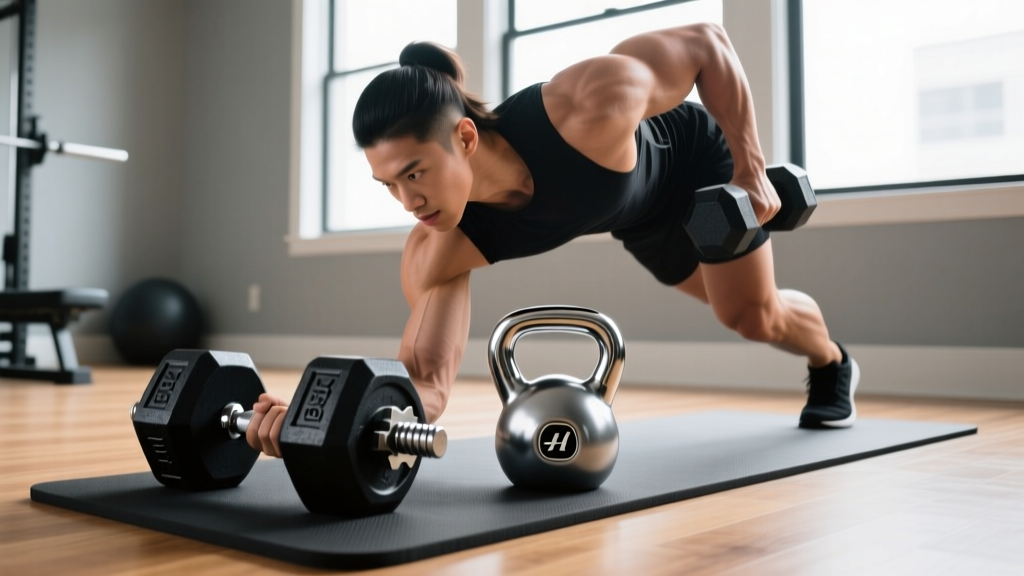
One-Arm Dumbbell Row vs Kettlebell: Cast Iron vs Competition

Beyond the Dumbbell Symbol: Loadable Plates for Compact Gyms
Barbell vs Dumbbell Back Exercises: Olympic Barbell Knurl Guide
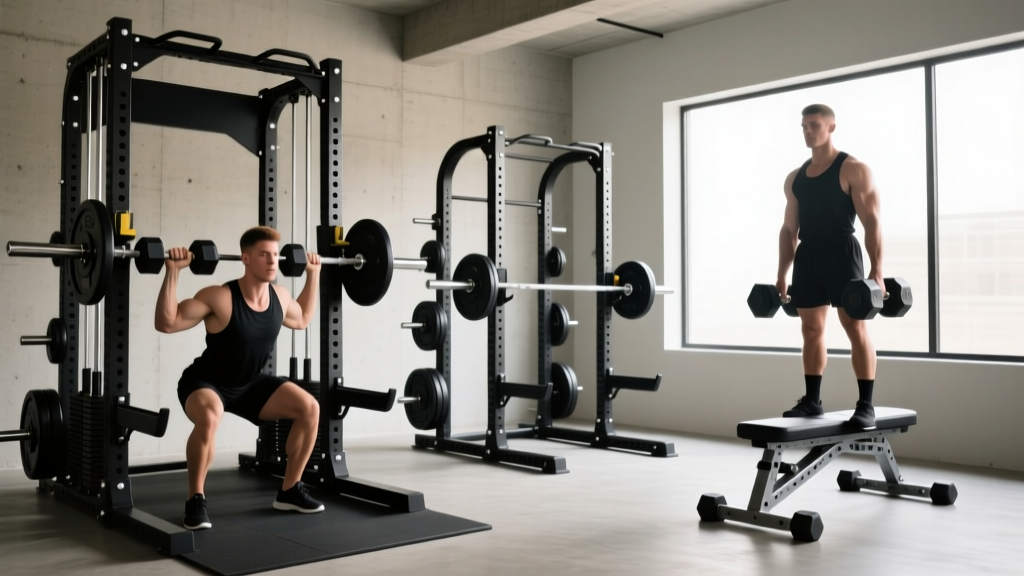
Power Rack vs Squat Rack vs Squat Stand: Dumbbell Coffin Press Guide
