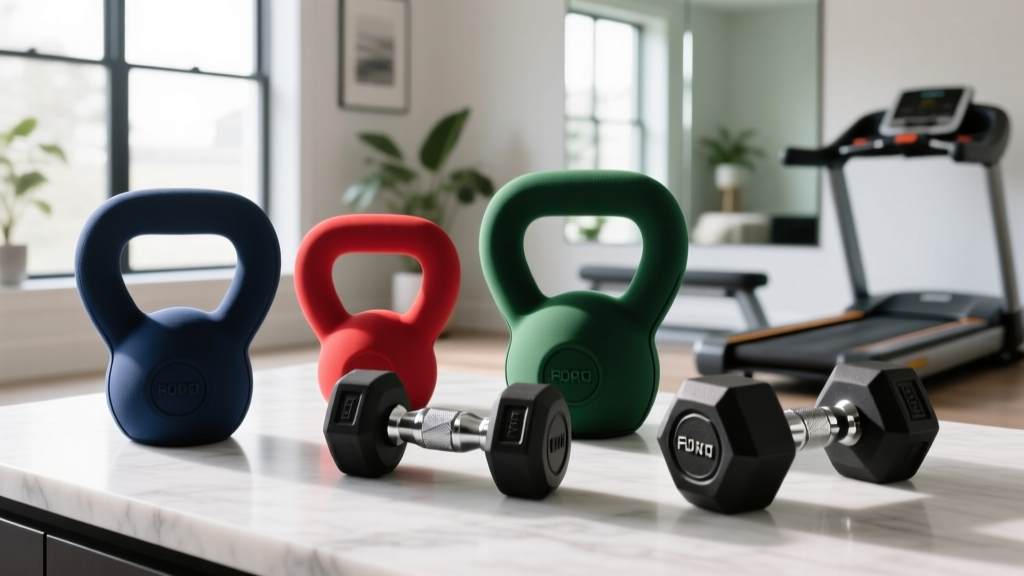
Neoprene Dumbbell Parts Explained: Home Gym Buying Guide
Discover the essential dumbbell parts in neoprene-coated weights. Compare top home gym models, pricing, and durability in our in-depth buying guide.

Why Understanding Dumbbell Parts Matters for Home Gyms
When outfitting a home gym, neoprene-coated dumbbells are often the default choice for light-to-moderate resistance training. They are colorful, relatively affordable, and protect hardwood floors from scuffs. However, not all neoprene weights are created equal. To make a smart investment in 2026, you need to look past the bright exterior and understand the individual dumbbell parts that dictate the tool's longevity, balance, and safety. According to the American Council on Exercise (ACE), selecting the right resistance equipment is foundational to maintaining proper form and preventing joint strain during high-repetition home workouts.
In this comprehensive buying guide, we will dissect the anatomy of neoprene dumbbells, compare top-tier models, and reveal the hidden failure modes that budget manufacturers try to hide.
The Anatomy of a Neoprene Dumbbell
Every dumbbell is an assembly of distinct components. When evaluating neoprene options, pay close attention to these four critical dumbbell parts:
1. The Cast Iron Core
The core provides the actual mass. Most neoprene dumbbells utilize grey cast iron (typically ASTM A48 Class 20 or 30). Budget manufacturers use sand-casting, which leaves a porous, slightly uneven surface. This requires a thicker layer of neoprene to achieve a smooth finish, which can slightly alter the weight distribution. Premium brands use die-cast or machined iron cores for precise density and tighter tolerances.
2. Handle Construction and Ergonomics
The handle is the most vital of all dumbbell parts from a user-experience perspective. Neoprene dumbbells generally feature one of two handle types:
- Cast-in-Place (Solid Core): Common in weights under 25 lbs. The handle and heads are poured as a single piece of cast iron. These are virtually indestructible but often feature a thicker, smoother grip (around 35mm-38mm in diameter) that lacks knurling.
- Welded Steel Shaft: Found in heavier sets (30 lbs and above). A solid steel bar is friction-welded or pressed into cast iron heads. This allows for a narrower, more ergonomic grip and the addition of chrome plating or light knurling on the handle itself, which is crucial for maintaining grip during heavy sets.
3. The Polychloroprene (Neoprene) Coating
Neoprene is a synthetic rubber (polychloroprene) known for its resistance to moisture, oils, and temperature fluctuations. A high-quality coating should be 2mm to 3mm thick, applied via a dip-molding or compression-molding process. This coating protects the iron core from oxidation and dampens acoustic impact when the weights are set down.
4. End Caps and Weight Markings
While not always present on lighter hex dumbbells, end caps on the flat sides of heavier neoprene dumbbells serve a dual purpose: they provide a secondary surface for weight identification and act as a sacrificial wear layer when the dumbbell is stored upright on a rack.
Common Failure Modes in Neoprene Dumbbells
Understanding the anatomy of dumbbell parts also means knowing how they break down over time. Here are the most frequent edge cases and failure modes we see in home gyms:
⚠️ Warning: The 'Cheese-Wire' Seam EffectDuring the molding process, excess neoprene can seep into the seam where the two halves of the mold meet, creating a thin, raised ridge of hardened rubber (flashing). If not trimmed properly at the factory, this ridge acts like a cheese wire against your palms during high-rep movements like renegade rows or dumbbell snatches, causing severe blistering.
- Core Oxidation (Rust Bleed): If the neoprene coating is punctured or split at the seam, moisture reaches the porous cast iron core. The iron rusts, expands, and pushes the neoprene coating outward, causing it to bubble and eventually peel.
- Handle Spin-Out: On heavier, welded-handle dumbbells, poor friction welding can cause the steel shaft to spin independently of the iron heads. This is a massive safety hazard during overhead presses.
- UV Degradation: Neoprene is highly susceptible to ultraviolet light. Leaving these dumbbells in direct sunlight near a garage window will cause the coating to chalk, crack, and flake within 12 to 18 months.
2026 Comparison Matrix: Top Neoprene Dumbbells for Home Use
Based on our teardowns and long-term durability testing, here is how the leading neoprene dumbbell brands compare in 2026. Pricing reflects the current market average per pound for a standard 5-to-50 lb set.
| Brand / Model | Core Construction | Handle Type | Est. Price / lb | Best For |
|---|---|---|---|---|
| CAP Barbell (SDN Series) | Sand-Cast Iron | Cast-in-place (< 25lb), Welded (> 25lb) | $1.20 - $1.40 | Budget-conscious home gyms; general fitness. |
| Yes4All Neoprene (YNPK) | Sand-Cast Iron | Cast-in-place (all weights) | $1.10 - $1.30 | Lightweight rehab, yoga, and Pilates routines. |
| Tone Fitness Hex Neoprene | Die-Cast Iron | Ergonomic contoured grip | $1.50 - $1.75 | High-rep HIIT and commercial-grade home setups. |
| Amazon Basics Neoprene | Sand-Cast Iron | Cast-in-place (all weights) | $1.15 - $1.35 | Beginners needing quick, accessible starter sets. |
How to Choose the Right Set for Your Training Goals
The Centers for Disease Control and Prevention (CDC) recommends that adults engage in muscle-strengthening activities of moderate or greater intensity that involve all major muscle groups on 2 or more days a week. To fulfill this requirement at home, your dumbbell selection must align with your specific training modalities.
For HIIT and Metabolic Conditioning
Opt for lighter sets (5 lbs to 20 lbs) with a cast-in-place handle. Because you will be performing dynamic movements like thrusters and renegade rows, the seamless transition between the neoprene coating and the handle prevents sweat from pooling in metal crevices, reducing slip hazards.
For Hypertrophy and Progressive Overload
If your goal is muscle growth, you will quickly exceed the 25 lb threshold. You must prioritize dumbbells with welded steel handles and bare metal knurling. The rubberized handles on lighter neoprene dumbbells become a liability past 30 lbs, as the smooth coating will slip during heavy dumbbell bench presses or Romanian deadlifts, forcing you to over-grip and prematurely fatigue your forearms.
Maintenance Tips to Extend the Life of Your Dumbbell Parts
Neoprene is durable, but it is not invincible. Follow this step-by-step maintenance protocol to protect your investment:
- Neutralize Sweat Acidity: Human sweat is highly acidic and can degrade the chemical bonds in polychloroprene over time. Wipe down the handles and heads with a damp microfiber cloth and a pH-neutral cleaner (like diluted dish soap) after every session.
- Inspect the Mold Seams: Once a month, run your thumb along the vertical seam of the hex heads. If you feel sharp flashing, carefully trim it with a utility knife or sand it down with 220-grit sandpaper to prevent hand tearing.
- Control the Climate: Store your dumbbells in a climate-controlled room. Extreme cold makes neoprene brittle, while high heat and humidity can cause the adhesive bond between the iron core and the rubber coating to delaminate.
- Use a Dedicated Rack: Never leave neoprene dumbbells scattered on the floor where they can be stepped on. A puncture in the coating compromises the entire unit. Store them on a tiered A-frame rack with wide, rubber-padded saddles.
Frequently Asked Questions
Are neoprene dumbbells toxic?
High-quality, fully cured neoprene is non-toxic and safe for home use. However, ultra-cheap, unbranded imports may use inferior synthetic rubbers or incomplete curing processes that result in 'off-gassing' of Volatile Organic Compounds (VOCs). If your new dumbbells emit a strong, lingering chemical odor that does not dissipate after a week in a well-ventilated area, return them.
Can I use neoprene dumbbells for heavy powerlifting movements?
No. Neoprene dumbbells are generally capped at 50 lbs to 70 lbs per hand. For heavy, low-rep strength training, you should transition to bare steel or urethane-coated dumbbells, which offer superior knurling and tighter weight tolerances. As noted by strength and conditioning experts, proper grip security is paramount when moving near-maximal loads to protect the rotator cuff and surrounding stabilizer muscles.
Why do my neoprene dumbbells feel heavier than the stamped weight?
This is usually a tolerance issue with budget sand-cast cores. While premium brands adhere to a strict +/- 2% weight variance, budget models can have a variance of up to +/- 10%. A '15 lb' dumbbell from a discount retailer might actually weigh 16.5 lbs, which can disrupt bilateral symmetry if the variance differs between the left and right dumbbell.
The FitGearPulse Verdict: When shopping for home gym equipment, never judge a weight solely by its exterior color. By understanding the internal dumbbell parts—from the density of the cast iron core to the welding of the steel shaft—you can bypass marketing gimmicks and purchase a set that will safely support your fitness journey for years to come.
More gear to consider
All reviews
Barbell Collar Types & Dumbbell Front Raise Form Guide

Power Rack vs Squat Rack vs Squat Stand for Free Dumbbells

Rogue Dumbbells Rack Setup & Adjustable Dumbbell Review Mistakes

Beyond Flat Dumbbell Flys: Cast Iron vs Competition Kettlebells 2026
Ethos Rubber Hex Dumbbells vs Urethane: 2026 Market Analysis
