Love Handles Exercises with Dumbbells vs. Kettlebells: Cast Iron Value Guide
Compare cast iron vs competition kettlebells and dumbbells for love handles exercises. Discover the 2026 budget breakdown and value analysis for your core.

The Biomechanics of Asymmetrical Core Training
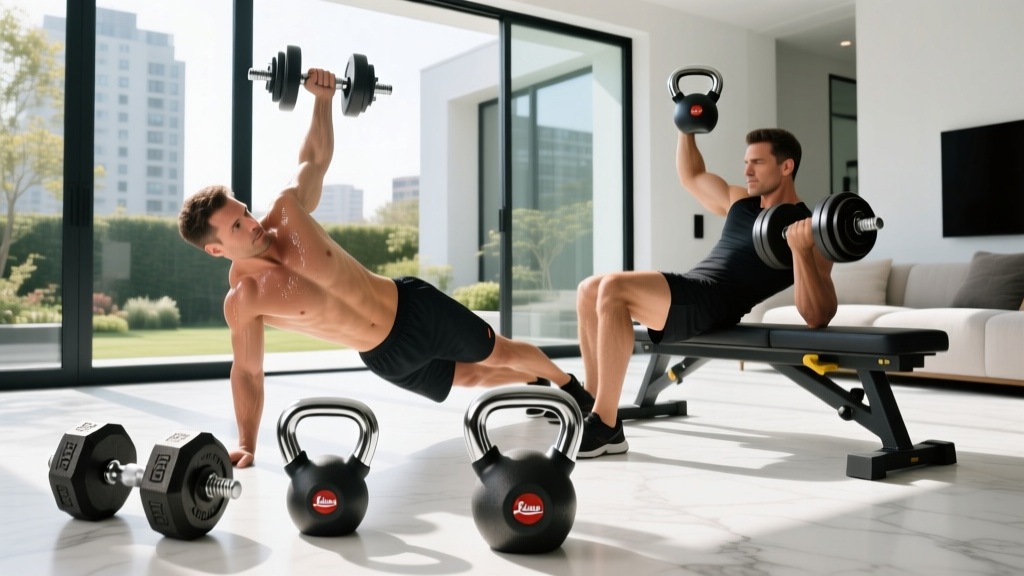
When fitness enthusiasts program love handles exercises with dumbbells, they are primarily targeting the external and internal obliques, along with the quadratus lumborum (QL). These muscles are responsible for lateral flexion, rotation, and anti-rotation. While traditional dumbbell side bends and suitcase carries are staples in any core routine, the modern home gym athlete is increasingly asking a critical value-driven question: Are kettlebells a more cost-effective and biomechanically superior alternative for oblique training?
To answer this, we must look beyond basic marketing and dive into a rigorous budget breakdown and value analysis of free weight equipment in 2026. Specifically, we will dissect the cast iron vs. competition kettlebell debate, comparing them directly against adjustable and fixed dumbbells to determine where your money yields the highest return on muscular adaptation.
Expert Insight: According to core stabilization research highlighted by the American Council on Exercise (ACE), asymmetrical loading (like holding a single kettlebell or dumbbell) forces the contralateral obliques to fire at up to 40% higher capacity than bilateral loading to prevent spinal deviation.Cast Iron vs. Competition Kettlebells: The 2026 Budget Breakdown
If you are pivoting from dumbbells to kettlebells for dynamic core work like the Kettlebell Windmill or Turkish Get-Up, you will immediately face a fork in the road: Cast Iron or Competition Steel? The price disparity is massive, and understanding the manufacturing differences is key to evaluating long-term value.
1. Cast Iron Kettlebells: The Budget Workhorse
Cast iron bells are poured into molds, resulting in a product where the physical dimensions scale with the weight. An 8kg bell is small; a 32kg bell is massive.
- Average 2026 Cost: $1.50 to $2.20 per pound.
- Top Value Models: Rogue Fitness Cast Iron, Rep Fitness KG1000.
- Coating: Typically powder-coated or e-coated enamel.
- Best For: General fitness, heavy grinds, and budget-conscious home gyms.
2. Competition Kettlebells: The Premium Standard
Competition bells are made from single-cast steel. Crucially, a 12kg competition bell is the exact same physical size as a 32kg bell. This uniformity means your technique and grip mechanics never change as you progress in weight.
- Average 2026 Cost: $4.00 to $6.50 per pound.
- Top Value Models: Kettlebell Kings Competition, Onnit Steel.
- Coating: Bare polished steel or color-coded paint on the body.
- Best For: Kettlebell sport, high-rep ballistic movements, and strict technical progression.
Equipment Value Matrix: Dumbbells vs. Kettlebells
How do these kettlebell options stack up against dumbbells when specifically programming for the obliques? Below is a comparative value matrix based on a standard home gym setup targeting the 35lb to 50lb range per hand.
| Equipment Type | Estimated Cost (Pair/Set) | Cost Per Pound | Oblique Exercise Versatility |
|---|---|---|---|
| Adjustable Dumbbells (5-50lb) | $350 - $450 | ~$3.50 - $4.50/lb | Moderate (Fixed grip limits rotational flow) |
| Cast Iron Kettlebells (16kg + 24kg) | $130 - $180 | ~$1.50 - $2.00/lb | High (Offset horn allows deep windmills) |
| Competition Kettlebells (16kg + 24kg) | $300 - $420 | ~$4.25 - $6.00/lb | Elite (Standardized 35mm handle ensures perfect grip) |
The Hidden Costs of Handle Geometry and Grip Fatigue
When executing high-repetition love handles exercises with dumbbells, such as the dumbbell Russian twist or standing chop, the straight, knurled handle of a dumbbell can cause severe grip fatigue and callus tearing. The center of mass sits directly inside your palm.
Kettlebells, by contrast, feature an offset center of mass. The handle (or 'horn') rests against the heel of the palm and the fingers, while the bulk of the weight rests against the forearm. According to technique standards outlined by StrongFirst, this offset loading recruits the latissimus dorsi and deep core stabilizers more effectively during overhead and lateral movements. However, handle diameter matters immensely for value:
- Competition Bells: Universally 35mm. This allows your grip to adapt perfectly, meaning you never have to 're-learn' the tactile feel of the weight as you buy heavier bells.
- Cast Iron Bells: Vary from 32mm on lighter bells to over 38mm on heavy bells. A 38mm handle will crush your grip during a 50-rep oblique twist circuit, forcing you to stop the set before your core muscles reach true failure.
"If your primary goal is high-volume rotational core work and lateral flexion, investing in a single 16kg or 20kg competition kettlebell yields a higher biomechanical ROI than a cheap set of vinyl-coated hex dumbbells. The uniform 35mm handle prevents grip from becoming the limiting factor in oblique hypertrophy."
Real-World Failure Modes to Avoid
Before pulling the trigger on your 2026 equipment order, be aware of the specific failure modes associated with budget free weights:
1. Enamel Chipping on Cast Iron
Budget cast iron bells are often finished with a thick, brittle enamel. If you are performing dynamic core movements like the Kettlebell Snatch or dropping the bell after a heavy Suitcase Carry onto a concrete garage floor, the enamel will chip. This exposes raw iron to humidity, leading to rust that can stain your floors and ruin your knurling.
2. Adjustable Dumbbell Mechanism Failure
While adjustable dumbbells (like the Nuobell or Bowflex SelectTech) offer incredible space efficiency, they are highly sensitive to lateral impact. Dropping an adjustable dumbbell during a fatigued lateral lunge or side bend can shatter the internal plastic dial or locking pins, instantly turning a $400 investment into a paperweight.
3. Competition Bell Floor Damage
Competition bells are made of solid steel. While the bodies are sometimes painted, the bottom is often bare or features a thin rubber plug. Dropping a 24kg steel competition bell on hardwood or standard rubber mats will dent the floor. You must factor in the cost of high-density horse-stall mats (roughly $50-$70 per 4x6 sheet) to protect your subfloor.
The Final Purchasing Framework for Core Training
To maximize your budget while effectively targeting the obliques and erector spinae, follow this decision matrix:
- The Pure Budget Route (Under $100): Buy a single 16kg or 20kg Cast Iron Kettlebell with a powder-coated finish. Use it for single-arm suitcase carries, windmills, and offset front squats. The asymmetrical load will torch your love handles without the expense of a full dumbbell set.
- The Versatility Route ($300 - $450): Invest in a high-quality pair of Adjustable Dumbbells. This allows you to perform traditional love handles exercises with dumbbells (like side bends and renegade rows) while also having the micro-increments needed for pressing and curling movements.
- The Technical Purist Route ($400+): Purchase two Competition Kettlebells (e.g., 16kg and 24kg). The standardized dimensions will allow you to master complex, multi-planar core movements like the Bent Press and Turkish Get-Up with zero grip ambiguity.
Ultimately, while love handles exercises with dumbbells remain a foundational pillar of core programming, integrating the offset mechanics of a well-chosen kettlebell can break through plateaus. By understanding the true cost-per-pound and the biomechanical implications of handle geometry, you can build a home gym that respects both your wallet and your waistline.
More gear to consider
All reviews
2026 Market Analysis: Racks for the 150 Pound Dumbbell

How to Hit Rear Delts With Dumbbells: 2026 Adjustable Guide

Maintaining Loadable Dumbbells for CrossFit Dumbbell Thrusters

Best Storage Racks for Dumbbell Exercises for Love Handles

EZ Bar vs Straight Bar & Underarm Dumbbell Exercises: 2026 Trends