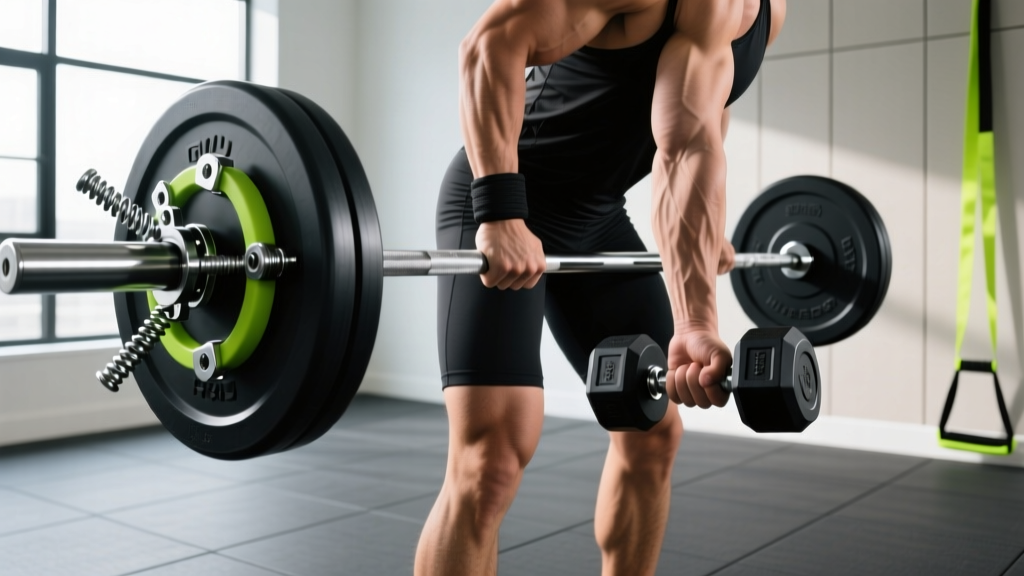
Maximize Space With Loadable Grind Dumbbells & Plates
Discover how loadable grind dumbbells and interchangeable plates can save up to 80% of your home gym space. Expert layout tips and storage math inside.

The Spatial Math: Fixed Racks vs. Loadable Grind Dumbbells
When designing a home gym in a spare bedroom, garage corner, or apartment alcove, spatial efficiency is the ultimate bottleneck. For lifters committed to the daily grind, dumbbells that allow for heavy loading and micro-progressions are non-negotiable. However, traditional fixed-weight hex dumbbell sets are notorious space hogs. A standard 5-to-50-pound rubber hex set (10 pairs) paired with a three-tier A-frame rack demands a footprint of roughly 18 square feet. Once you factor in the mandatory 3-foot clearance zone required for safe lateral movements and dumbbell presses, that single equipment station consumes over 36 square feet of your layout.
This is where loadable grind dumbbells—referring to heavy-duty, plate-loaded Olympic or standard handles built for rigorous daily use—completely revolutionize home gym floor plans. By utilizing interchangeable weight plates, you can replicate the exact same 5-to-50-pound range (and beyond) using a single pair of handles and a compact vertical plate tree. The physical footprint of the handles is essentially zero when stored, and a 200-pound set of cast iron or urethane plates stored on a vertical A-frame occupies a mere 4 square feet. This represents an 80% to 85% reduction in dedicated floor space, freeing up critical square footage for a power rack, cardio equipment, or simply a safe, uncluttered lifting zone.
Space Optimization Snapshot
- Fixed Hex Set (5-50 lbs) + Rack: ~36 sq. ft. (including clearance)
- Loadable Handles + 200 lbs Plates + A-Frame: ~10 sq. ft. (including clearance)
- Space Saved: Up to 26 sq. ft. per lifting station
Selecting the Right Loadable Handles for Compact Layouts
Not all loadable handles are created equal, especially when sleeve length and knurling depth dictate both the maximum load and the ergonomic viability of the movement. When sourcing the ultimate grind dumbbells for a micro-gym, you must balance sleeve real estate with overall handle length to ensure the dumbbells do not clash during close-grip presses or goblet squats.
| Brand & Model | Sleeve Length | Max Load (Est.) | Price (2026) | Best For |
|---|---|---|---|---|
| Rogue Fitness Loadable Dumbbell Handles | 10.5 inches | ~120 lbs/side | $110.00 / pair | Heavy Olympic plates |
| Titan Fitness Olympic Loadable Handles | 15.0 inches | ~160 lbs/side | $79.99 / pair | Thick bumper plates |
| CAP Barbell Standard 1" Handles | 8.0 inches | ~65 lbs/side | $35.99 / pair | Budget 1" cast iron |
| Fringe Sport EZ-Curl Loadable Handle | 10.0 inches | ~100 lbs/side | $89.00 / single | Arm isolation & curls |
For the ultimate space-saving setup, the Titan Fitness Olympic Loadable Handles are currently the industry darling for home gym owners. The extended 15-inch sleeve allows you to load multiple thick urethane grip plates or standard 45-pound bumpers without the collars slipping off during heavy floor presses. Conversely, if your layout is exceptionally tight and you primarily perform isolation movements, the shorter Rogue handles prevent the dumbbells from colliding at the top of a chest fly.
The Plate Thickness Dilemma: Cast Iron vs. Urethane vs. Bumper
When building out your interchangeable plate ecosystem, the material of your plates directly impacts your spatial efficiency. Urethane grip plates (like the Rogue Urethane Grip Plates) are highly durable, odorless, and protect your flooring, but they are significantly thicker than traditional cast iron. A 10-pound urethane plate is roughly 1.75 inches thick, whereas a 10-pound machined cast iron plate is barely 1 inch thick. If you opt for loadable grind dumbbells with shorter 8-to-10-inch sleeves, utilizing thick bumper plates will max out your sleeve capacity at around 45 to 65 pounds per hand. For lifters who need to press 100+ pounds per hand, pairing Olympic loadable handles with calibrated steel plates or thin cast iron is mandatory to conserve sleeve space.
Designing Your Storage Layout for Interchangeable Plates
The true secret to space optimization lies not just in the equipment you buy, but in how you store it when it is not in your hands. Storing interchangeable plates on the floor creates tripping hazards and violates basic gym ergonomics. Here are the three most effective storage layouts for small-footprint home gyms:
- The Vertical A-Frame Tree (Best for Garages): A standard vertical plate tree holds up to 300 pounds and occupies a 24" x 24" footprint. Place this in the corner of your lifting zone. According to Mayo Clinic's strength training guidelines, keeping weights organized and off the floor is critical for preventing trip-related injuries in home environments.
- Wall-Mounted Plate Pegs (Best for Apartments/Bedrooms): If floor space is entirely off-limits, wall-mounted Olympic plate pegs are the ultimate hack. By mounting two heavy-duty steel pegs into wall studs (spaced 18 inches apart), you can store your plates vertically against the wall. This reduces the floor footprint to absolute zero. Ensure you mount the pegs at least 12 inches off the ground to allow the largest 45-pound plates (17.7" radius) to hang freely without scraping the baseboards.
- Under-Bench Integration (Best for Micro-Studios): If you utilize an adjustable FID (Flat/Incline/Decline) bench, look for models with built-in rear plate horns or under-seat storage racks. Brands like Rep Fitness and Prime Fitness offer benches that allow you to slide 1-inch or 2-inch plates onto horizontal pegs attached to the bench frame, effectively hiding the plates beneath your working station.
Ergonomics, Safety Clearances, and Loading Zones
Space optimization must never come at the expense of safety. When designing your layout around loadable grind dumbbells, you must account for the "loading zone"—the physical space required to slide plates on and off the handles. Research published by the National Institutes of Health (NIH) on home-based resistance training environments emphasizes that inadequate spatial clearance is a leading cause of equipment damage and musculoskeletal strain during setup.
⚠️ Layout Warning: Never place your plate storage tree directly adjacent to your lifting bench. You need a minimum of 36 inches of lateral clearance between your storage rack and your lifting zone to safely bend, load, and lift the dumbbells without twisting your spine in a compromised position.To streamline the loading process in a tight space, invest in a pair of heavy-duty dumbbell jacks or a dedicated loading stand. A dumbbell jack elevates the handle off the floor by 4 to 6 inches, allowing you to slide plates on and off without having to deadlift the handle and balance it on your knee. This not only saves your lower back but also reduces the lateral swinging space required to maneuver heavy, fully-loaded dumbbells into position.
Step-by-Step: Configuring a 50 Sq. Ft. Micro-Gym
If you are working with a strict 50-square-foot footprint (e.g., a 5' x 10' spare room), here is the exact blueprint for integrating loadable dumbbells into your layout:
- Zone 1: The Lifting Perimeter (30 sq. ft.): Lay down 3/4-inch horse stall mats in a 5' x 6' rectangle. This provides shock absorption and defines your active lifting zone.
- Zone 2: The Vertical Storage Corner (4 sq. ft.): Position a wall-mounted plate peg system or a slim-profile A-frame in the far back corner, ensuring the largest plates do not overhang into the walking path.
- Zone 3: The Bench & Loading Station (10 sq. ft.): Place a compact, foldable FID bench against the wall when not in use. Keep a pair of spin-lock collars or quick-release clamps on a small magnetic hook mounted to the wall to prevent them from rolling under the bench.
- Zone 4: The Transit Path (6 sq. ft.): Maintain a strict 2-foot wide walking lane from the door to the storage zone. Never leave loaded grind dumbbells on the floor post-workout; the space-saving nature of loadable handles only works if you strip them down and re-rack the plates immediately.
Final Thoughts on Space-Saving Iron
Transitioning from a bulky fixed dumbbell rack to a set of loadable grind dumbbells with interchangeable plates is one of the highest-ROI layout decisions a home gym owner can make. It requires a shift in mindset—from treating dumbbells as static furniture to treating them as modular, dynamic tools. By carefully selecting the right sleeve lengths, prioritizing thin-profile cast iron or calibrated plates, and utilizing vertical wall storage, you can build a world-class, heavy-duty lifting environment in a space smaller than a standard walk-in closet.
More gear to consider
All reviews
Olympic vs Standard Plates & Proper Dumbbell Bench Press Form

Incline Dumbbell Front Raise Mistakes & Adjustable Dumbbell Reviews

EZ Curl vs Straight Bar Care & Gear for Good Chest Dumbbell Workouts
Loadable Dumbbells for Donkey Kicks With Dumbbells: 2026 Top Picks
Home Barbell Gym Maintenance: EZ Curl Bar vs Straight Bar Care