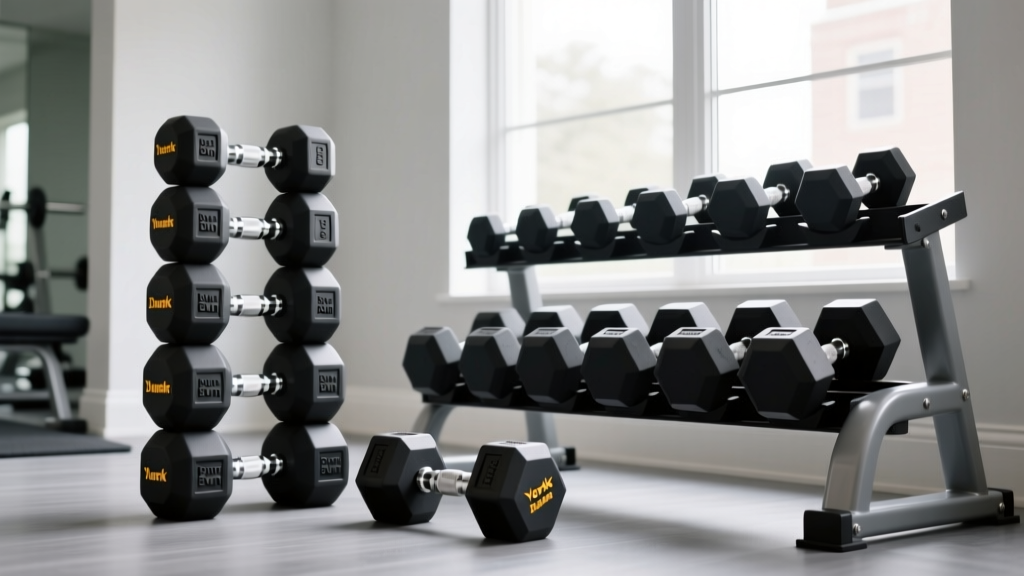
Top Loadable Dumbbells for Proper Incline Dumbbell Press Form
Discover the best loadable dumbbells for 2026 and master proper incline dumbbell press form with our expert hands-on review and biomechanics guide.

Building a commercial-grade home gym in 2026 often means prioritizing space and versatility without sacrificing the tactile feel of free weights. For chest hypertrophy, the incline dumbbell press remains a gold-standard movement. However, executing proper incline dumbbell press form becomes significantly more complex when you swap traditional fixed hex dumbbells for a loadable dumbbell with interchangeable plates. The lateral weight distribution, handle thickness, and plate clearance all fundamentally alter the biomechanics of the lift.
In this expert hands-on review, we evaluate the top loadable dumbbell systems on the market specifically through the lens of incline pressing. We will break down the exact biomechanical adjustments required to maintain joint safety and maximize upper pectoral activation when using plate-loaded handles.
Why Loadable Dumbbells Change Your Incline Press Mechanics
When you pick up a standard 50-pound urethane dumbbell, the center of mass (CoM) is tightly clustered around the handle. A loadable dumbbell with interchangeable plates, however, extends the mass laterally. According to ExRx.net's biomechanical database, increasing the moment arm at the shoulder joint requires greater stabilization from the rotator cuff and serratus anterior.
Expert Insight: The wider the plates sit on the handle, the higher the rotational inertia. If your wrists lack the isometric strength to prevent the dumbbell from tilting forward or backward during the descent, you will lose tension in the clavicular head of the pectoralis major and shift the load dangerously onto the anterior deltoid.Furthermore, the physical diameter of the plates can restrict your range of motion (ROM). If you are using Olympic-sized plates on a standard loadable handle, the plates may collide with the incline bench or your torso before your pecs achieve a full stretch, completely altering the strength curve of the exercise.
Hands-On Review: Top Loadable Dumbbells for Incline Pressing
Not all adjustable systems are created equal. We tested the most popular loadable dumbbells on the market, specifically evaluating their knurling, weight distribution, and clearance during deep incline presses.
1. Ironmaster Quick-Lock V2 (Best Overall for Incline)
Price Range: $399 - $459 (Base Kit)
Weight Increments: 5 to 45 lbs (in 2.5 lb micro-increments)
Handle Diameter: 1.25 inches
The Ironmaster Quick-Lock V2 is the closest a loadable dumbbell gets to the feel of a fixed commercial dumbbell. Its square, blocky design keeps the interchangeable plates incredibly close to the handle, minimizing lateral weight shift. During our incline press tests, the aggressive knurling provided exceptional grip security even without chalk. The flat ends also allow you to safely rest the dumbbells on your thighs during the kick-up phase—a critical component of proper incline dumbbell press form.
2. Titan Fitness 2-Inch Olympic Loadable Handles (Best for Heavy Loaders)
Price Range: $119 - $139 (Pair)
Weight Capacity: Up to 150+ lbs per handle (depending on sleeve length)
Handle Diameter: 1.5 inches (Olympic barbell standard)
If you are pressing 100+ lb dumbbells, the Titan Olympic handles allow you to use your existing bumper or iron plates. However, they present a major biomechanical hurdle for the incline press: sleeve length. If you load 25-pound iron plates, the sheer width of the dumbbell will cause the plates to hit the uprights of an adjustable bench at a 45-degree angle. Workaround: You must use low-profile fractional plates or set the bench to a lower 30-degree incline to maintain a full stretch.
3. Yes4All Cast Iron Adjustable (Best Budget Option)
Price Range: $59 - $89 (Pair)
Weight Increments: Variable based on standard 1-inch plates
Handle Diameter: 1 inch
While highly affordable, the Yes4All standard spin-lock handles are the most problematic for incline pressing. The threaded ends and star-lock nuts can dig into the medial side of your wrists during the bottom of the press if your form breaks down. Additionally, the 1-inch handles lack adequate knurling, making grip strength the limiting factor before chest failure occurs.
Step-by-Step Guide to Proper Incline Dumbbell Press Form
Using a loadable dumbbell requires strict adherence to biomechanical cues. The ACE Fitness Exercise Library outlines standard pressing mechanics, but we have adapted these specifically for the wider profile of plate-loaded handles.
Phase 1: The Kick-Up and Seating
- The Thigh Rest: Sit on the incline bench (set to 30 degrees) and rest the flat ends of the loadable dumbbells vertically on your distal thighs, just above the knees.
- The Momentum Shift: Lean back while simultaneously driving your right knee up to launch the right dumbbell into position, followed immediately by the left. Do not curl the weights up; use leg momentum.
- Scapular Anchoring: Before the weights settle, pinch your shoulder blades together and down (retraction and depression). This creates a stable shelf on the bench and protects the anterior capsule of the shoulder.
Phase 2: The Descent and Elbow Tuck
Because loadable dumbbells have higher rotational inertia, flaring your elbows to 90 degrees (T-shape) is a recipe for an AC joint impingement.
- Elbow Angle: Tuck your elbows to a 30-to-45-degree angle relative to your torso.
- Wrist Stacking: Ensure the handle of the dumbbell sits directly over the radius and ulna bones of your forearm. Do not let the heavy plates pull your wrists into hyperextension.
- Depth Cue: Lower the weights until your thumbs are roughly level with your collarbone, or until the plates lightly graze your chest/shoulders—whichever comes first without breaking scapular retraction.
Phase 3: The Press and Converge
Drive the weights up and slightly inward. Unlike a barbell, dumbbells allow for adduction at the top of the movement. Squeeze the upper pecs forcefully at the apex, but avoid clanking the heavy metal plates together, which can chip the coatings or loosen the locking collars on your loadable handles.
Bench Angle and Grip Width Matrix
The optimal setup changes based on the exact loadable dumbbell model you are using. Use this matrix to dial in your equipment:
| Dumbbell Type | Optimal Bench Angle | Grip Width | ROM Restriction Risk |
|---|---|---|---|
| Ironmaster Quick-Lock | 30° - 45° | Standard (Just outside shoulders) | Low |
| Olympic Loadable (Bumpers) | 15° - 30° | Wide (To clear bench uprights) | High |
| Standard 1" Spin-Lock | 30° - 45° | Narrow (To reduce wrist torque) | Medium |
"When using Olympic loadable handles, the diameter of a standard 45lb bumper plate is 17.5 inches. If your bench pad is only 10 inches wide, the plates will physically strike the floor or bench frame before your chest muscles reach maximum stretch. Always calculate your plate diameter against your bench clearance."
Common Failure Modes and Troubleshooting
Even experienced lifters run into edge cases when adapting to interchangeable plates. Here is how to troubleshoot the most common issues:
1. The "Rattle" and Micro-Movements
If your plates are not tightened flush against the handle collar, the micro-movements of the plates shifting during the concentric press will disrupt your neuromuscular firing patterns. Fix: Always use a calibrated tightening wrench for spin-lock collars, or ensure the Quick-Lock screw is torqued until the plate stack is completely immobilized. For Olympic handles, use heavy-duty spring collars rather than cheap plastic clamps.
2. Asymmetrical Weight Distribution
Loadable dumbbells require you to manually match the weight on both sides. A 2.5 lb discrepancy might not matter on a leg press, but on an incline dumbbell press, it will cause your stronger side to internally rotate, throwing your thoracic spine out of alignment. Fix: Invest in a digital floor scale and weigh both dumbbells before your working sets to ensure exact parity down to the ounce.
3. Wrist Fatigue Preceding Chest Fatigue
Because the 1-inch handles on budget loadable dumbbells are thinner than standard commercial dumbbells, the pressure per square inch on your palm increases. This often leads to grip failure before the clavicular pecs are fully stimulated. Fix: Use the "bulldog grip" (allowing the handle to sit slightly lower in the palm, closer to the callus line) or invest in wrist wraps to maintain structural integrity during heavy 6-8 rep max sets.
Frequently Asked Questions
Can I use loadable dumbbells for drop sets on the incline bench?
While possible, it is highly impractical. Unscrewing collars and swapping plates mid-set will cause your core temperature and heart rate to drop, ruining the metabolic stress required for an effective drop set. If drop sets are a staple in your hypertrophy programming, consider a selectorized adjustable dumbbell (like PowerBlock or Nuobell) instead of a traditional plate-loaded system.
What is the safest way to bail out of a failed rep?
Never drop loadable dumbbells with iron plates directly onto a hard floor, as the plates can shatter or bounce unpredictably. If you fail a rep, guide the dumbbells down to your thighs, use your knees to absorb the impact, and lean forward to stand up. If you are using rubber bumper plates on Olympic handles, you can safely drop them to heavy-duty stall mats placed on either side of the bench.
Do I need to change my bench angle when switching from hex to loadable dumbbells?
Yes, in some cases. As noted in our matrix, if your loadable dumbbells feature wide, bulky plates, you must lower the bench from a traditional 45-degree angle down to 30 degrees. This prevents the plates from hitting the bench uprights and ensures you maintain the correct line of pull for the upper pectorals, as detailed in the Ironmaster Quick-Lock V2 specifications regarding clearance requirements.
Mastering proper incline dumbbell press form with a loadable dumbbell requires respect for the equipment's unique physics. By selecting the right handle profile, calculating your plate clearance, and strictly managing your elbow tuck, you can achieve elite-level chest hypertrophy right in your home gym.
More gear to consider
All reviews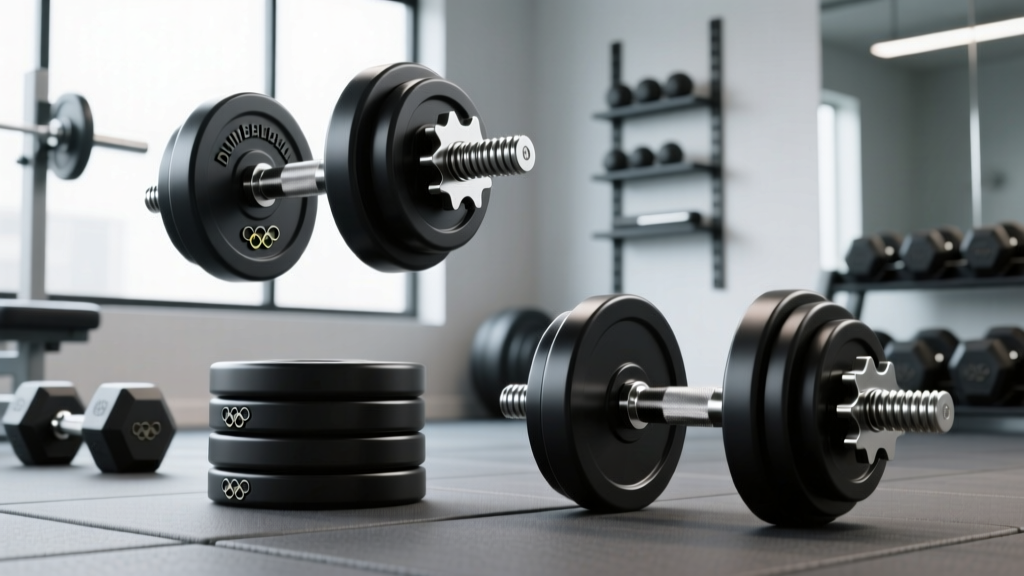
Barbell Collar Types: Securing the Dumbbell Crunch Press
Dumbbell Swings Exercise: Rubber Hex vs Urethane Care

Bumper vs Iron Plates: Space Layouts for Dumbbell Lying Leg Raises

Cast Iron Kettlebell vs Competition: The Iron Dumbbell Alternative
Loadable Dumbbells for Dumbbell Step Ups at Home: 2026 Value Guide