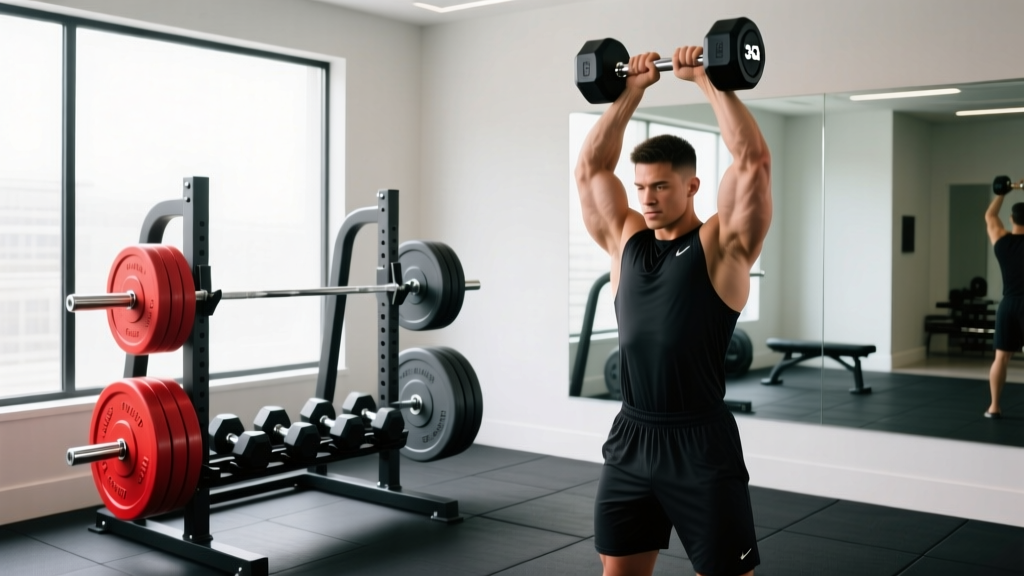
Loadable Dumbbells & The Flat Dumbbell Fly Exercise: Space Layouts
Optimize your home gym layout with loadable dumbbells. Discover hardware specs, plate choices, and space-saving tips for the flat dumbbell fly exercise.

The Spatial Math: Fixed Racks vs. Loadable Handle Systems
Designing a high-performance home gym in 2026 often means battling severe spatial constraints. While adjustable selectorized dumbbells are popular, they lack the durability and knurling feel of traditional iron. Enter the loadable dumbbell with interchangeable plates. Utilizing Olympic loadable dumbbell handles paired with standard plates is the ultimate space-optimization strategy, but it introduces unique biomechanical challenges—particularly when executing isolation movements like the flat dumbbell fly exercise.
Before analyzing the biomechanics, consider the spatial and financial footprint. A traditional rubber hex dumbbell set requires a massive footprint and significant capital, whereas a loadable system condenses your entire dumbbell rack into a single plate tree.
| Metric | Fixed Hex Rack (5-50 lbs) | Loadable Handle System |
|---|---|---|
| Floor Footprint | 18 - 24 sq. ft. (Tiered Rack) | 3 - 4 sq. ft. (Vertical Plate Tree) |
| Upfront Equipment Cost | $1,600 - $2,200 | $450 - $650 (Handles + 200lb Plates) |
| Weight Increment Granularity | 5 lb. jumps (per pair) | 0.5 lb. to 2.5 lb. jumps (via fractional plates) |
| Max ROM for Flyes | Unrestricted | Highly dependent on plate diameter |
Biomechanics Meets Hardware: The Flat Dumbbell Fly Exercise
The flat dumbbell fly exercise is a staple for targeting the sternal head of the pectoralis major. According to modern hypertrophy research, stretch-mediated muscle growth is highly dependent on achieving a deep, loaded stretch at the bottom of the movement. When using fixed dumbbells, the compact heads allow your arms to drop well below the torso, maximizing this stretch.
However, when you transition to a loadable dumbbell with interchangeable plates, the physical geometry of the equipment changes drastically. The sleeves of the dumbbell handles extend outward, and the plates you load dictate the clearance between your hands and the floor.
⚠️ Critical Failure Mode: The 'Floor-Strike' Effect
If you load your handles with standard 45 lb Olympic bumper plates (which have a universal diameter of 17.7 inches), the radius extends 8.85 inches from the sleeve. When you lower your arms for a flat dumbbell fly, the outer edge of the bumper plate will strike the floor or the bench pad before your chest achieves a full stretch. This artificially limits your range of motion (ROM), effectively turning a deep isolation fly into a shallow, mid-range partial rep, negating the primary hypertrophic benefit of the exercise.
Plate Selection for Maximum Stretch and Space Efficiency
To optimize your layout and preserve the biomechanics of the fly, you must curate your interchangeable plates specifically for clearance. Here is the hierarchy of plate selection for loadable dumbbell flyes:
- Calibrated Steel Plates (Best for ROM): These are incredibly thin. A 10 lb calibrated plate has a much smaller diameter and thickness than cast iron, allowing for deep stretches and high weight density on short sleeves.
- Standard Cast Iron Grips (The Budget Standard): Traditional 10 lb and 25 lb cast iron plates have a smaller diameter (approx. 12 to 14 inches). They provide adequate floor clearance for most lifters, provided you avoid stacking multiple 45 lb plates for this specific exercise.
- Urethane Compact Plates: Many brands offer 'compact' urethane plates designed specifically for loadable dumbbells. They are denser than rubber, reducing the overall width of the loaded dumbbell and preventing the plates from clanking together during the concentric squeeze.
- Bumper Plates (Avoid for Flyes): Reserve your 17.7-inch bumpers for deadlifts, squats, and floor presses. Never use them for flat dumbbell flyes due to the floor-strike limitation.
Designing the Compact Fly Station: Clearances and Layout
When mapping out your gym floor plan, the flat dumbbell fly exercise demands specific spatial clearances that dictate where your bench and plate storage can live. You cannot simply shove a bench into a corner if you plan to use loadable dumbbells for chest isolation.
The Wingspan Calculation: The average adult male arm span is roughly 72 inches. Add the length of two loaded Olympic dumbbell handles (typically 20.25 inches each, per Rogue Fitness specifications), and your total operational wingspan at the top of a fly movement approaches 112 inches (over 9.3 feet).
Step-by-Step Layout Optimization
- Center the Bench: Position your flat/incline adjustable bench dead-center in the room, or at least 5 feet away from any lateral walls to prevent knuckle-strike during the eccentric phase of the fly.
- Head-Clearance for Plate Loading: Leave a minimum of 36 inches of clearance behind the head of the bench. Loadable dumbbells require you to slide plates on and off. If the bench is flush against a wall, you will be forced to deadlift the handles to load them, wasting energy and risking lower back fatigue before your chest workout even begins.
- Integrate a Vertical Plate Tree: Place a vertical Olympic plate tree directly behind the head-clearance zone. This creates a 'cockpit' layout. You can sit on the bench, reach backward to grab fractional and standard plates, slide them onto the handles, and lock them with spring collars without ever standing up.
- Flooring Considerations: Because loadable dumbbells are often dropped or rested on the floor between sets of heavy flyes, ensure your bench is situated over 3/4-inch vulcanized rubber horse stall mats. Do not perform flyes over bare concrete or plywood subfloors; the point-load impact of a 70 lb loadable dumbbell being set down will crack unsealed concrete over time.
Top Loadable Dumbbell Handles for Compact Gyms
Not all loadable handles are created equal. When space is at a premium, sleeve length and knurling quality dictate the viability of the tool for high-rep, high-stretch movements like the flat bench dumbbell fly.
1. Rogue Loadable Dumbbell Handles
Price: ~$175.00 / pair
Sleeve Length: 6.85 inches
Total Length: 20.25 inches
Verdict: The gold standard for home gyms. The 6.85-inch sleeve is just long enough to hold 70+ lbs of standard iron plates, but short enough that the dumbbell doesn't feel unwieldy during flyes. The aggressive knurling ensures the handle won't slip out of your hands when grip fatigue sets in during the deep stretch.
2. Titan Fitness Loadable Dumbbell Handles
Price: ~$129.99 / pair
Sleeve Length: 7.0 inches
Total Length: 20.5 inches
Verdict: An excellent budget-friendly alternative. The slightly longer sleeve allows for more plate capacity, but the chrome finish on the sleeves can cause spring collars to slip if not properly tensioned. Always use locking clamp collars rather than spring clips when performing flyes over your face.
3. Yes4All Olympic Loadable Handles
Price: ~$89.99 / pair
Sleeve Length: 6.5 inches
Total Length: 19.5 inches
Verdict: The most compact option on the market. The shorter total length makes these feel closer to a traditional fixed dumbbell during the concentric squeeze of a fly. However, the shorter sleeve limits max loading to roughly 55 lbs per hand, making them ideal for high-rep hypertrophy work but less suited for powerlifters who need heavy loading.
Summary & Layout Checklist
Transitioning to a loadable dumbbell system is a masterclass in space optimization, but it requires intentional equipment pairing and room layout. To ensure your flat dumbbell fly exercise remains effective and safe, follow this final checklist:
- [ ] Audit your plates: Remove 45 lb bumpers from your dumbbell fly rotation; rely on 10s, 25s, and calibrated steel for floor clearance.
- [ ] Measure your wingspan: Ensure 5+ feet of lateral clearance from walls to accommodate handle length and arm span.
- [ ] Secure your collars: Use screw-down or heavy-duty clamp collars. Spring clips are a liability during the rotational torque of a fly.
- [ ] Optimize the cockpit: Keep your plate tree within arm's reach behind the bench to streamline loading and unloading.
By respecting the physical geometry of loadable handles and curating your plate selection, you can achieve elite-level hypertrophy stimulus in a footprint smaller than a standard office desk.
More gear to consider
All reviews
Market Trends: Urethane vs Rubber for One Arm Rows with Dumbbells

EZ Curl Bar vs Straight Bar: Budgeting for Bigger Dumbbell Arms

EZ Bar vs Straight Bar: Are 25 lb Dumbbells Enough to Build Muscle?
Rack Storage Tips for Your Weighted Pull Up Dumbbell Collection

What Is a Dumbbell Fly? Form Guide & Best Storage Racks