
What Size Dumbbells Should I Get? Loadable Handles & Care Guide
Answering 'what size dumbbells should I get' with loadable handles. Expert maintenance tips, sizing charts, and longevity hacks for interchangeable plates.

Rethinking the Question: What Size Dumbbells Should I Get?
When home gym owners ask, what size dumbbells should I get, the traditional advice often points toward buying a massive, expensive rack of fixed hex or urethane dumbbells. However, as of 2026, the most space-efficient and cost-effective answer is entirely different: loadable dumbbell handles with interchangeable plates. Instead of committing to a single weight size or spending over $2,000 on a full commercial rack, a high-quality pair of Olympic loadable handles paired with your existing bumper or iron plates offers infinite scalability.
But this versatility comes with a mechanical trade-off. Unlike solid cast-iron fixed dumbbells, loadable dumbbells feature moving parts—sleeves, bushings, threads, and collars. If you want your investment to last a decade or more, rigorous maintenance is non-negotiable. This guide breaks down exactly how to size your loadable setup and provides a masterclass in maintenance care and longevity.
Sizing Your Loadable Dumbbell Setup
Before diving into maintenance, we must answer the core question: what size handles do you actually need? Loadable dumbbell handles typically come in three lengths, dictating how much weight you can load and how the implement balances in your hand. Most premium handles feature a standard 50mm (2-inch) Olympic sleeve diameter.
| Handle Length | Sleeve Capacity (Approx.) | Max Load (with Bumpers) | Best Use Case |
|---|---|---|---|
| 14-inch (e.g., Titan 14") | 4.5 inches per side | ~55 lbs per side | Isolation work, lighter pressing, travel gyms. |
| 20-inch (e.g., Rogue 20" Loadable) | 8.5 inches per side | ~115 lbs per side | Heavy pressing, rows, lunges, and progressive overload. |
| 24-inch (Oversized) | 10.5+ inches per side | ~145+ lbs per side | Elite strongman training, extreme heavy shrugs. |
Expert Insight: For 90% of lifters, the 20-inch Rogue Loadable Dumbbell Handles (retailing around $195/pair) represent the sweet spot. They offer enough sleeve length to hold three 45-lb bumper plates per side while maintaining a center knurl grip that mimics a standard fixed dumbbell. Budget-conscious lifters often opt for the Titan Fitness 20-inch handles (around $80/pair), though they require more frequent maintenance due to lower-tolerance bushings.
Core Maintenance: Caring for Sleeves and Bushings
The sleeve is where the magic—and the mechanical failure—happens. Loadable dumbbells rely on bushings (usually bronze or composite) rather than needle bearings. Dumbbells do not require the high-speed rotational spin of an Olympic barbell, so bushings provide the necessary stability for pressing and rowing. However, bushings are highly susceptible to dust, chalk, and moisture ingress.
The Lubrication Protocol
Never use standard WD-40 on your dumbbell sleeves. WD-40 is a solvent and water displacer, not a long-term lubricant. It will strip existing factory grease and attract abrasive chalk dust, turning your sleeve interior into a grinding paste.
- For Bronze Bushings: Use a few drops of 3-in-One oil or a dedicated barbell sleeve oil. Apply it to the seam where the sleeve meets the shaft, rotate the sleeve 20 times to work it in, and wipe away the excess.
- For Composite/Polymer Bushings: These are often self-lubricating or require a dry PTFE (Teflon) spray. Check the manufacturer's 2026 spec sheet before applying wet oils, which can degrade certain polymers.
Knurling and Shaft Care
Chalk buildup in the knurling doesn't just ruin your grip; it traps moisture against the steel, accelerating oxidation (rust). According to Barbend's equipment maintenance guidelines, you should brush your knurling after every heavy session. Use a stiff nylon brush (never brass or steel on bare shafts, as it can damage the finish) and occasionally wipe the shaft down with isopropyl alcohol to kill bacteria and dissolve deep chalk residue.
Collar and Thread Longevity: Preventing the 'Spin-Out'
The most dangerous failure mode of a loadable dumbbell is a collar slipping mid-rep, causing plates to shift or fall off entirely. How you maintain your locking mechanism dictates your safety.
Warning: The Spinlock Thread Hazard
If your loadable handles use traditional threaded spinlock nuts, you are at risk of cross-threading and chalk lock. Chalk acts like cement inside the Acme threads. If you force a chalk-jammed nut, you will strip the steel threads, rendering the handle useless. Always clean threads with a wire brush and apply a micro-drop of machine oil weekly.
Modern Alternatives: To bypass thread maintenance entirely, many lifters in 2026 are upgrading to lever-action collars (like the Rogue HG 2.0) or specialized dumbbell clamps. While these eliminate thread care, you must periodically check the tension bolt on lever collars. The vibration from dropping dumbbells can slowly back out the tension screw, reducing the clamping force on the sleeve.
Failure Modes: What Actually Breaks Loadable Dumbbells?
Understanding how loadable dumbbells fail helps you proactively prevent it. Based on warranty claims and long-term home gym data, here are the top three edge cases:
- Sleeve Weld Snapping: Cheap, budget handles use basic MIG welds at the shaft-to-sleeve junction. When dropped from shoulder height during heavy farmer's walks, the sheer lateral force can crack a weak weld. Prevention: Invest in handles with internal retaining pins or high-quality TIG welding, and always drop onto 3/4-inch rubber horse stall mats.
- Bent Sleeves: Loading a 20-inch handle with iron plates and dropping it directly onto concrete will bend the 50mm steel sleeve. Once bent, the plates will never sit flush, causing dangerous rattle and uneven weight distribution. Prevention: Never drop loadable dumbbells on bare concrete. If using iron plates, lower them with control.
- End-Cap Blowouts: Some handles use a simple C-clip or bolt at the very end of the sleeve to keep the bushing in place. Repeated heavy drops can sheer this pin, causing the sleeve to slide completely off the shaft. Prevention: Inspect the end-cap retaining bolt every 6 months and apply blue Loctite if it shows signs of backing out.
'A loadable dumbbell is essentially a miniature barbell. Treat the sleeves and collars with the same respect you would give a $1,000 Olympic competition bar, and it will outlive your lifting career.' — Home Gym Engineering Principles, 2025 Edition
Step-by-Step Deep Cleaning Protocol (Bi-Annual)
To maximize the lifespan of your interchangeable plate system, perform this deep maintenance routine every six months.
Step 1: Disassembly and Degreasing
Remove all collars and plates. If your handle has a removable end-cap, carefully unscrew it and slide the sleeve off the shaft. Wipe down the exposed inner shaft and the inside of the sleeve with a lint-free cloth dampened with mineral spirits to remove old, coagulated grease.
Step 2: Thread and Groove Scrubbing
Take a brass wire brush (safe for steel threads) and aggressively scrub the spinlock threads or the grooves on the sleeve where clamp collars bite. Remove all embedded chalk and rust spots.
Step 3: Re-Lubrication and Reassembly
Apply a thin coat of white lithium grease to the inner shaft (for smooth sleeve rotation) and a light machine oil to the outer threads. Reassemble the sleeve, ensuring it spins freely without lateral play or 'grinding' noises. Re-tighten the end-cap bolt and apply a drop of medium-strength threadlocker.
Environmental Control and Storage
Longevity isn't just about cleaning; it's about where the equipment lives. Interchangeable plates and loadable handles are highly susceptible to galvanic corrosion if stored improperly.
- Humidity Control: Keep your gym environment below 60% humidity. If you live in a coastal or high-humidity area, store your dumbbell handles indoors, not in an uninsulated garage.
- Vertical vs. Horizontal Storage: Store loadable handles vertically on a dedicated dumbbell peg rack. Storing them horizontally on the floor invites moisture pooling and accidental rolling, which damages the knurling and sleeve ends.
- Plate Compatibility: Avoid mixing cheap, poorly machined iron plates with premium loadable handles. Iron plates with inconsistent 50mm center holes will scrape and score the zinc or chrome finish off your dumbbell sleeves, creating micro-abrasions where rust will immediately take hold.
Final Verdict on Loadable Longevity
So, what size dumbbells should you get? If you value adaptability, space savings, and long-term cost efficiency, a 20-inch loadable handle system is the undisputed champion of the modern home gym. By committing to a strict 10-minute bi-weekly cleaning routine and respecting the mechanical limits of the sleeves and collars, your loadable dumbbells will easily survive decades of heavy pressing, rowing, and loading. Treat the threads, protect the welds, and your interchangeable setup will never let you down.
More gear to consider
All reviews
How to Hit Rear Delts With Dumbbells: 2026 Adjustable Guide
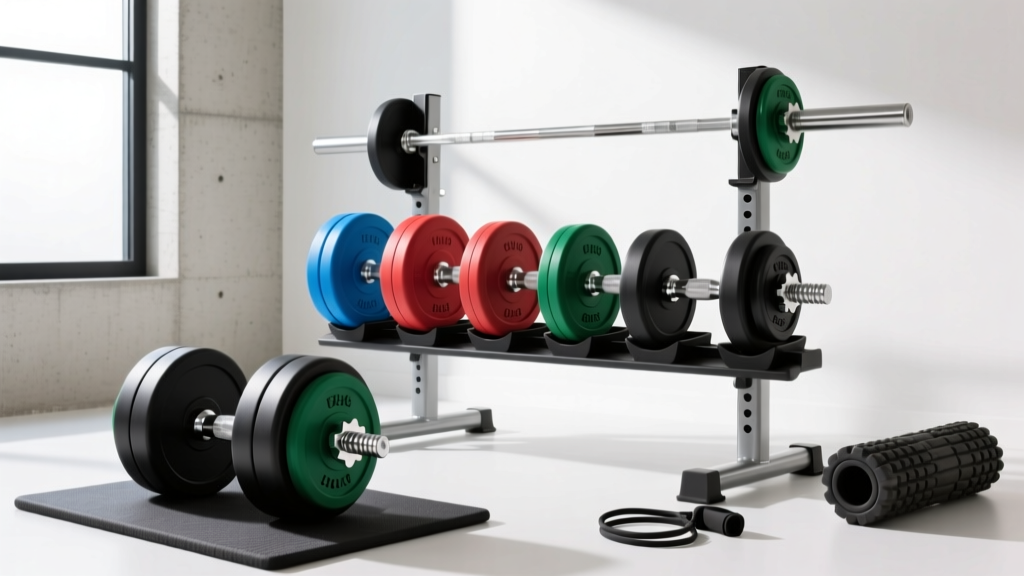
Loadable Dumbbell Layouts for an Arms Workout With Dumbbells

Alternating Dumbbell Floor Press: Top Adjustable Dumbbells 2026

Bumper vs Iron Plates: Gym Layouts & Supination with a Dumbbell

Budgeting Loadable Dumbbells for Squat Exercises With Dumbbells
