
Loadable Dumbbell Care for the Zercher Squat with Dumbbells
Learn essential maintenance tips for loadable dumbbells with interchangeable plates to ensure safety and longevity during a heavy zercher squat with dumbbells.

The Biomechanical Toll of the Zercher Squat with Dumbbells
The zercher squat with dumbbells is a brutally effective posterior chain and core builder that bypasses the need for a specialized squat rack or barbell pad. By cradling the weight in the crook of your elbows, you force your upper back, biceps, and core into intense isometric contraction. However, when you perform this movement using a loadable dumbbell with interchangeable plates, you introduce unique mechanical stresses to the equipment that standard pressing or curling movements simply do not replicate.
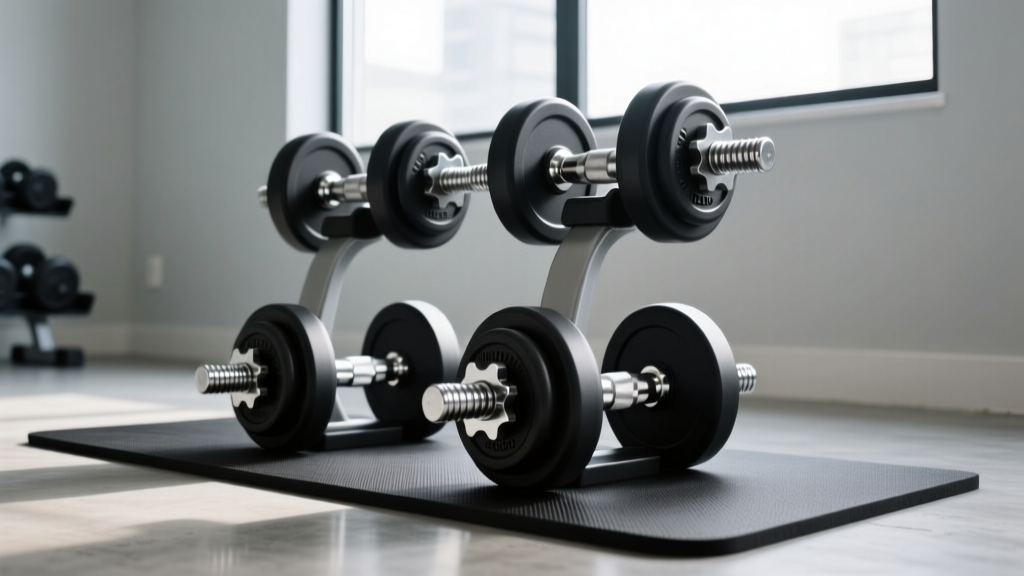
Unlike fixed rubber or urethane dumbbells, loadable dumbbell handles feature threaded shafts, removable collars, and exposed steel knurling. During a heavy zercher squat, the handle rests directly against the soft tissue of the inner elbow. As you descend into the squat, the natural flare of your elbows and the stabilization required to keep the plates from swinging create rotational torque on the handle. If the handle's knurling is packed with degraded chalk, or if the threaded collars are not properly maintained, the dumbbell can slip, shift its center of mass, or worse—the collar can vibrate loose, causing a catastrophic plate failure mid-rep.
Equipment Safety Alert: According to the National Strength and Conditioning Association (NSCA), regular inspection of free weight collars and handle integrity is a non-negotiable standard for preventing crush injuries in both commercial and home gym environments.Critical Failure Points on Loadable Handles
To maximize the longevity of your loadable dumbbells, you must understand where they are most vulnerable during the zercher squat. The primary failure points are the knurling valleys, the threaded shaft ends, and the collar threading.
1. Knurling Degradation from the 'Elbow Crook' Environment
The crook of the elbow is a high-friction, high-sweat zone. Lifters frequently apply liquid or block chalk to their forearms before heavy zercher squats to prevent the dumbbell from sliding down the arm. This chalk mixes with sweat and dead skin, creating an abrasive paste that gets deeply embedded in the knurling valleys of the handle. Over time, this paste traps moisture against the steel. If you are using carbon steel handles with a black oxide or chrome finish, this trapped moisture will initiate rust from the inside out, eventually dulling the knurl peaks and ruining your grip security.
2. Thread Stripping and Cross-Threading
When loading interchangeable plates for a heavy zercher squat, lifters often rush the process, sliding plates on at a slight angle. This forces the spinlock collar to cross-thread when screwed down. Repeated cross-threading strips the zinc or chrome coating off the handle's threads, leading to metal-on-metal grinding and eventual failure of the locking mechanism.
Step-by-Step Maintenance Routine for Loadable Dumbbells
Implementing a strict maintenance protocol will extend the life of your loadable handles by years. Follow this exact sequence after every heavy leg day involving the zercher squat with dumbbells.
- Dry Brush the Knurling: Immediately after your workout, use a stiff nylon bristle brush to aggressively scrub the knurling. Never use a brass or steel wire brush, as these are harder than the zinc or chrome coating and will strip the protective layer off the handle.
- Apply a Degreasing Solution: Spray the handle with a 50/50 mixture of white vinegar and water, or a dedicated gym equipment cleaner. Avoid bleach-based cleaners, which cause rapid oxidation and pitting in carbon steel. For a deep clean, refer to the BarBend guide on barbell and knurled steel maintenance, which highlights the importance of neutralizing acidic sweat residues.
- Wipe and Dry Completely: Use a microfiber cloth to wipe away the dissolved chalk and sweat. Ensure the handle is 100% dry before storage.
- Lubricate the Threads: Once a month, apply a thin layer of PTFE-based synthetic grease (such as Super Lube) or white lithium grease to the threaded ends of the handle. Do not use standard WD-40; it is a solvent that attracts dust and will degrade the rubber of your bumper plates if it drips.
- Inspect the Spinlock Stars: Check the internal threading of the spinlock collars for micro-fractures or stripped teeth. If the collar wobbles when fully tightened, replace it immediately.
Loadable Dumbbell Handle Specifications & Maintenance Profiles
Not all loadable dumbbell handles are created equal. The metallurgy and finish dictate how much maintenance they require, especially when subjected to the sweat and friction of the zercher squat. Below is a comparison of the top models available in 2026.
| Brand & Model | Shaft Diameter & Length | Finish & Rust Risk | Approx. Price (2026) |
|---|---|---|---|
| Rogue Loadable Dumbbell Handle | 1.9' shaft, 16.5' overall | Black Oxide / Stainless (Moderate Risk) | $95.00 |
| Titan Fitness Loadable Handle | 1.96' shaft, 20' overall | Hard Chrome (Low Risk) | $69.99 |
| Yes4All Olympic Dumbbell Handle | 2.0' shaft, 15.5' overall | Painted / Chrome (High Risk at seams) | $45.00 - $60.00 |
For the zercher squat with dumbbells, the Rogue Loadable Dumbbell Handle is often preferred due to its 1.9-inch shaft diameter, which mimics a standard Olympic barbell and feels more natural in the elbow crook than the thicker 2-inch budget handles. However, the black oxide finish requires much more vigilant oiling and cleaning than the Titan Fitness hard chrome alternative.
Securing Interchangeable Plates for Asymmetrical Loads
The zercher squat demands absolute rigidity from your equipment. Traditional spinlock collars rely on friction and thread tension to stay in place. However, the rotational torque generated when you brace your core and drive out of the hole can cause spinlock collars to slowly back off the threads, creating a dangerous rattle and shifting the plate weight outward.
Pro-Tip for Plate Security: Ditch the spinlock stars for heavy zercher squats. Instead, use heavy-duty spring collars (like the Rogue Monster Spring Collars or OSO Barbell Clamps). Spring collars grip the smooth sleeve of the handle and are entirely immune to rotational loosening. If your loadable handle does not have a sufficient smooth sleeve landing (the unthreaded portion of the shaft), you must upgrade to a handle that does to safely use spring collars.Troubleshooting Common Handle Issues
Even with meticulous care, loadable dumbbells can develop quirks. Use this troubleshooting matrix to diagnose and fix issues before they compromise your zercher squat.
| Symptom | Root Cause | Corrective Action |
|---|---|---|
| Collar won't thread smoothly | Cross-threading or chalk buildup in threads | Clean threads with a wire wheel attachment on a drill; apply PTFE grease. |
| Handle slips in elbow crook | Chalk/sweat paste filling knurl valleys | Deep clean with a nylon brush and citrus degreaser; avoid liquid chalk on forearms. |
| Plates rattle during descent | Worn spinlock stars or loose spring tension | Upgrade to heavy-duty spring collars; ensure plates are flush against the sleeve. |
| Visible rust on knurl peaks | Trapped moisture from sweat; lack of oiling | Scrub with white vinegar, dry thoroughly, and coat with 3-in-One oil overnight. |
Final Thoughts on Equipment Longevity
The zercher squat with dumbbells is an elite movement for building functional, real-world strength, but it demands respect for the equipment you use. A loadable dumbbell with interchangeable plates is only as safe as its maintenance routine. By understanding the unique biomechanical stresses placed on the handle, committing to a strict knurling and thread-cleaning protocol, and utilizing modern spring collars over outdated spinlocks, you ensure your gear survives the grind. Invest in high-quality steel, maintain it rigorously, and your loadable dumbbells will support your strength journey for decades to come.
More gear to consider
All reviews
Rubber Hex vs Urethane Dumbbells for Dumbbell Bicep Curl to Press

Power Rack vs Squat Stand: Close Grip Dumbbell Floor Press Setup

Barbell Collar and Clamp Comparison: Biceps Workouts with Dumbbells

Best Adjustable Dumbbells for Beginner Friendly Dumbbell Exercises
Best Adjustable Dumbbells for Dumbbell Delt Raises: 2026 Guide
