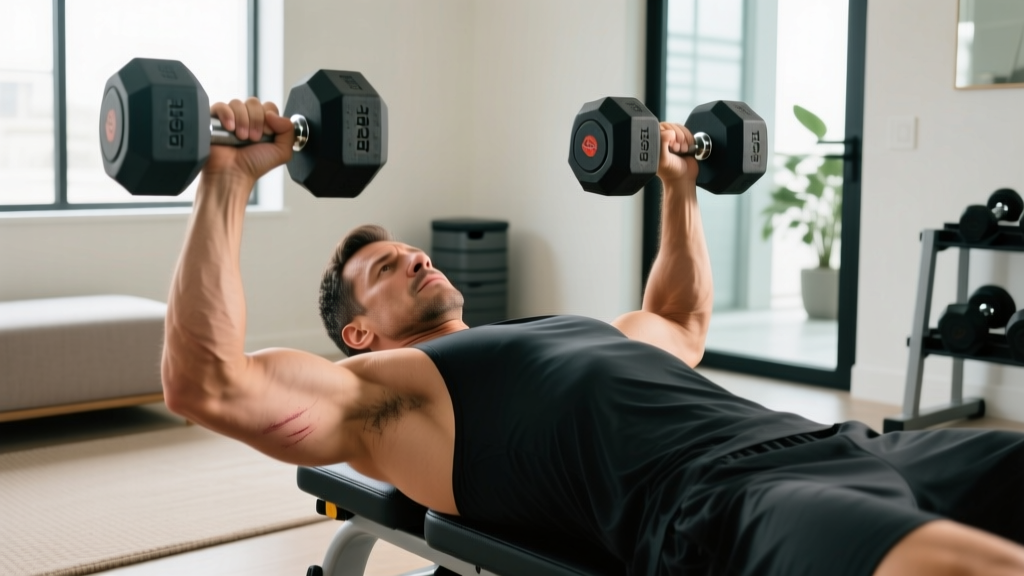
Maintaining Loadable Dumbbells for CrossFit Dumbbell Thrusters
Learn how to maintain loadable dumbbells with interchangeable plates to withstand the high-impact demands of CrossFit dumbbell thrusters and extend gear life.

The Brutal Reality of High-Impact Thrusters on Equipment
The dumbbell thruster is a cornerstone movement in functional fitness, combining a deep front-rack squat with an explosive overhead press. While barbell thrusters are famous for workouts like 'Fran', the unilateral demands of CrossFit dumbbell thrusters place unique, asymmetrical stresses on both the athlete and the equipment. When utilizing a loadable dumbbell with interchangeable plates, the mechanical forces generated during the clean into the rack position, the explosive drive out of the hole, and the inevitable drops from overhead create immense rotational torque and impact shock.
Unlike fixed-weight urethane or rubber dumbbells, loadable dumbbell handles feature moving parts: sleeves, bushings, bearings, and threaded collars. If neglected, the chalk, sweat, and repeated impact inherent to high-rep metabolic conditioning will rapidly degrade these components. As of 2026, premium loadable handles represent a significant investment, often ranging from $130 to over $200 per pair. Protecting that investment requires a meticulous, proactive maintenance protocol tailored specifically to the violent nature of Olympic plate-loaded dumbbell training.
Loadable Dumbbell Models: Specs and Vulnerabilities
Before diving into maintenance, it is crucial to understand the metallurgy and engineering of the most popular loadable dumbbells on the market. Different finishes and bushing types require specific care regimens to prevent oxidization and sleeve wobble.
| Brand & Model (2026) | Grip / Sleeve Diameter | Finish Type | Collar Mechanism | Approx. Price (Pair) |
|---|---|---|---|---|
| Rogue Loadable Handles | 1.26" / 2" Olympic | Black Oxide (Grip) / Zinc (Sleeve) | Threaded Spin-Lock w/ O-Ring | $185.00 |
| Titan T-Series Loadable | 1.2" / 2" Olympic | Chrome (Grip) / Zinc (Sleeve) | Threaded Spin-Lock | $129.99 |
| Fringe Sport Loadable | 1.2" / 2" Olympic | Hard Chrome (Grip & Sleeve) | Threaded Spin-Lock | $149.00 |
According to equipment standards outlined in the CrossFit Level 1 Training Guide, equipment must remain secure and stable throughout dynamic movements. A loose collar or a wobbling sleeve on a loadable dumbbell compromises the kinetic chain during a thruster and poses a severe safety hazard if plates shift mid-rep.
The 3-Phase Maintenance Protocol for Interchangeable Dumbbells
To keep your loadable dumbbells performing flawlessly through thousands of thruster reps, implement this three-phase maintenance schedule. This protocol specifically targets the failure modes caused by chalk accumulation, sweat-induced oxidation, and impact shock.
Phase 1: Post-WOD Chalk and Sweat Extraction (Weekly)
Magnesium carbonate (gym chalk) is highly hygroscopic, meaning it absorbs moisture from the air and your sweat. When chalk mixes with sweat in the knurling of the dumbbell handle or the threads of the spin-lock collar, it forms a concrete-like paste that accelerates rust and strips threads.
- The Tool: Use a stiff nylon bristle brush. Never use a stainless steel wire brush on black oxide or zinc finishes, as it will strip the protective coating and expose raw carbon steel to oxygen.
- The Solution: Mix a 10:1 solution of water and Simple Green, or use a 3:1 water-to-white-vinegar mix for heavy sweat buildup.
- The Process: Spray the solution lightly onto the brush (never directly onto the dumbbell to avoid liquid seeping into the sleeve bushings). Scrub the knurling in a circular motion, then wipe completely dry with a microfiber towel. Apply a light coat of 3-IN-ONE oil to the knurling to displace any remaining moisture.
Phase 2: Monthly Bushing and Sleeve Lubrication
During a thruster, the transition from the squat to the overhead press generates rotational force. If the sleeve does not spin freely, that torque transfers directly to the athlete's wrists and elbows, or causes the collar to unscrew. High-quality loadable dumbbells utilize sintered bronze bushings or needle bearings inside the sleeve.
- Remove all plates and unscrew the spin-lock collars completely.
- Wipe the exposed inner shaft and the inside of the sleeve with a dry, lint-free cloth.
- Apply 3 to 4 drops of a synthetic PTFE (Teflon) lubricant or White Lithium Grease to the inner shaft.
- Slide the sleeve back on and rotate it manually for 30 seconds to distribute the lubricant evenly across the bushing surface.
- Wipe away any excess grease from the exterior to prevent chalk adherence.
Phase 3: Quarterly Thread and Collar Audit
The Acme threads on spin-lock collars are vulnerable to 'galling'—a form of wear caused by adhesion between sliding metal surfaces. If a collar is cross-threaded even once while an athlete is fatigued, the structural integrity of the thread is permanently compromised.
Inspect the threads under bright light. Look for flattened peaks or metal shavings. If the threads are intact, apply a thin layer of anti-seize compound or marine-grade grease to the collar threads. This ensures smooth engagement and prevents the collar from seizing due to micro-rust.
Plate Selection: Mitigating Impact Damage
The longevity of your loadable dumbbell handles is inextricably linked to the type of interchangeable plates you use for thrusters. Dropping iron plates from overhead transmits severe shockwaves through the sleeve, which can crack the internal retaining rings or warp the shaft.
💡 Pro-Tip for 2026: Always use Olympic bumper plates for high-rep thrusters. However, ensure the bumper plates have a tight stainless steel hub insert. Loose hubs will 'clack' against the dumbbell sleeve during the clean phase of the thruster, rapidly wearing down the zinc finish on the sleeve and causing premature bushing failure.If you must use cast iron or steel plates for strict, low-rep strength work, ensure you are using calibrated machined plates that slide snugly onto the 2-inch sleeve, minimizing lateral play before the collar is tightened.
Troubleshooting Common Failure Modes
Even with meticulous care, heavy CrossFit usage will eventually reveal mechanical quirks. Here is how to diagnose and fix the most common issues associated with loadable dumbbells:
- Issue: Sleeve Wobble / Lateral Play.
Diagnosis: The internal bronze bushing has worn down, or the external retaining ring has loosened.
Fix: Contact the manufacturer for replacement bushings. In the interim, ensure collars are tightened securely with a specialized spanner wrench rather than just hand-tightening. - Issue: Collar Will Not Thread Smoothly.
Diagnosis: Chalk buildup in the female threads or minor cross-threading.
Fix: Soak the collar in warm water and white vinegar for 15 minutes to dissolve the chalk. Scrub with a brass thread brush. Do not force the collar onto the shaft. - Issue: Knurling Rust Spots.
Diagnosis: Sweat acidity has breached the black oxide or zinc finish.
Fix: Use a brass wire brush (safe for knurling) to remove the rust, clean with rubbing alcohol, and re-season the knurling with a light coat of mineral oil or dedicated knurling oil.
Final Thoughts on Equipment Longevity
Mastering the dumbbell thruster requires not just physical endurance, but respect for the tools of the trade. A loadable dumbbell with interchangeable plates offers unparalleled versatility and cost-efficiency for a home or affiliate gym, but it demands a higher level of stewardship than fixed-weight alternatives. By understanding the biomechanical forces at play and adhering to a strict, chemistry-aware cleaning and lubrication schedule, you can ensure your dumbbell handles survive thousands of reps, remaining safe, stable, and ready for the next WOD.
More gear to consider
All reviews
Beyond Dumbbell Only Workouts: Olympic Barbell Guide
Kettlebell Trends 2026: Beyond Gym Exercises With Dumbbells

Best Adjustable Dumbbells for the Best Upper Body Dumbbell Workout

2026 Dumbbell Rack Market: Storing Your B Stance Hip Thrust Dumbbell

Barbell Collar Comparison: Dumbbell Bench Press Conversion Mistakes