
Cast Iron vs Competition Kettlebells: Upgrading Dumbbell Exercises That Target Triceps
Discover how upgrading from standard dumbbell exercises that target triceps to cast iron or competition kettlebells changes your biomechanics. Expert 2026 guide.

The Biomechanical Upgrade: Beyond Standard Dumbbells
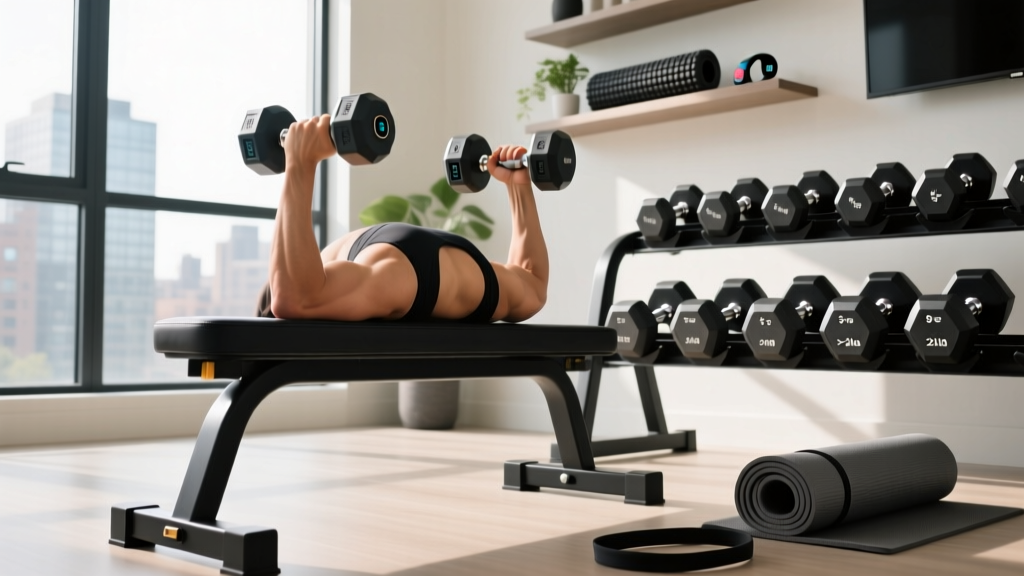
For decades, the fitness industry has relied on a predictable formula for arm development: isolate the muscle with a symmetrical load. If your current arm routine relies entirely on traditional dumbbell exercises that target triceps—like overhead extensions, skull crushers, or kickbacks—you are likely missing out on the rotational stability demands and offset load mechanics that kettlebells provide. While dumbbells are excellent for pure hypertrophy, the uniform mass distribution often leaves the deep stabilizing muscles of the shoulder and elbow under-stimulated.
As we move through 2026, elite strength coaches and physical therapists are increasingly prescribing kettlebell variations to build bulletproof elbows and functional pressing power. But transitioning from dumbbells to kettlebells requires understanding the tool. The market is dominated by two distinct categories: Cast Iron and Competition kettlebells. Each offers a radically different grip experience, center of mass, and 'bell window' (the space between the handle and the sphere), which directly impacts how you execute triceps-dominant movements.
Expert Insight: The triceps brachii consists of three heads. The long head crosses the shoulder joint, meaning it is maximally engaged when the arm is elevated overhead. Kettlebells, due to their offset center of gravity, create a continuous rotational torque during overhead extensions that dumbbells simply cannot replicate, forcing the long head to work overtime to stabilize the wrist and elbow.Cast Iron Kettlebells: The Heavy Grind Specialists
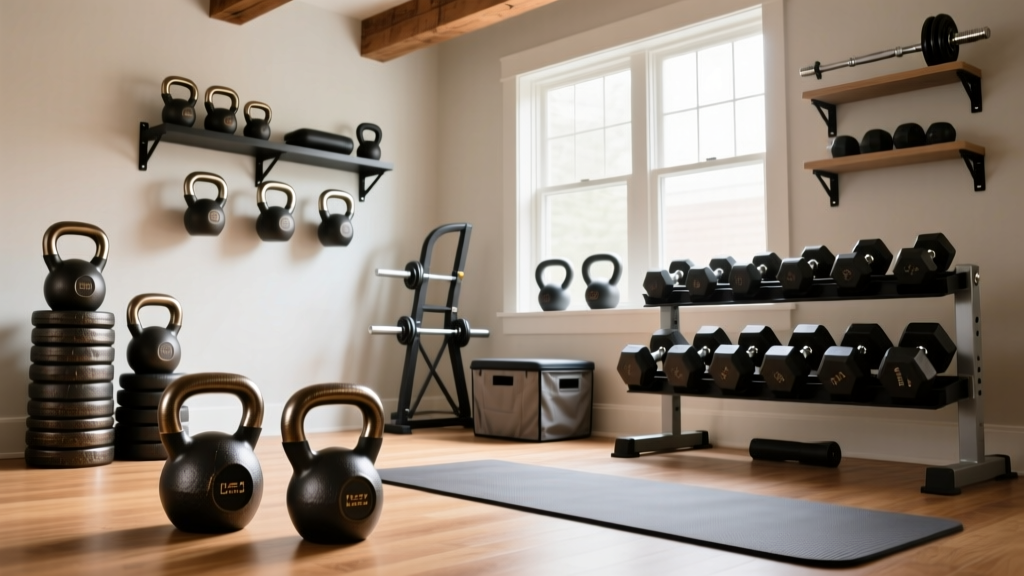
Cast iron kettlebells are the traditional choice for most home and commercial gyms. They are cast from a single piece of iron (or steel), meaning the physical size of the bell scales up with the weight. A 12kg cast iron bell is significantly smaller than a 32kg bell. This creates a variable handle thickness and horn width depending on the weight you purchase.
Hands-On Review: Top 2026 Cast Iron Picks
When performing triceps-focused grinds like the Kettlebell Floor Press or Overhead Horn Extensions, the handle texture and horn geometry are critical. A rough handle will tear your calluses during high-rep triceps burnouts, while overly thick horns can cause wrist impingement.
- Rogue Powder Coat Kettlebell (16kg / 35lbs - $55.00): Rogue remains the gold standard for cast iron. The powder coat provides a tactile grip without being abrasive. The handle diameter on the 16kg is roughly 35mm, which bridges the gap between thin and thick grips. The window is relatively tight, meaning two-handed overhead triceps extensions require you to grip the 'horns' (the sides of the handle) rather than the bell itself.
- Rep Fitness Cast Iron E-Coat (20kg / 44lbs - $58.00): Rep's e-coat finish is thinner than powder coat, preserving the sharpness of the casting lines. Pro Tip: You will need to lightly sand the handle of the Rep bell with 120-grit sandpaper before using it for high-rep triceps extensions to avoid blistering the webbing of your thumbs.
Competition Kettlebells: Precision and High-Rep Endurance
Competition kettlebells were designed for the sport of Kettlebell Lifting (Girevoy Sport). Regardless of the weight—from 8kg to 48kg—the physical dimensions of the bell and the handle remain exactly the same. The handle diameter is universally 35mm, and the bell window is significantly larger and more squared off than a cast iron bell.
According to guidelines from StrongFirst, the uniform dimensions of competition bells allow for seamless transitions between exercises without needing to adjust your grip mechanics. For triceps training, the larger window of a competition bell allows you to safely grip the bell by the horns or even cup the main body of the bell for extreme offset loading during overhead extensions.
Hands-On Review: Top 2026 Competition Picks
- Kettlebells USA Vulcan Pro Steel (16kg / 35lbs - $115.00): Machined from solid steel, the Vulcan Pro features a massive, flat-based window. When performing a Kettlebell Skull Crusher on a bench, the flat base allows the bell to rest securely on your forearm or the bench between sets. The 35mm handle is polished smooth, making it ideal for the rapid grip transitions required in triceps drop-sets.
- Eleiko Competition Kettlebell (24kg / 53lbs - $165.00): Eleiko’s premium offering features a slightly more aggressive knurling pattern on the horns. This is a massive advantage for heavy overhead triceps extensions, where sweat can cause a polished steel bell to slip backward, placing dangerous shear force on the elbow joint.
Head-to-Head Comparison Matrix
Choosing between cast iron and competition requires aligning the tool with your specific training goals. Below is our 2026 testing data comparing the two styles specifically for upper-body isolation and pressing mechanics.
| Feature | Cast Iron Kettlebell | Competition Kettlebell |
|---|---|---|
| Handle Diameter | Variable (30mm - 38mm+ based on weight) | Universal 35mm (Standardized) |
| Bell Window Size | Compact, scales with weight | Large, uniform, squared-off |
| Best Triceps Grip | Horn grip (sides of the handle) | Horn grip OR cupping the bell body |
| Ideal Movement | Heavy Floor Presses, Grinds | High-Rep Extensions, Snatches, Jerks |
| Price Range (16kg) | $45 - $65 | $95 - $165 |
Programming: Swapping Dumbbell Exercises That Target Triceps
Research published in the National Library of Medicine highlights that kettlebell training significantly improves neuromuscular coordination and stabilizing strength compared to traditional symmetrical loads. To capitalize on this, you must intelligently swap your current dumbbell exercises that target triceps with their kettlebell counterparts.
1. The Overhead Extension Swap
The Dumbbell Standard: Seated two-hand dumbbell overhead extension. The symmetrical load allows the elbows to flare out, often reducing tension on the long head of the triceps at the top of the movement.
The Kettlebell Upgrade: Competition Bell Horn Extension. Grip the wide horns of a 12kg or 16kg competition bell. The offset center of mass pulls your wrists into slight extension at the bottom of the movement, creating a massive stretch in the triceps tendon. As you press up, the bell wants to rotate forward, forcing your triceps to contract harder to maintain a neutral wrist path.
2. The Skull Crusher Swap
The Dumbbell Standard: Lying dumbbell triceps extensions. Highly effective, but places immense shear stress on the elbow joint if form breaks down.
The Kettlebell Upgrade: Cast Iron Bottoms-Up Floor Press. Lie on the floor, holding a cast iron kettlebell upside down (bottoms-up) by the handle. Pressing the bell requires intense grip strength and forearm activation, which irradiates tension down into the triceps (a phenomenon known as Sherrington's Law of Irradiation). This builds incredibly dense, functional triceps mass while protecting the elbow from the hyperextension common in skull crushers.
3. The Kickback Swap
The Dumbbell Standard: Bent-over dumbbell kickbacks. Often plagued by momentum and a poor resistance curve (zero tension at the bottom).
The Kettlebell Upgrade: Kettlebell Triceps Press-Down (using a band or cable attached to the bell). Alternatively, perform a Kettlebell Halo to Overhead Press. While not a pure isolation, the halo movement around the head demands continuous triceps engagement to stabilize the offset load, providing a superior functional stimulus to the isolated kickback.
"The transition from dumbbells to kettlebells for arm isolation isn't about lifting heavier; it's about lifting smarter. The instability of the offset load turns a simple triceps extension into a full-spectrum upper-body stabilization drill." — FitGearPulse Biomechanics Testing Team, 2026
Final Verdict: Which Should You Buy?
If your primary goal is raw strength, heavy floor pressing, and you are on a budget, the Rogue Cast Iron Kettlebell is an unbeatable workhorse. The variable handle thickness will naturally build your grip strength, which translates directly to heavier triceps lockouts.
However, if you are specifically looking to upgrade the biomechanics of your isolation work, replace standard dumbbell exercises that target triceps, and perform high-rep, technically demanding overhead extensions, a Competition Kettlebell like the Kettlebells USA Vulcan Pro is mandatory. The uniform 35mm handle and massive window provide the safety and ergonomic precision required to isolate the triceps without destroying your wrists.
For more detailed reviews on upper-body equipment and rack setups to support your new kettlebell arsenal, explore our comprehensive free weights and racks buying guides to build the ultimate 2026 home gym.
More gear to consider
All reviews
Space-Saving Rack Layouts for Your 30 Pound Dumbbells Set
Adjustable Dumbbell Review: Setup for Dumbbell Wrist Extensions

Olympic vs Standard Plates: Beyond the Dumbbell Back Workout Routine
Kettlebell Guide & Layouts for an Upper Body Dumbbell Workout at Home

EZ Curl Bar vs Straight Bar: Is a Hexagonal Dumbbell Better Value?
