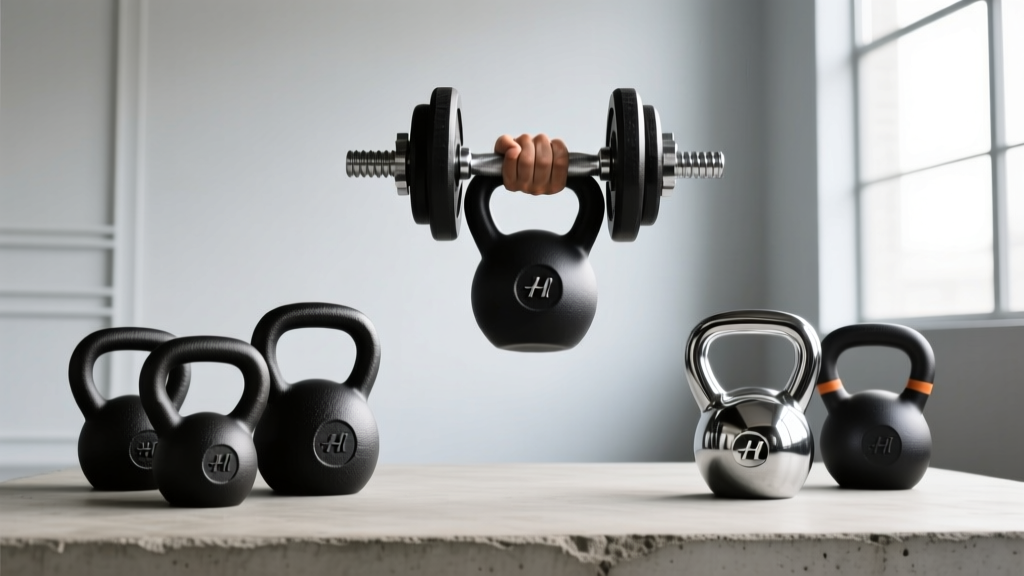
Kettlebell Value: Cast Iron vs Competition & Dumbbell Lat Raise Form
Analyze the budget breakdown of cast iron vs competition kettlebells, plus expert tips on dumbbell lat raise form to maximize your home gym value.

The 2026 Home Gym Economics: Heavy Iron vs. Precision Isolation
Building a functional home gym in 2026 requires a strategic approach to budget allocation. With freight shipping costs for heavy iron remaining a significant factor in final retail pricing, every dollar spent on free weights must be justified by long-term utility and biomechanical efficiency. This brings us to a common crossroads for strength enthusiasts: navigating the kettlebell buying guide (cast iron vs competition)
In this comprehensive value analysis, we break down the exact cost-per-pound, dimensional differences, and use-case scenarios for cast iron versus competition kettlebells. Furthermore, we reveal how mastering strict dumbbell lat raise form allows you to achieve maximum medial deltoid hypertrophy with lighter, more budget-friendly dumbbells, effectively saving you hundreds of dollars on heavy adjustable sets.
Kettlebell Buying Guide: Cast Iron vs. Competition
The kettlebell market is broadly divided into two manufacturing categories. Understanding the structural and financial differences between them is critical for maximizing your equipment ROI.
Cast Iron Kettlebells: The Budget-Friendly Workhorse
Cast iron kettlebells are poured into molds as a single, solid piece of iron. They are the undisputed champions of budget-friendly home gyms.
- Pricing Structure: Typically ranges from $1.50 to $2.50 per pound. A 16kg (35lb) bell usually costs between $55 and $85.
- Handle Geometry: Handle thickness scales with the overall weight. A 16kg bell might have a 32mm handle, while a 32kg bell could feature a 38mm handle. This requires grip adaptation as you move up in weight.
- Footprint & Dimensions: Because they are solid iron, heavier bells are physically larger. A 32kg cast iron bell will have a significantly wider base and taller profile than a 16kg bell.
- Finish Types: Powder-coat finishes (e.g., Rogue, Rep Fitness) offer the best grip and rust resistance for the price, whereas cheaper enamel or glossy finishes become slippery and chip easily.
Competition Kettlebells: The Premium Standard
Competition kettlebells are engineered for uniformity. Regardless of whether the bell is 8kg or 48kg, the physical dimensions remain exactly the same. They feature a hollow steel shell filled with a proprietary matrix of iron fragments and epoxy to achieve the target weight.
- Pricing Structure: Commands a premium of $4.00 to $6.50+ per pound. A 16kg competition bell often retails between $110 and $140.
- Handle Geometry: Universally standardized at an 85mm width and 33mm handle diameter. This ensures that your grip and rack position never change, regardless of the load.
- Footprint & Dimensions: Standardized to 210mm in height and 210mm in width. This is crucial for technical consistency in movements like the jerk and snatch.
Cost & Dimension Matrix: 16kg (35lb) Comparison
| Metric | Standard Cast Iron (16kg) | Competition Steel (16kg) |
|---|---|---|
| Average Retail Price | $65.00 | $125.00 |
| Cost Per Pound | ~$1.85 / lb | ~$3.57 / lb |
| Handle Diameter | ~32mm - 35mm (Varies) | 33mm (Standardized) |
| Bell Height | ~225mm (Varies) | 210mm (Standardized) |
| Ideal Use Case | Grinds, Swings, General Fitness | Snatches, Jerks, Sport, Technical Consistency |
Maximizing Lighter Weight Value: Dumbbell Lat Raise Form
One of the most common budget mistakes in 2026 is overspending on heavy adjustable dumbbells (like the Nuobell or Bowflex 1090s) just to perform isolation exercises. The lateral deltoid is a small, pennate muscle group that responds exceptionally well to time-under-tension and strict biomechanics, rather than sheer load.
By perfecting your dumbbell lat raise form, you can trigger maximum hypertrophy using a pair of 15lb or 20lb fixed hex dumbbells (costing under $50 total) instead of requiring 40lb+ adjustable dumbbells. According to the ExRx Dumbbell Lateral Raise Guide, the medial deltoid's primary function is shoulder abduction, which can be fully exhausted with lighter loads if momentum is eliminated.
Step-by-Step Execution for Maximum Hypertrophy
- The Scapular Plane Alignment: Do not raise the dumbbells directly out to your sides (the frontal plane). Bring your arms roughly 30 degrees forward into the scapular plane. This aligns the medial deltoid fibers optimally and prevents subacromial impingement.
- Slight Forward Hinge: Hinge at the hips by about 10 to 15 degrees. This pre-stretches the medial deltoid and removes the anterior (front) deltoid from taking over the movement.
- Lead with the Elbows: Your elbows should always be at the same height as, or slightly higher than, your wrists. Imagine you are pulling the dumbbells up by a string attached to your elbows.
- The "Pour the Pitcher" Myth: Avoid internally rotating your shoulders (pouring the pitcher) at the top of the movement. This outdated cue forces the greater tubercle of the humerus into the acromion process, leading to severe impingement over time. Keep a neutral or slightly externally rotated wrist position.
- Controlled Eccentric: Lower the weight over a strict 3-second count. The eccentric phase of the lateral raise causes significant muscle damage, a key driver of hypertrophy.
Budget Breakdown: The $450 High-ROI Starter Kit
By combining the insights from our kettlebell buying guide and isolation form mechanics, we can construct a highly effective free weight arsenal that prioritizes value without sacrificing training adaptations. As noted by the Mayo Clinic Strength Training Guidelines, consistent resistance training with proper form yields profound metabolic and muscular benefits, regardless of whether the equipment is premium or budget-tier.
Here is a real-world 2026 budget breakdown for a complete free-weight starter kit:
- 16kg (35lb) Powder-Coat Cast Iron Kettlebell: $65.00 (Ideal for goblet squats, heavy swings, and Turkish get-ups).
- 24kg (53lb) Powder-Coat Cast Iron Kettlebell: $95.00 (Ideal for double KB front squats and heavy deadlifts).
- Pair of 20lb Rubber Hex Dumbbells: $45.00 (Dedicated strictly for perfect dumbbell lat raise form, rear delt flyes, and tricep extensions).
- Pair of 35lb Rubber Hex Dumbbells: $75.00 (For floor presses, dumbbell rows, and Bulgarian split squats).
- Heavy-Duty Rubber Floor Mats (4x6ft, 3/4" thick): $120.00 (Protects your subfloor from cast iron drops).
Total Investment: $400.00 (Plus estimated local shipping/tax). This setup covers heavy ballistic hinge movements, unilateral leg work, pressing, and strict isolation, entirely bypassing the need for a $400+ adjustable dumbbell set or expensive competition steel.
Final Thoughts on Free Weight Value
When allocating your fitness budget, always separate technical necessity from marketing hype. Competition kettlebells are engineering marvels, but for 90% of home gym users, the standardized dimensions do not justify the 100% price markup over high-quality cast iron. Similarly, chasing heavy dumbbells for isolation movements is a fast track to joint injury and wasted capital. Master your biomechanics, respect the scapular plane, and let strict form do the heavy lifting for your wallet and your shoulders.
More gear to consider
All reviews
Rack Setup: Barbell Knurling & Dumbbell Shoulder External Rotation

Bumper vs Iron Plates & the Ideal Dumbbell Weight for a Woman

Dumbbell Quad Workouts: Power Rack vs Squat Rack vs Stand Mistakes

Collar & Clamp Comparison: Dumbbell Single Leg Deadlift to Row

Olympic Barbell Weight & Knurling: Scaption with Dumbbells
