
Kettlebell Care: Cast Iron vs Competition & Free Dumbbell Workout Plan
Learn how to maintain cast iron and competition kettlebells to ensure longevity, perfectly complementing any free dumbbell workout plan for home gyms.

The Great Kettlebell Divide: Cast Iron vs. Competition Steel
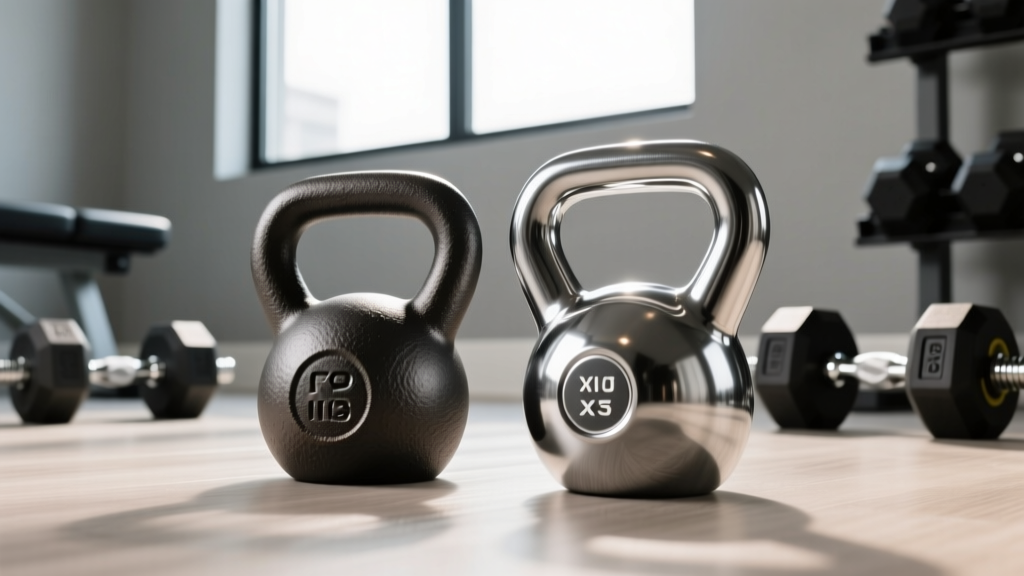
When outfitting a home gym, athletes often face a critical decision regarding their ballistic equipment: should you invest in traditional cast iron kettlebells or opt for uniform competition steel? While both serve the fundamental purpose of offset-weight training, their metallurgical compositions, manufacturing processes, and maintenance requirements are vastly different. According to equipment experts at Barbend, understanding these differences is not just a matter of training preference—it is a matter of long-term equipment survival.
Cast iron kettlebells are typically gravity-cast from a single piece of iron, resulting in a dense, compact bell where the physical size scales with the weight. They are usually finished with an e-coat, powder coat, or left bare. Competition kettlebells, on the other hand, are engineered to exact International Kettlebell Sport Federation (IKSF) standards. Regardless of whether you are lifting a 12kg or a 32kg bell, the dimensions remain identical: a 210mm height, a 210mm base width, and a strict 33mm handle diameter. Premium competition bells are forged from solid steel, while budget options utilize a hollow steel shell filled with ball bearings or steel shot to achieve the target weight.
Why Kettlebell Maintenance Matters for Your Free Dumbbell Workout Plan
You might be wondering how kettlebell care intersects with a free dumbbell workout plan. Many lifters utilize dumbbells for strict, isolated hypertrophy work but turn to kettlebells for high-repetition ballistic movements like swings, cleans, and snatches. If you are following a comprehensive free dumbbell workout plan that incorporates unilateral conditioning, your grip integrity and hand health are paramount.
A poorly maintained cast iron kettlebell with micro-rust pitting on the handle will act like 80-grit sandpaper during a 100-rep snatch test, tearing your calluses and forcing you to abandon your programming for a week. Conversely, a neglected competition bell with a chipped paint job on the 33mm handle can create friction burns during high-volume clean and jerks. Maintaining your kettlebells ensures you always have a safe, reliable tool to supplement or replace dumbbell movements when your joints need a break from the fixed, symmetrical grip of standard dumbbells.
Expert Insight: The Grip Transfer Effect
Training with a well-maintained 33mm competition kettlebell handle significantly improves your grip endurance for thick-handled dumbbells. However, if the steel handle is allowed to oxidize, the resulting friction will cause premature grip failure, negatively impacting your primary free dumbbell workout plan.
Cast Iron Kettlebell Longevity: Step-by-Step Care
Cast iron is highly susceptible to oxidation (rust), especially in humid environments like garage gyms or unclimate-controlled basements. The sweat from your hands contains water, salt, and urea—a highly corrosive cocktail for bare or chipped iron.
1. The Post-Workout Wipe Down
Never put a kettlebell away wet. After every session, use a microfiber cloth to wipe down the handle and the horns. If you train in a high-humidity area, keep a spray bottle with a 50/50 mix of water and white vinegar to neutralize the alkaline salts left behind by sweat, followed by a dry wipe.
2. Monthly Handle Re-Seasoning
Just like a cast-iron skillet, bare or lightly coated kettlebells benefit from oiling. Avoid standard WD-40, which is a solvent and will strip existing protection. Instead, use a dedicated rust inhibitor like Boeshield T-9 or 3-IN-ONE Silicone Spray. Apply a light mist to a rag and rub it into the handle. Let it sit for 10 minutes, then buff it completely dry to prevent a slippery grip during your next workout.
3. Addressing E-Coat and Powder-Coat Chips
Brands like Rogue Fitness utilize high-quality e-coats that are incredibly durable. However, dropping a cast iron bell on raw concrete will eventually chip the coating, exposing the raw iron beneath. Keep a small bottle of rust-inhibiting matte black enamel paint (like Rust-Oleum Stops Rust) in your gym. Clean the chipped area with isopropyl alcohol, apply a thin layer of paint with a Q-tip, and let it cure for 24 hours.
Competition Kettlebell Maintenance Protocols
Competition kettlebells require a completely different maintenance approach. Because they are made of steel and painted to denote weight (Yellow for 16kg, Green for 24kg, Red for 32kg), the primary concerns are paint preservation, welded seam integrity, and internal rattling.
- Protecting the Paint: The paint on competition bells is thick but brittle. When performing drops from the rack position, aim to land the bell flat on its 210mm base. Landing on the corner of the base plate concentrates the kinetic energy and will shatter the paint, leading to unsightly chips and potential rust on the steel shell.
- Inspecting the Welded Base: Most competition bells feature a TIG-welded base plate. If you are using a budget-friendly, shot-filled bell (common in weights under 12kg), a cracked weld means steel shot will leak out, ruining your flooring and unbalancing the bell. Inspect the base seam monthly for micro-fractures.
- Handle Polishing: The 33mm steel handle is designed for optimal grip rotation. Over time, chalk and dead skin can build up in the microscopic pores of the steel. Use a stiff nylon brush and warm soapy water once a month to scrub the handle, restoring the factory-smooth finish that protects your hands during high-rep sets.
Environmental Factors: Garage Gyms and Humidity
According to guidelines from ACE Fitness, proper equipment storage is just as important as active maintenance. If your home gym experiences humidity levels above 60%, both cast iron and steel competition bells are at risk. Invest in a dehumidifier for your training space, or store your kettlebells on a raised wooden or rubber rack rather than directly on a concrete slab, which wicks moisture upward through capillary action.
Troubleshooting Matrix: Failure Modes and Solutions
| Issue | Bell Type | Root Cause | Corrective Action |
|---|---|---|---|
| Handle Pitting / Rust | Cast Iron | Sweat salts + bare iron exposure | Sand with 400-grit steel wool, apply Boeshield T-9 |
| Internal Rattling | Competition (Budget) | Weld failure leaking steel shot | Drill base, empty shot, fill with epoxy resin, re-seal |
| Chipped Base Corners | Both | Dropping on concrete/asphalt | Use 3/4-inch horse stall mats; avoid corner impacts |
| Slippery Handle | Competition | Oil/chalk buildup clogging steel pores | Scrub with nylon brush and dish soap; dry thoroughly |
Restoring a Neglected Cast Iron Kettlebell
If you have acquired a used, heavily rusted cast iron kettlebell to supplement your training, do not throw it away. You can restore it to near-factory condition in an afternoon.
- Strip the Rust: Attach a wire cup brush to an angle grinder or use a manual wire brush and white vinegar to strip away all surface oxidation. Wear a respirator and safety glasses.
- Neutralize: Wipe the bell down with a baking soda and water solution to neutralize the acidic vinegar, preventing flash-rusting.
- Seal the Iron: Apply a coat of cold bluing solution (commonly used for firearms) or a high-heat engine enamel spray. This creates a permanent, rust-resistant barrier that will survive years of heavy swings and squats.
FAQ: Integrating Kettlebells into Dumbbell Programming
Can I use kettlebells for all exercises in a free dumbbell workout plan?
While many exercises overlap (e.g., goblet squats, overhead presses, lunges), the offset center of mass in a kettlebell makes it superior for ballistic hinge movements like swings and snatches. Conversely, dumbbells are generally better for strict isolation work like lateral raises or bicep curls due to their symmetrical weight distribution. Maintaining both tools ensures you have the right implement for the specific biomechanical demand of your program.
How often should I chalk my competition kettlebell?
Unlike cast iron, which benefits from a slight tackiness, the 33mm steel handle of a competition bell requires chalk for high-rep sport sets to prevent slipping. However, excessive chalk buildup creates a slick, clay-like paste when mixed with sweat. Wipe the handle with a damp cloth after every chalk-heavy session to maintain the optimal friction coefficient.
Is it worth buying solid steel competition bells over shot-filled ones?
Absolutely. If you are doing any drop-heavy movements or high-impact sport training, shot-filled bells will eventually degrade, rattle, and potentially crack. Solid steel bells (like those from Eleiko or Kettlebell Kings) cost between $150 and $250 per bell, but their structural longevity is effectively infinite, making them a one-time investment for serious lifters.
'The longevity of your fitness equipment is directly tied to the consistency of your maintenance habits. A $10 can of rust inhibitor and a microfiber cloth will extend the life of a $150 kettlebell by decades.'
Ultimately, whether you are executing heavy Turkish get-ups with a 32kg red competition bell or performing high-rep swings with a 24kg cast iron bell to cap off your free dumbbell workout plan, the metal in your hands requires respect. By implementing these targeted maintenance protocols, you protect your hands, preserve your investment, and ensure your home gym remains a safe, functional environment for years to come.
More gear to consider
All reviews
Bumper Plate vs Iron Plate Maintenance & Dumbbell Connector Care

Power Rack vs Squat Rack vs Stand: Dumbbell Total Body Setup

Barbell Collar Comparison: Securing the Three Point Dumbbell Row Setup

Dumbbell Exercises for Chest and Shoulders: Neoprene Mistakes
Beyond Functional Dumbbell Exercises: Kettlebell Budget Guide
