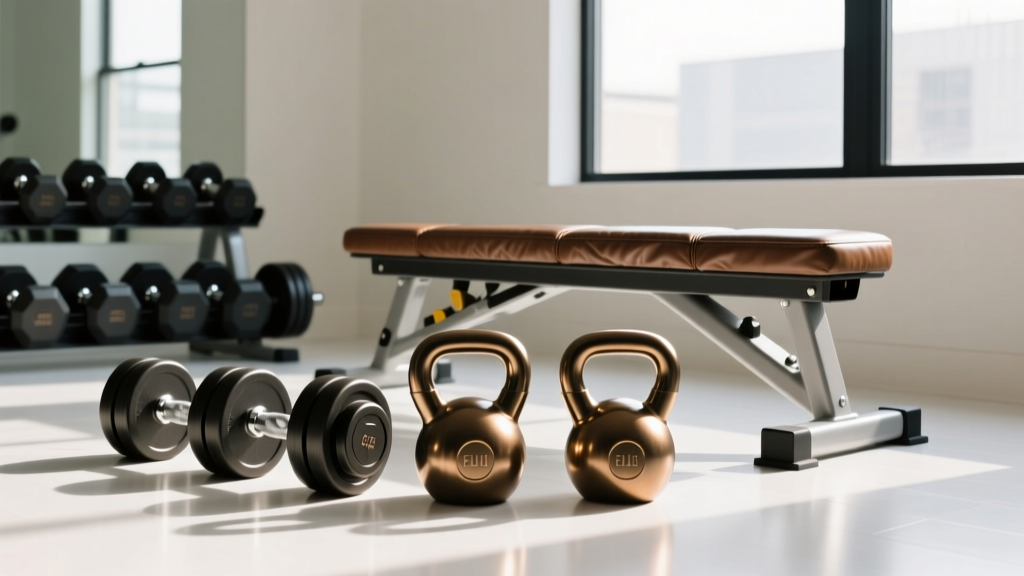
Free Weight Care: Cast Iron vs Competition Kettlebells & Back Workout with Dumbbells and Bench
Master free weight longevity with our 2026 guide on cast iron vs competition kettlebell maintenance, plus gear care for your back workout with dumbbells and bench.

The Hidden Cost of Neglected Free Weights
Building a premium home gym in 2026 requires a significant financial investment, but the true cost of free weights is measured in how long they last. Whether you are navigating a detailed kettlebell buying guide to choose between cast iron and competition models, or maintaining the structural integrity of your bench and dumbbell setup, proactive maintenance is non-negotiable. Rust, degraded knurling, and loose hardware don't just ruin the aesthetics of your gym; they alter biomechanics, compromise grip strength, and create safety hazards during heavy compound lifts.
In this comprehensive maintenance guide, we break down the metallurgical differences between cast iron and competition kettlebells from a longevity perspective. Furthermore, we will explore how to maintain the critical equipment required for a heavy back workout with dumbbells and bench, ensuring your gear performs flawlessly for decades.
Cast Iron vs. Competition Kettlebells: A Maintenance Deep Dive
When consulting a kettlebell buying guide, most lifters focus on handle diameter and bell dimensions. However, from a maintenance standpoint, the manufacturing process and coating dictate your long-term care routine. Cast iron bells are typically sand-cast and finished with either a powder coat or an e-coat (electrophoretic deposition). Competition bells are machined from steel, featuring a hollow core and a uniform 280mm x 210mm footprint regardless of weight.
| Feature | Cast Iron (Powder Coated) | Cast Iron (E-Coated) | Competition (Steel) |
|---|---|---|---|
| Coating Thickness | 2.0 - 3.5 mils | 0.5 - 1.0 mils | Painted/Urethane Base |
| Chalk Retention | Excellent (micro-pores) | Poor (slick finish) | Moderate (machined steel) |
| Rust Susceptibility | Moderate (if coating chips) | Very Low | High (handle area) |
| Primary Failure Mode | Handle pitting from trapped sweat | Coating wear on high-friction racks | Base paint chipping; handle oxidation |
Longevity Protocols for Cast Iron Bells
Cast iron is porous. Even with a powder coat, the handle area is subjected to immense friction, acidic sweat, and magnesium carbonate (chalk). Over time, the micro-pores in the powder coat trap moisture, leading to sub-surface oxidation that eventually bubbles and flakes the coating.
- Post-Workout Neutralization: Sweat has a pH of 4.0 to 6.0, which actively corrodes iron. After every session, wipe the handle with a microfiber cloth lightly dampened with a 50/50 mix of distilled water and isopropyl alcohol.
- Deep Cleaning (Monthly): Use a stiff nylon brush (never steel wire, which strips the zinc or oxide under-layer) to scrub chalk out of the powder coat pores. Follow with a light application of 3-IN-ONE multi-purpose oil, letting it sit for 10 minutes before buffing dry.
- Rust Remediation: If pitting occurs, use a brass wire brush attachment on a rotary tool at low RPM to remove the rust without destroying the surrounding powder coat. Re-seal the bare spot with a high-heat engine enamel spray.
Competition Kettlebell Care (Steel & Urethane)
Competition kettlebells, like those from Kettlebell Kings or Rogue, are precision instruments. The primary maintenance concern is preserving the uniform 33mm handle diameter and protecting the color-coded base bands. According to Garage Gym Reviews, dropping competition bells on bare concrete is the fastest way to compromise the internal welds of the hollow cavity, leading to a dangerous rattling or structural cracking.
To maintain the steel handle, avoid excessive chalk buildup. Because competition handles are machined smooth rather than cast with a rough texture, chalk acts as an abrasive paste during high-rep snatches, accelerating the wear on your calluses and the steel itself. Wipe down with a damp cloth and apply a micro-layer of boiled linseed oil once a month to maintain the steel's natural patina and prevent oxidation.
Optimizing Gear for a Back Workout with Dumbbells and Bench
While kettlebells are phenomenal for ballistic hinge movements, a hypertrophy-focused back workout with dumbbells and bench remains a staple for isolating the lats, rhomboids, and rear deltoids. Exercises like single-arm dumbbell rows, chest-supported incline rows, and dumbbell pullovers place unique stress on your bench's pivot points and the dumbbell knurling.
Bench Upholstery and Frame Integrity
During a heavy back workout with dumbbells and bench, the bench endures lateral torque and concentrated sweat exposure. The vinyl upholstery on most commercial-grade benches (such as the Rogue Adjustable Bench 3.0) is highly resistant to tearing but vulnerable to UV degradation and acidic sweat, which causes the plasticizers in the vinyl to leach out, resulting in cracking.
- Vinyl Conditioning: Every 60 days, clean the bench pad with a mild, non-bleach antibacterial wipe. Once dry, apply a UV-protectant like 303 Aerospace Protectant. This replaces the lost plasticizers and prevents the vinyl from drying out and splitting at the seams.
- Hardware Torque Checks: The vibration from dropping heavy dumbbells onto the rack hooks or floor transfers through the bench frame. Every 90 days, use a torque wrench and a 3mm or 4mm Allen key (depending on the manufacturer) to check the pivot bolts. Tighten them to the manufacturer's specification—usually between 15-20 Nm. Over-tightening will strip the threads in the 12-gauge steel tubing.
Dumbbell Knurling and Coating Preservation
When performing single-arm rows, your grip is the limiting factor. If your dumbbell knurling is clogged with dead skin, chalk, and oxidized metal dust, your grip will fail before your lats do. Furthermore, if you are using rubber-encased dumbbells, the rubber can off-gas and degrade when exposed to ozone and direct sunlight.
'The lifespan of a rubber hex dumbbell is directly tied to its environment. Storing them in a garage with high UV exposure and temperature fluctuations will cause the rubber to become brittle and flake within three to five years. Urethane is vastly superior for longevity, though it requires protection from direct concrete impacts.' — FitGearPulse Equipment Testing Lab, 2025 Report
To maintain dumbbell knurling, use a brass bristle brush after every back day. Brush in a circular motion to dislodge debris from the diamond-pattern grooves. If you are using urethane dumbbells, keep them on a rubber matting surface; dropping urethane on bare concrete will cause the outer shell to chip, exposing the inner cast iron core to immediate rust.
The Ultimate Weekly Free-Weight Maintenance Checklist
To systematize the longevity of your free weights, implement this 15-minute weekly protocol. Consistency is the difference between gear that lasts five years and gear that lasts a lifetime.
Sunday Gym Reset Protocol
- Kettlebell Handles: Brush cast iron and competition handles with a nylon brush. Wipe with an alcohol/water solution to neutralize sweat acids.
- Dumbbell Knurling: Brush out chalk and skin debris. Inspect the urethane/rubber collars for any micro-tears or separation from the steel core.
- Bench Hardware: Visually inspect the welds on the bench frame. Wipe down the vinyl pad with a dedicated leather/vinyl conditioner to maintain flexibility.
- Environment Check: Ensure the gym dehumidifier is set to maintain a relative humidity (RH) between 40% and 50%. Anything above 60% RH will cause flash rust on uncoated steel components within 24 hours.
Final Thoughts on Equipment Investment
Whether you are deciding between the rugged, chalk-friendly grip of a powder-coated cast iron kettlebell or the precision of a steel competition bell, your choice should align with your willingness to maintain it. The same principle applies to the rest of your free weight arsenal. By treating your equipment with the same respect you apply to your programming, you ensure that every back workout with dumbbells and bench, and every heavy kettlebell swing, is supported by safe, reliable, and meticulously maintained gear.
More gear to consider
All reviews
Bumper Plate vs Iron Plate Cost: Cable Fly vs Dumbbell Fly Value
Adjustable Dumbbells vs DIY Spray Paint Dumbbells: 2026 Review
EZ Curl Bar vs Straight Bar and the Incline Dumbbell Squeeze Press

Best Adjustable Dumbbells for Chest Growth: 2026 Guide

Olympic vs Standard Plates for the Seated Dumbbell Good Morning
