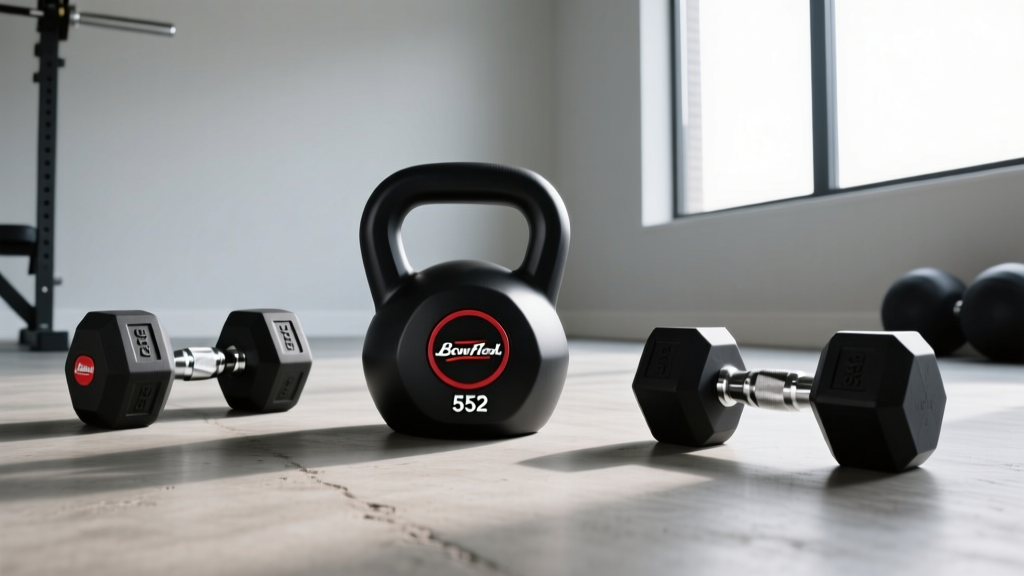
Cast Iron vs Competition Kettlebells & Bowflex Dumbbell Bench Care
Master home gym longevity. Compare cast iron vs competition kettlebell maintenance and learn essential care tips for your Bowflex dumbbell bench.

The Hidden Cost of Home Gym Degradation
Building a premium home gym is a significant capital investment, yet most lifters overlook the material science required to protect it. Whether you are swinging a 24kg bell or pressing heavy on an adjustable bench, sweat, humidity, and friction are relentless enemies of steel, iron, and polyurethane. In this comprehensive maintenance guide, we break down the longevity and care requirements of two of the most heavily abused pieces of garage gym equipment: the kettlebell (comparing traditional cast iron versus competition steel) and the mechanical adjustable bench, using the industry-standard Bowflex dumbbell bench as our primary case study for upholstery and pivot-point care.
The Kettlebell Dilemma: Cast Iron vs. Competition Steel
When navigating a kettlebell buying guide, the choice between cast iron and competition models is usually framed around handle diameter and physical dimensions. However, from a maintenance and longevity perspective, the material composition dictates your long-term care routine. According to StrongFirst kettlebell standards, the physical dimensions of a competition bell remain identical regardless of weight, a feat achieved through complex internal engineering that requires specific care.
Cast Iron: Solid, Porous, and Prone to Oxidation
Cast iron kettlebells are created via a single solid pour of molten iron into a sand mold. Because cast iron is inherently porous and contains carbon inclusions, it is highly susceptible to oxidation (rust) when exposed to the chloride and urea found in human sweat. Modern iterations, such as the Rogue Fitness cast iron lineup, often feature a powder-coat or e-coat finish to seal the pores. While this delays rust, the friction of repeated snatches and cleans will eventually wear through the coating on the handle, exposing raw iron to the elements.
Competition Steel: Hollow Cores and Polyurethane Bumpers
Competition kettlebells are constructed from a welded steel shell. To maintain uniform physical dimensions across different weights (e.g., a 12kg bell and a 32kg bell are the exact same size), the hollow core is filled with a precise mixture of sand, steel shot, and epoxy. The base is typically fitted with a polyurethane (PU) or rubber bumper ring to protect flooring and dampen noise. As of 2026, a high-quality 16kg competition kettlebell retails between $95 and $140, making the preservation of its steel handle and PU base a financial priority.
| Feature | Cast Iron Kettlebell | Competition Steel Kettlebell |
|---|---|---|
| Primary Material | Porous Cast Iron | Welded Steel Shell |
| Handle Finish | Raw, Powder-Coat, or E-Coat | Bare Steel, Zinc, or Chrome |
| Base Material | Flat Iron (often with rubber pad) | Polyurethane (PU) Bumper Ring |
| Primary Failure Mode | Handle pitting and surface rust | PU cracking and internal epoxy shifting |
| Maintenance Frequency | Weekly (Oiling) | Monthly (PU conditioning) |
Step-by-Step Cast Iron Kettlebell Restoration and Care
If your cast iron kettlebell has developed a rough, oxidized handle, do not reach for harsh chemical rust removers, which can degrade the surrounding powder coat. Instead, follow this restorative protocol:
- Mechanical Removal: Use a brass wire brush (never steel, which will gouge the softer cast iron) to gently scrub the rusted areas on the handle.
- Acid Neutralization: For severe pitting, submerge only the handle in a 50/50 white vinegar and water solution for exactly 15 minutes. Neutralize immediately with a baking soda and water paste.
- Sealing and Oiling: Once completely dry, apply a micro-thin layer of Camellia oil or 3-IN-ONE Multi-Purpose Oil to the handle. Wipe off the excess with a microfiber cloth. This fills the microscopic pores of the iron, creating a hydrophobic barrier against sweat.
Expert Warning: Never store cast iron kettlebells directly on a concrete garage floor. Concrete wicks moisture from the earth, creating a micro-climate of high humidity that will rust the flat bottom of your bell within weeks. Always use a rubber mat or a dedicated wooden storage rack.
Competition Kettlebell Care: Preserving the Polyurethane
The polyurethane bumper ring on a competition kettlebell is designed to withstand high-impact drops, but it is highly vulnerable to UV radiation and improper chemical cleaners. Ammonia-based cleaners (like standard glass cleaners) and bleach will break down the polymer chains in the PU, causing it to dry out, chalk, and eventually crack.
- Chalk Removal: Gym chalk (magnesium carbonate) traps moisture against the steel handle. After every session, use a stiff nylon brush to clear chalk from the handle and the crevices where the handle meets the bell body.
- PU Cleaning: Wipe the base ring with a damp cloth and a mild, pH-neutral dish soap. For deep conditioning, apply a specialized polyurethane protectant (similar to those used for automotive interior trim) every six months to block UV degradation if your gym receives direct sunlight.
- Internal Shifting: If you hear a rattling sound inside your competition bell, the internal epoxy matrix holding the steel shot has fractured. This is a catastrophic failure mode usually caused by dropping the bell from overhead in extreme cold temperatures, which makes the epoxy brittle. This cannot be repaired at home.
Mechanical & Upholstery Care: The Bowflex Dumbbell Bench
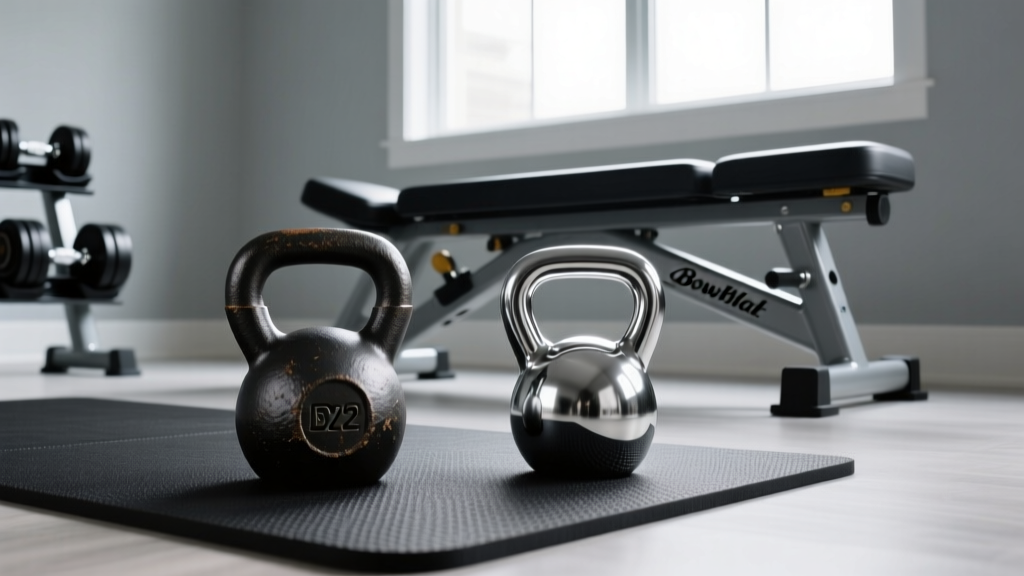
While kettlebells represent static mass, adjustable benches introduce complex mechanical pivot points and high-wear upholstery. The Bowflex dumbbell bench (specifically the popular 5.1s Stowable model, retailing around $199-$249) utilizes a dual-rail slide mechanism and a 6-position ladder adjustment system. Without proper maintenance, these mechanisms seize, and the vinyl padding degrades.
The Slide Rail and Ladder Adjustment Mechanism
The most common mistake gym owners make is spraying standard WD-40 on the squeaky pivot points and slide rails of their bench. Standard WD-40 is a solvent and water displacer, not a long-term lubricant. It attracts silica dust, pet hair, and dead skin cells, eventually forming a thick, abrasive sludge that grinds down the steel pins and plastic bushings.
The Correct Protocol:
- Wipe down the slide rails and ladder rungs with a dry cloth to remove existing grime.
- Apply a PTFE (Teflon) Dry Lubricant or a Silicone-based dry spray to the rails and pivot pins. Dry lubes evaporate their carrier solvent quickly, leaving behind a microscopic, non-stick film of PTFE that repels dust and eliminates squeaking without attracting debris.
- Perform this lubrication every 90 days, or immediately if the bench begins to emit a metallic chirp during incline presses.
Vinyl Upholstery and Sweat Corrosion
The polyurethane vinyl used on the Bowflex dumbbell bench padding is durable, but human sweat is highly corrosive. Sweat contains urea, lactic acid, and sodium chloride. When left to dry on the vinyl, the salt crystallizes and acts like microscopic sandpaper, while the acids break down the plasticizers in the vinyl, leading to premature cracking and splitting at the seams.
- Daily: Wipe the bench down immediately after use. Avoid harsh antibacterial wipes that contain high concentrations of alcohol, which strip the vinyl of its natural moisture.
- Weekly: Clean the upholstery with an enzyme-based cleaner or a 50/50 mixture of distilled water and white vinegar. This breaks down the urea and salt bonds without damaging the polyurethane topcoat.
- Annually: Apply a water-based vinyl conditioner to keep the padding supple and prevent the stitching from tearing under heavy loads.
Environmental Controls for the 2026 Garage Gym
No amount of localized oiling or PTFE lubrication will save your equipment if the ambient environment is hostile. Steel and iron begin to oxidize rapidly when relative humidity (RH) exceeds 60%.
The 55% Humidity Rule
Invest in a digital hygrometer for your workout space. If your garage or basement gym consistently reads above 55% RH, you must run a dedicated dehumidifier. For enclosed weight storage racks, placing large, rechargeable silica gel desiccant canisters near your cast iron plates and kettlebells can create a localized micro-environment that staves off flash rusting during humid summer months.
Summary Maintenance Schedule
| Equipment | Task | Frequency | Required Materials |
|---|---|---|---|
| Cast Iron Kettlebell | Handle Oiling | Weekly | Camellia Oil, Microfiber Cloth |
| Competition Kettlebell | Chalk Removal & PU Wipe | Post-Workout | Nylon Brush, pH-Neutral Soap |
| Bowflex Dumbbell Bench | Vinyl Sweat Removal | Post-Workout | Enzyme Cleaner or Vinegar Mix |
| Bowflex Dumbbell Bench | Rail & Pivot Lubrication | Every 90 Days | PTFE Dry Lubricant |
| All Iron/Steel Gear | Ambient Humidity Check | Daily | Digital Hygrometer, Dehumidifier |
By understanding the distinct material properties of your gear—from the porous nature of cast iron to the mechanical complexities of your Bowflex dumbbell bench—you transition from merely buying fitness equipment to actively preserving it. Implement these targeted maintenance protocols, and your home gym arsenal will easily outlast a decade of heavy, daily abuse.
More gear to consider
All reviews
Power Rack vs Squat Rack: Rigs for Dumbbells for Bat Wings

Setup Guide: Adjustable Dumbbells for Workouts With One Dumbbell
Ethos Rubber Hex Dumbbells vs Urethane: 2026 Market Analysis
Dumbbell Racks: Clearing Space for Rear Delt Exercises with Dumbbells

Bumper vs Iron Plates: Beyond Dick's Sporting Good Dumbbells