Incline Bench Dumbbell Trends 2026: Urethane vs Rubber Hex
Analyze 2026 market trends for your incline bench dumbbell setup. We compare rubber hex vs urethane coatings, pricing, and biomechanics.

The 2026 Market Shift: Urethane Overtakes Rubber in Home Gyms
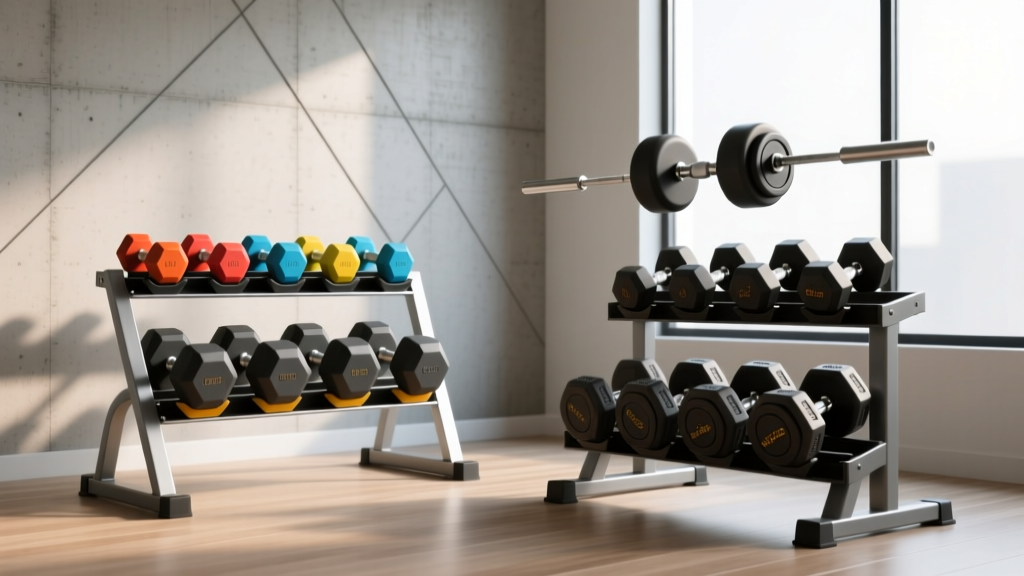
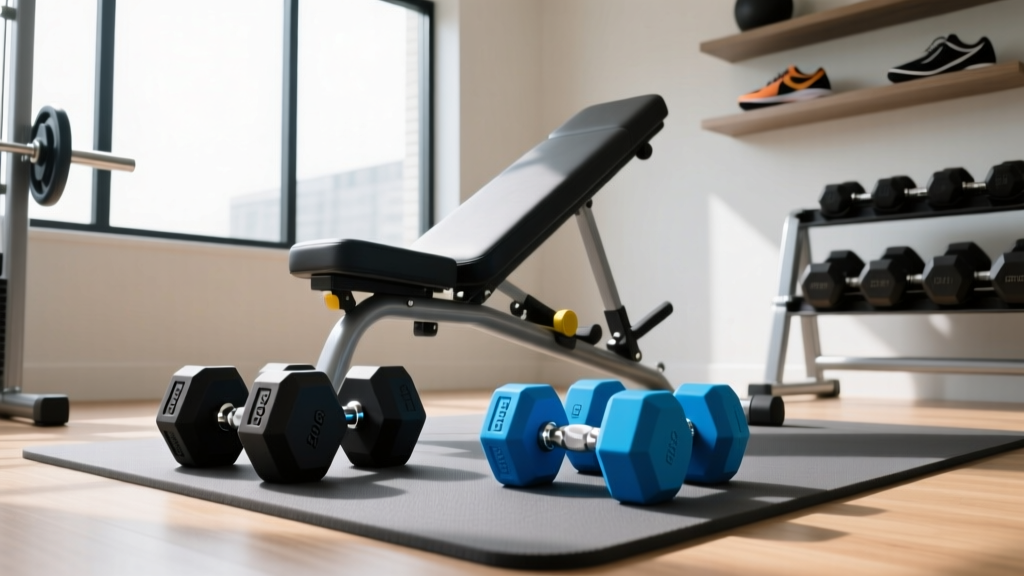
As we navigate the fitness equipment landscape in 2026, a distinct shift has occurred in the free weights sector. For years, the rubber-coated hex dumbbell was the undisputed king of the home and commercial gym floor. However, when it comes to selecting the ideal incline bench dumbbell for heavy, repetitive pressing, the market is aggressively pivoting toward urethane. This trend report and market analysis breaks down why lifters and gym owners are abandoning traditional rubber hex dumbbells in favor of premium urethane alternatives, specifically analyzing how material science impacts the biomechanics and longevity of the incline dumbbell press.
According to recent industry analyses by fitness equipment reviewers at BarBend, the price gap between virgin rubber and commercial-grade urethane has narrowed by approximately 18% since 2023 due to stabilized global supply chains and advancements in polyurethane molding. This has made urethane a viable option not just for elite commercial facilities, but for serious home gym enthusiasts who demand durability without the notorious off-gassing odors associated with recycled rubber.
Biomechanics of the Incline Bench Dumbbell Press
Why does the coating and shape of a dumbbell matter specifically for the incline bench press? Unlike flat benching or floor work, the incline dumbbell press introduces unique mechanical challenges. The American Council on Exercise (ACE) notes that setting the bench to a 30-to-45-degree angle shifts the primary load to the clavicular head of the pectoralis major and the anterior deltoids. This altered force vector means gravity is pulling the weight down and back toward your face, requiring immense grip strength and wrist stability to prevent the dumbbells from drifting backward.
Because of this, the handle knurling and the head profile of your incline bench dumbbell are critical. Traditional rubber hex dumbbells often feature straight, lightly knurled chrome handles that can become slippery during high-rep incline sets. In contrast, modern urethane dumbbells—such as those produced by Rep Fitness—frequently incorporate ergonomic, angled handles with aggressive mountain-profile knurling, drastically reducing grip fatigue during heavy incline pressing.
The 'Kick-Up' Clearance Factor
When executing the incline dumbbell kick-up, you rest the dumbbell heads on your thighs before snapping them back into position. Thick, square-edged rubber hex heads can dig painfully into the quadriceps and catch on athletic wear. Urethane dumbbells typically feature beveled, rounded, or compact multi-sided profiles that sit flush against the leg, making the kick-up phase smoother and significantly reducing the risk of bruising or torn clothing.
Material Breakdown: Rubber Hex vs. Urethane
To understand the 2026 market trends, we must look at the chemical and physical properties of both materials. Rubber hex dumbbells are typically manufactured using recycled rubber bonded to a cast iron core. While cost-effective, recycled rubber contains volatile organic compounds (VOCs) that off-gas for months, a major detriment in enclosed home gyms. Furthermore, rubber is porous; it absorbs sweat, chalk, and moisture, leading to a gradual breakdown of the adhesive bond between the rubber and the iron core.
Urethane, specifically thermoset polyurethane, is a synthetic elastomer that is completely non-porous. It boasts a Shore A durometer rating typically between 85 and 90, making it highly resistant to abrasion, UV degradation, and moisture. When you purchase a premium incline bench dumbbell set made of urethane, such as the Rogue Urethane Dumbbells, you are investing in a product that will not warp, smell, or degrade when exposed to the humidity of a garage gym over a decade of use.
2026 Cost & Durability Matrix
| Feature | Rubber Hex (e.g., CAP Barbell) | Standard Urethane (e.g., Rep Fitness) | Premium Urethane (e.g., Rogue) |
|---|---|---|---|
| Average Cost per lb (2026) | $1.29 - $1.60 | $2.80 - $3.40 | $4.20 - $5.00 |
| Odor / Off-Gassing | High (Recycled Rubber VOCs) | None / Negligible | None / Negligible |
| Handle Ergonomics | Straight, Mild Knurl | Ergo-Angled, Aggressive Knurl | Straight, Medium-Deep Knurl |
| Head Profile for Kick-Ups | Bulky, Sharp Edges | Compact, Rounded Bevels | Multi-sided, Flush Edges |
| Expected Lifespan | 3 - 5 Years (Heavy Use) | 10+ Years | Lifetime (Commercial) |
Real-World Failure Modes on the Incline Rack
When analyzing equipment for the incline bench dumbbell press, we must look at how these weights fail in real-world scenarios. The incline press often involves heavy negatives and controlled drops to the thighs or the floor beside the rack. Here are the specific failure modes associated with each material:
- Rubber Hex Peeling and Tearing: Over time, the adhesive bonding the rubber to the cast iron core degrades. When a 70lb rubber hex dumbbell is repeatedly dropped on the rubber matting beside an incline bench, the shockwave travels through the iron core, eventually causing the rubber shell to split or peel away. Once the iron is exposed, it rusts rapidly in humid environments.
- Rubber 'Clashing' at the Apex: The hex shape is designed to prevent rolling, but the thick rubber heads are notoriously bulky. During the concentric phase of the incline press, lifters who bring the dumbbells together at the top often experience the rubber heads clashing, which can destabilize the wrist and interrupt the mind-muscle connection.
- Urethane Edge Chipping: Urethane is incredibly tough, but it is not invincible. The primary failure mode for urethane dumbbells occurs when they are dropped directly onto bare concrete or thin tiles. While they will not peel, the extreme localized impact can cause micro-chipping on the outer edges. Always use minimum 3/4-inch horse stall mats or specialized drop pads when training with heavy urethane incline dumbbells.
"The transition from rubber to urethane in commercial spaces isn't just about aesthetics; it's a hygiene and maintenance imperative. Urethane's non-porous surface allows for rapid sanitization, and its structural integrity means gym owners are replacing dumbbells every 15 years instead of every 4." — 2025 Commercial Fitness Equipment Maintenance Report
Final Verdict: Which Should You Buy in 2026?
If you are outfitting a commercial facility or a high-end home gym where the incline bench press is a weekly staple, urethane is the undisputed champion in 2026. The ergonomic handles found on standard urethane sets provide the necessary grip security for steep incline angles, while the compact, beveled heads make the thigh kick-up significantly safer and more comfortable. The higher upfront cost is entirely offset by the elimination of VOC odors and the near-infinite lifespan of the polyurethane shell.
However, if you are on a strict budget and primarily use the incline bench for moderate-weight, high-rep hypertrophy work where grip fatigue is less of an issue, a virgin rubber hex set remains a viable, cost-effective entry point. Just ensure you purchase virgin rubber rather than recycled to avoid the toxic off-gassing smell, and be prepared to replace the set once the adhesive bonds begin to fail.
Frequently Asked Questions
Can I drop urethane dumbbells after a heavy incline press set?
You should never drop any dumbbell from shoulder height, regardless of the material. When finishing a heavy incline bench dumbbell press, control the weight down to your thighs, use your legs to absorb the momentum, and then place them on the floor. Dropping urethane from chest height onto a hard surface can cause the iron core to fracture the outer urethane shell.
Why do my rubber hex dumbbells smell so bad, and will it ruin my incline bench?
The smell is caused by VOCs (Volatile Organic Compounds) off-gassing from the recycled rubber and chemical adhesives used in manufacturing. While it won't structurally ruin your incline bench, the odor can permeate the upholstery and foam padding of your bench, making your workouts highly unpleasant. Wiping them down with a vinegar-water solution and leaving them in direct sunlight for 48 hours can accelerate the off-gassing process.
Are ergonomic angled handles better for the incline bench press?
Yes, for most lifters. Ergonomic handles (often found in urethane lines) place the wrist in a slightly more natural, neutral alignment. Because the incline press forces the wrists to bear a heavy, backward-angled load, the ergonomic curve reduces wrist extension strain and allows you to push more weight safely without relying solely on grip strength to keep the wrist stacked.
More gear to consider
All reviews
Dumbbell Lateral Raise Form Guide & Best Adjustable Dumbbells Reviewed

Dumbbell Tenement Definition & Gym Setup: Olympic vs Standard Plates

Pullover Dumbbell Chest Guide: Adjustable Picks 2026
EZ Curl Bar vs Straight Bar: Boosting Dumbbell Shoulder Press Weight

Loadable Dumbbell Lower Body Layouts for Small Home Gyms