
EZ Curl Bar vs Straight Bar: Maintenance & Seated Dumbbell Press Care
Compare EZ curl bar vs straight bar longevity, joint care, and equipment maintenance, plus essential seated dumbbell press bench care tips.

The Intersection of Equipment Care and Joint Preservation
When building a commercial or home gym in 2026, lifters often obsess over muscle activation while ignoring two critical forms of longevity: the lifespan of their hardware and the structural integrity of their joints. The debate between an EZ curl bar and a straight barbell is traditionally framed around bicep peak activation. However, from a sports medicine and equipment maintenance perspective, the differences are far more profound. Furthermore, a complete arm and shoulder day routine inevitably includes the seated dumbbell press—a movement that places unique mechanical stress on adjustable benches and dumbbell knurling. This guide bridges the gap between biomechanical joint care and rigorous equipment maintenance protocols.
Hardware Longevity: EZ Curl Bar vs. Straight Bar Maintenance
The physical architecture of an EZ curl bar (typically 47 to 52 inches in length with a zig-zag shaft) requires different maintenance than a standard 7-foot Olympic straight bar.
Sleeve Bushings vs. Bearings
Most high-end straight bars, like the Rogue Ohio Bar, utilize composite bushings or needle bearings in the sleeves to accommodate high-velocity Olympic lifts. EZ curl bars, designed for slow, controlled hypertrophy work, almost exclusively use basic bronze or oil-impregnated bushings. According to BarBend's comprehensive barbell maintenance guide, bushings require periodic lubrication to prevent seizing and the dreaded sleeve squeak.
- Straight Bar (Bearings): Requires synthetic bearing grease. Never use liquid oils, which can wash out factory grease and attract abrasive chalk dust.
- EZ Curl Bar (Bushings): Requires 2-3 drops of 3-in-One oil applied to the sleeve seam monthly. Avoid WD-40 at all costs; it is a solvent, not a long-term lubricant, and will degrade bronze bushings over time.
Coating, Knurling, and End Cap Degradation
As of 2026, Cerakote has become the industry standard for premium EZ bars (retailing around $295), offering immense rust resistance. However, the angled knurling zones on an EZ bar trap dead skin and chalk more aggressively than a straight bar. Additionally, while straight bars typically secure their end caps with internal snap rings or roll pins, many EZ curl bars utilize exposed hex bolts or welded caps. The vibration from dropping an EZ bar can slowly back out hex bolts, requiring a 5mm Allen key tightening quarterly to prevent the sleeve from sliding off the shaft during heavy curls.
| Feature | Olympic Straight Bar | EZ Curl Bar | Maintenance Protocol |
|---|---|---|---|
| Shaft Geometry | Linear | Zig-Zag (Multi-angle) | EZ bars require angled nylon brushing to clear knurling |
| Knurl Aggression | Moderate to Aggressive | Mild to Moderate | Clean weekly with a brass or nylon brush to prevent oxidation |
| End Cap Hardware | Snap Rings / Roll Pins | Hex Bolts / Welded | Check EZ bar hex bolts quarterly for vibration loosening |
Human Hardware: Joint Longevity and Biomechanics
Equipment maintenance is useless if the lifter's joints fail first. The primary advantage of the EZ curl bar is joint preservation. A straight bar forces the wrists into full 180-degree supination. For lifters with limited radioulnar joint mobility, this forces compensatory internal rotation at the shoulder and places severe valgus stress on the medial epicondyle, commonly known as golfer's elbow.
The EZ bar offers semi-supinated grip angles—typically 120 and 150 degrees. ExRx kinesiology resources note that accommodating natural carrying angles reduces connective tissue strain, allowing for greater longevity in heavy arm training cycles. If you are managing elbow tendinopathy or wrist impingement, the EZ bar is a non-negotiable tool for extending your lifting career without relying on pain medication or cortisone injections.
The Seated Dumbbell Press: Bench and Dumbbell Care Protocols
No shoulder day is complete without the seated dumbbell press. While the barbell debate focuses on wrist angles, the seated dumbbell press introduces massive sheer force to your adjustable utility bench and demands rigorous care for your free weights.
Adjustable Bench Pivot and Lock Maintenance
When set to a 75-to-85-degree incline for the seated dumbbell press, the bench's ladder lock and pivot hinge bear hundreds of pounds of downward and lateral force. Over time, the steel-on-steel friction wears down the locking pins, creating a dangerous slip hazard.
- Inspect the Ladder Lock: Every 90 days, check the rungs of the bench ladder (such as those on the popular Rep Fitness AB-3100) for metal shavings, micro-fractures, or deformation.
- Lubricate the Pivot Hinge: Apply a dry PTFE (Teflon) spray to the main pivot bolt. Wet lubricants will drip onto the upholstery and cause vinyl degradation and stitching rot.
- Tighten the Foot Caps: The lateral sway during heavy seated dumbbell presses loosens floor bolts. Torque all base bolts to 40 ft-lbs bi-annually to prevent frame warping.
Urethane and Hex Dumbbell Care
Dumbbells used for the seated dumbbell press are frequently picked up from the floor and dropped at the sides, leading to head detachment and urethane splitting. To maintain the knurling on bare steel or zinc-coated dumbbell handles, mix warm water with a few drops of Dawn dish soap. Use a stiff nylon brush to scrub the handles after heavy seated dumbbell press sets to remove acidic sweat and chalk, then dry immediately with a microfiber cloth to prevent flash rust.
⚠️ Pro-Tip: UV and Temperature DamageNever leave urethane dumbbells in direct sunlight or unclimate-controlled garages. UV exposure and extreme temperature fluctuations cause the polyurethane to become brittle, leading to micro-fractures along the seams that eventually peel and flake during heavy presses.
Cost of Neglect: Real-World Failure Modes
Ignoring these maintenance protocols leads to expensive and potentially dangerous failures. A seized EZ curl bar sleeve ruins the exercise's eccentric phase and costs $75+ to machine-press apart at a local metal shop. A neglected adjustable bench ladder can slip mid-press, resulting in catastrophic shoulder injury and a $400+ bench replacement. Similarly, failing to wipe down dumbbell handles after the seated dumbbell press allows acidic sweat to corrode the knurling, turning a $350 set of dumbbells into smooth, unusable iron within 18 months.
Final Thoughts on Longevity
True gym longevity requires a dual approach: protecting your connective tissue with ergonomically sound tools like the EZ curl bar, and protecting your financial investment with rigorous, scheduled maintenance. By integrating these barbell, bench, and dumbbell care protocols into your 2026 routine, you ensure that both your body and your gear survive the heaviest sets of the year.
More gear to consider
All reviews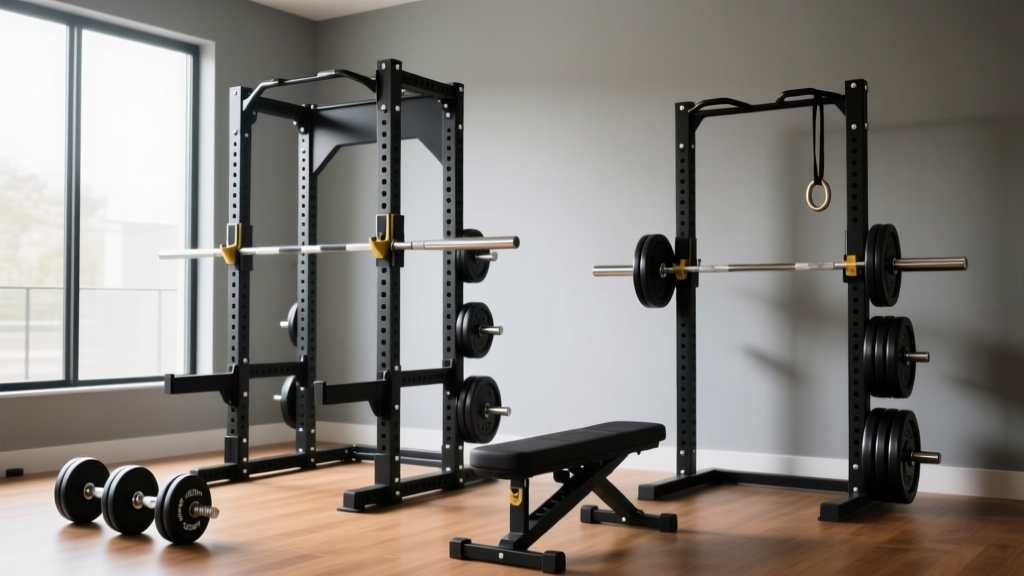
Power Rack vs Squat Rack vs Squat Stand for Dumbbell Complexes
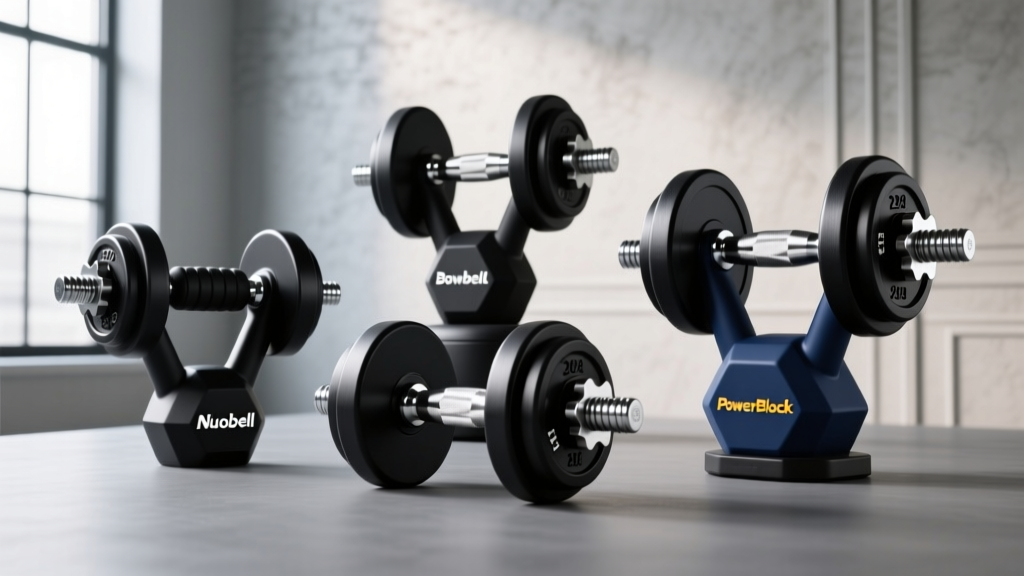
Best Adjustable Dumbbells for Dumbbell Training for Weight Loss 2026
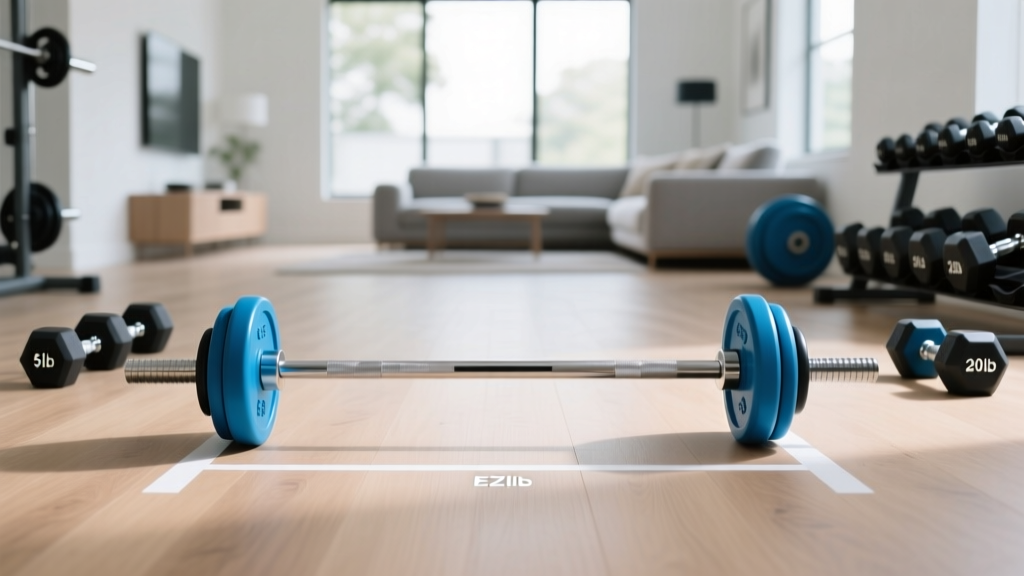
EZ vs Straight Bar Space Guide: Why Is a Dumbbell Called a Dumbbell?

EZ Curl Bar vs Straight Bar: Space Layouts & Dumbbell Exercise for Abs

Dumbbell Around the World Muscles Worked: 2026 Adjustable Dumbbell Guide
