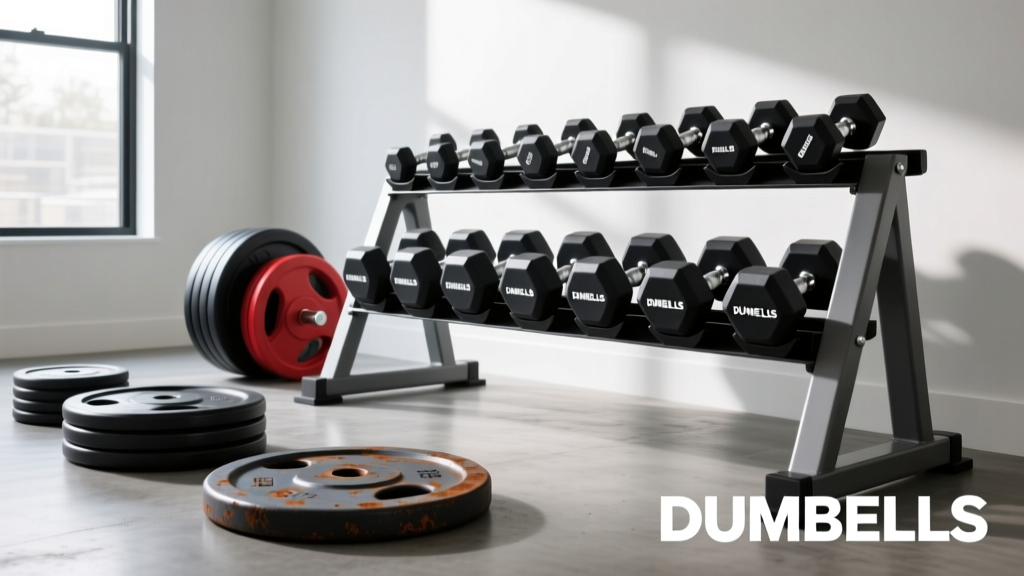
The Dumbbells Acronym & Bumper vs Iron Plate Maintenance
Decode the dumbbells acronym and master bumper plate vs iron plate maintenance. Expert tips on preventing rust, rubber rot, and hub failures.

The 'Dumbbells Acronym' and the Reality of Gym Hardware
While beginners often search for a 'dumbbells acronym' to remember lifting cues or complex workout splits (like the popular D.U.M.B.B.E.L.L.S. mnemonic for form), veteran lifters know that true gym longevity isn't about memorizing acronyms—it's about hardware maintenance. Whether you are outfitting a commercial facility or a home garage gym in 2026, the debate between bumper plates and cast iron plates goes far beyond aesthetics and drop-safety. It comes down to material science, environmental resilience, and long-term care.
Expert Insight: The most common point of failure in free weight equipment isn't the barbell sleeve—it's the plate hub and the material degradation caused by improper storage and cleaning chemicals. Treating your plates like consumables rather than lifetime assets is the fastest way to drain your wallet.In this guide, we bypass the fitness fads and dive deep into the exact maintenance protocols, failure modes, and longevity expectations for both bumper and iron plates, ensuring your investment survives decades of abuse.
Material Science: Why Bumpers and Iron Age Differently
To understand maintenance, you must understand the enemy. Bumper plates are constructed from vulcanized rubber (either virgin or recycled) with a steel or brass center hub. Their primary enemies are UV radiation, ozone, extreme temperature fluctuations, and mechanical shear. Cast iron plates, whether coated in enamel, zinc, or left bare, face a singular, relentless threat: oxidation (rust).
| Feature | Premium Bumper Plates | Cast Iron Grip Plates |
|---|---|---|
| Primary Material | Virgin/Recycled Vulcanized Rubber | Cast Iron (Zinc/Enamel coated) |
| Biggest Threat | UV dry-rot, Hub pop-out, Warping | Humidity, Enamel spalling, Rust |
| Avg. Cost (260lb Set) | $330 - $650 | $450 - $700 |
| Expected Lifespan | 5-15 Years (Use dependent) | 50+ Years (Generational) |
| Maintenance Freq. | Quarterly Cleaning | Monthly Rust Inspections |
Bumper Plate Longevity: Preventing Rubber Rot and Hub Failure
Not all bumpers are created equal. According to Eleiko's official care guidelines, premium virgin rubber plates resist environmental stress cracking far better than recycled 'crumb' rubber plates. However, even a $700 set of competition bumpers will degrade if subjected to improper care.
The 3 Rules of Bumper Storage
- Never Store Vertically on the Edge: Leaving a 45lb bumper plate leaning against a wall or resting on its edge for months causes 'pancaking'—a permanent deformation where the rubber sags, making the plate wobble when rolled and altering its calibrated diameter.
- Use a Vertical Plate Tree or Flat Stack: Always store bumpers flat on the ground or hung vertically by their center hub on a dedicated plate tree.
- Climate Control Matters: Garage gyms in high-humidity or extreme-heat environments accelerate the off-gassing and drying of recycled rubber. If your gym hits 100°F+ in the summer, expect cheap bumpers to crack within 3 years.
Step-by-Step Bumper Cleaning Protocol
Using harsh degreasers like bleach or ammonia will strip the natural oils from the rubber, leading to the dreaded 'white ring' oxidation and premature dry-rot. As noted by strength equipment experts at BarBend, mild soap is all you need.
- Step 1: Mix warm water with a few drops of mild dish soap (like Dawn) in a spray bottle.
- Step 2: Lightly mist the plate and wipe with a microfiber cloth. Never soak the plate or spray directly into the steel hub gap.
- Step 3: For scuff marks, use a melamine sponge (Magic Eraser) with gentle pressure.
- Step 4: Dry immediately with a clean towel to prevent moisture from seeping into the center insert.
In budget bumper plates, the steel center insert is often pressed directly into the rubber without a flanged lip. Repeated drops from overhead (like Olympic snatches) create shear force that eventually pushes the metal hub entirely through the rubber. If you notice the hub sitting slightly proud of the rubber surface, apply a two-part marine epoxy around the inner seam immediately to halt the migration.
Cast Iron & Machined Steel: Fighting Oxidation and Enamel Chips
Cast iron plates, such as the classic Rogue Cast Iron Grip Plates, are virtually indestructible regarding structural integrity. You can drop them, run them over with a truck, and leave them in the rain—they will still weigh exactly 45 pounds. The issue is surface degradation and rust transfer to your barbell sleeves and flooring.
Understanding Iron Plate Coatings
- Enamel/Painted Iron: Prone to chipping and spalling when plates clang together. Once the bare iron is exposed, flash rust begins within 48 hours in humid conditions.
- Zinc-Plated Iron: Offers sacrificial protection. The zinc oxidizes to a dull, chalky gray, protecting the iron beneath. Do not wire-brush zinc plates aggressively, or you will strip the protective layer.
- Urethane-Coated Iron: The gold standard for commercial gyms. Urethane is highly resistant to UV, impact, and moisture, requiring almost zero maintenance beyond dusting.
The 15-Minute Monthly Rust Prevention Routine
For bare or chipped cast iron plates in a non-climate-controlled garage gym, a proactive monthly routine is mandatory.
- Inspect & Brush: Use a brass-bristle brush (never steel, which leaves particles that rust) to gently remove any surface oxidation or chalk dust trapped in the plate ridges.
- Degrease: Wipe down with a rag dampened with isopropyl alcohol to remove skin oils and chalk binders.
- Protect: Apply a micro-thin layer of Boeshield T-9 or 3-IN-ONE Silicone Spray. Avoid standard WD-40, as it is a solvent that evaporates quickly and leaves no lasting protective film. Wipe off all excess oil to prevent it from dripping onto your rubber flooring or barbell knurling.
"Iron plates are a generational investment. A set of York or Rogue cast iron plates bought today will outlive the lifter, provided the rust is managed. The cost per year of ownership drops to pennies over a 40-year lifespan."
Troubleshooting Common Plate Failures
When hardware acts up, diagnosing the root cause quickly prevents cascading damage to your barbells and racks.
| Symptom | Root Cause | The Fix |
|---|---|---|
| Bumper plate wobbles when rolled | Stored on edge; rubber deformed | Lay flat in direct (but mild) sunlight for 2 hours to let heat reshape the rubber. Store flat thereafter. |
| Strong chemical/tire odor | Recycled rubber off-gassing | Scrub with water/vinegar mix, leave in a shaded, well-ventilated area for 7 days. Avoid direct UV. |
| Red dust on barbell sleeves | Iron plate inner ring rusting | Sand the inner bore with 400-grit sandpaper, wipe clean, and coat the inner ring with clear nail polish or rust-converter paint. |
| Rattling sound inside bumper | Internal steel hub weld failure | The plate is structurally compromised and unsafe for drops. Retire to static loading (e.g., leg press or machine pin). |
Final Verdict: Which Lasts Longer?
If your goal is pure, unadulterated longevity with minimal maintenance, urethane-coated cast iron plates are the undisputed champions of the free weight room. They will not warp, they will not dry-rot, and they will not smell. However, for Olympic weightlifting, CrossFit, and home gyms with noise/vibration restrictions, premium virgin rubber bumper plates are mandatory. By respecting the material limits—keeping bumpers flat, out of the sun, and away from harsh chemicals—your plates will easily survive a decade or more of heavy loading.
Forget the internet acronyms; master your maintenance, and your iron and rubber will reward you with a lifetime of lifts.
More gear to consider
All reviews
Best Loadable Dumbbells CrossFit Athletes Use for Small Spaces
EZ vs Straight Bar Care & Dumbbell Front Squat Muscles Worked Guide
EZ Curl Bar vs Straight Bar & Wings Workout with Dumbbells

Power Rack vs Squat Rack vs Stand: Setup for Dumbbell Deadlifts
Organizing Your Dumbbell Curl Weight Collection: Storage & Layout
